
Why Pale Patches Appear on Dark Towels and What They Really Mean
The Mystery Behind Faded Spots
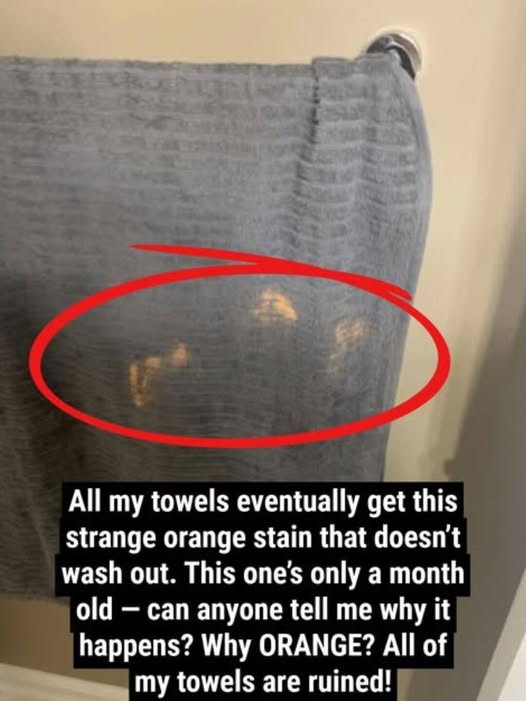
Pale orange, yellow, or pink patches on dark towels can appear suddenly and without warning. Many people initially assume these marks are caused by stains, detergent residue, or even poor washing habits.
However, these lightened areas are not traditional stains. They are the result of a chemical reaction that alters the fabric itself.
The real cause is often linked to a common skincare ingredient found in many acne treatments.
The Role of Benzoyl Peroxide
Benzoyl peroxide is widely used in face washes, spot treatments, and prescription creams designed to combat acne. On the skin, it works by targeting bacteria and reducing breakouts.
While effective for skincare, this ingredient behaves very differently when it comes into contact with fabric. Instead of leaving a visible residue, it acts as a bleaching agent.
This reaction removes color from the material, creating lighter patches that stand out against darker fabrics.
Why the Marks Look Different from Stains
Unlike typical stains, which add color or residue to fabric, these patches appear lighter than the surrounding material. This is because the original dye has been stripped away.
The effect can resemble diluted bleach marks, though it often occurs gradually and without immediate notice.
Because the damage is chemical rather than surface-level, it cannot be reversed through standard cleaning methods.
Why Washing Cannot Fix the Problem
Once benzoyl peroxide has altered the fabric, the change is permanent. Detergents, stain removers, and even high-temperature washes cannot restore the lost color.
The fibers themselves have undergone oxidation, meaning the pigment has been removed rather than covered or masked.
This is why repeated washing has no effect on the faded areas, no matter how thorough the cleaning process may be.
The Risk of Spreading Damage
Residue left on one towel can transfer during washing, potentially affecting other items in the same load. This can turn a small, isolated patch into a larger problem.
Over time, multiple fabrics may show similar fading, especially if they are frequently washed together.
This chain reaction makes it important to recognize the cause early and adjust laundry habits accordingly.
Distinguishing from Other Causes
Some discoloration in bathrooms may resemble these patches but have different origins. Rust stains or certain types of bacteria can also create pink or orange marks on fabric.
Unlike benzoyl peroxide damage, these marks can typically be removed with cleaning and scrubbing.
The key difference is permanence. If the color does not return after washing, the damage is likely due to chemical bleaching rather than a removable stain.
Preventing Future Damage
Preventing these marks requires simple but effective adjustments. Using white towels for skincare routines is one of the most reliable solutions.
Thoroughly rinsing the skin after applying acne treatments can also reduce the amount of residue transferred to fabrics.
Another option is choosing gentler skincare formulas that do not contain bleaching agents.
Adapting Everyday Habits
Small changes in daily routines can significantly reduce the risk of fabric damage. Allowing skincare products to fully absorb before using towels can help minimize contact.
Separating towels used for skincare from other laundry items adds an extra layer of protection.
These steps can prevent accidental spreading and preserve the appearance of household fabrics.
Giving Damaged Towels a Second Life
Although the discoloration cannot be reversed, affected towels do not have to be discarded. They can still serve useful purposes in everyday life.
Many people repurpose them as cleaning cloths, gym towels, or for other practical uses where appearance is less important.
This approach extends the life of the fabric while reducing waste.
A Subtle but Lasting Impact
The presence of these faded patches highlights how a small amount of a chemical can have a lasting effect. What begins as part of a skincare routine can quietly alter household items over time.
Understanding the cause allows for better prevention and more informed choices in both skincare and fabric care.
With simple adjustments, it is possible to protect fabrics while continuing to maintain an effective skincare routine.