
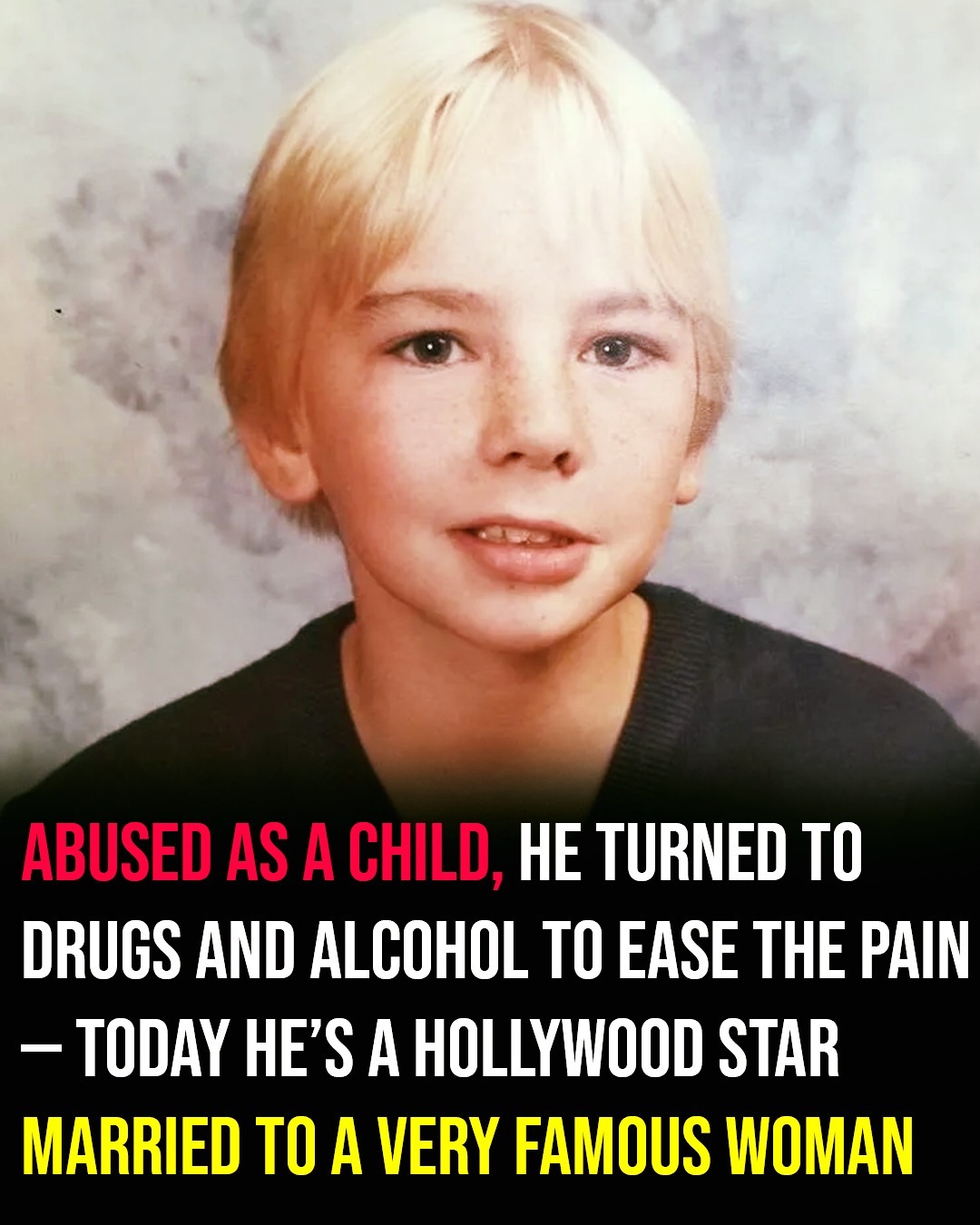
Dax Shepard’s Journey from Addiction and Shame to Long-Term Recovery and Public Honesty
A Childhood Marked by Identity and Inner Conflict
Born in Michigan and named after a fictional playboy, Dax Shepard grew up carrying a sense of discomfort tied to identity long before adulthood shaped his public life. The weight of a name chosen for its fictional associations created an early awareness of difference, something that followed him into formative years.
Alongside this, experiences of abuse created emotional strain that became deeply embedded in his sense of self. Instead of feeling protected by stability, he developed an internal belief that something about him was fundamentally damaged. This perception shaped how he interpreted challenges and relationships during his youth.
The combination of early trauma and confusion around identity contributed to a growing sense of shame. Rather than being isolated events, these feelings accumulated and became part of how he understood the world around him.
Shame, Self-Perception, and the Path Toward Addiction
As he moved into adolescence and early adulthood, the unresolved emotional weight began to influence behavior. A belief formed that the abuse he had experienced meant he was somehow broken beyond repair, and that belief carried consequences in how he coped with life.
Addiction became a central part of that coping process. Alcohol, cocaine, and pills were all part of a downward spiral that developed gradually but persistently. Substance use was not isolated experimentation but an increasingly entrenched pattern tied to emotional avoidance.
In this period, addiction felt less like a choice and more like an expected outcome of internal turmoil. The sense of inevitability reinforced cycles that became harder to break as time went on.
The Influence of Family Work Ethic and Early Creative Pathways
Despite personal struggles, external influences still shaped direction. His mother’s strong work ethic served as a stabilizing force, offering a model of persistence and responsibility even when internal struggles felt overwhelming.
Alongside this influence, natural comedic ability began to surface. Humor and performance became early outlets, offering temporary relief from internal pressure and creating moments of connection that contrasted with isolation.
Improvisation and comedy environments provided structure and creative freedom at the same time. These spaces became important stepping stones that redirected attention away from destructive cycles and toward performance-based expression.
Breaking Into Comedy and Hollywood
Gradually, involvement in comedy and improvisational work expanded into professional opportunities. These early steps into entertainment allowed talent to be recognized in structured settings, opening doors that previously seemed distant.
Work in projects such as Punk’d marked a significant transition into mainstream visibility. Studio comedies followed, building momentum and increasing recognition within the entertainment industry.
Each role contributed to a growing public presence, while behind the scenes personal challenges continued. The contrast between external success and internal struggle remained a defining tension during this period.
A Small Role That Changed Personal Direction
A minor role in When in Rome became unexpectedly significant, not only professionally but personally. This moment created a connection that would alter the trajectory of his personal life in a profound way.
It was through this experience that Kristen Bell entered his life, marking the beginning of a relationship that would become central to his future stability and emotional development.
The connection formed during this time did not immediately resolve underlying struggles, but it introduced a new dynamic built on honesty, accountability, and shared awareness of personal challenges.
Love Built on Honesty Rather Than Resolution
The relationship that developed was not framed as a solution to addiction or emotional history. Instead, it required direct honesty about ongoing struggles and personal limitations.
This foundation meant that challenges were not hidden or minimized. Transparency became a defining feature of the relationship, shaping how both individuals navigated difficulties together.
Rather than relying on idealized stability, the connection demanded acknowledgment of reality, including setbacks and recovery efforts.
Sobriety, Relapse, and Long-Term Recovery
A significant milestone in recovery came with sustained sobriety that lasted for many years. This period represented stability and ongoing commitment to change, supported by structure and accountability.
After 16 years of sobriety, a relapse occurred, marking a difficult but pivotal moment in the recovery journey. Rather than being hidden, the experience became part of an open and ongoing conversation about addiction.
Following this relapse, the decision to remain transparent shaped the next phase of recovery. Honesty was maintained in both personal and public spaces, reinforcing accountability as a continuous process rather than a final achievement.
Public Honesty and the Role of Communication
Openness about addiction extended into public platforms, including podcasts and discussions within recovery communities. Speaking openly about challenges became part of maintaining stability and supporting long-term recovery.
Participation in recovery groups such as AA continued to play a consistent role, providing structure and ongoing support. Regular attendance twice a week became part of maintaining balance and grounding.
These practices reflected a broader approach to recovery that emphasized repetition, honesty, and community involvement as essential components of sustained change.
Family, Fatherhood, and Responsibility
Parenting introduced another layer of responsibility and reflection. As a father, the focus shifted toward creating stability and emotional safety for children while continuing personal recovery work.
Honesty with family became an important principle, including clear communication about addiction history and ongoing participation in recovery meetings. This transparency was intended to remove secrecy and replace it with understanding appropriate to age and context.
Protecting family life also became a priority, particularly in relation to public attention. Maintaining privacy for children remained an important aspect of balancing public visibility with personal boundaries.
Creative Work and Personal Expression
Beyond recovery and family life, creative projects continued to play a significant role. Hosting and participating in podcast conversations became an outlet for reflection and dialogue, allowing exploration of personal experiences in a structured format.
This work included discussions on growth, failure, recovery, and identity. It also provided space for engaging with broader topics while remaining grounded in personal authenticity.
Racing cars became another form of structured challenge, offering focus, discipline, and controlled risk within a defined environment. These pursuits contributed to a balanced lifestyle that extended beyond entertainment industry expectations.
Privacy, Identity, and Public Life
As public recognition increased, managing privacy became increasingly important. Protecting personal boundaries, especially in relation to children, became a consistent priority.
The balance between public career and private life required ongoing attention. Visibility brought opportunity, but also created pressure to maintain control over personal information.
This balance reflected a broader theme in his life: the need to maintain authenticity while navigating external expectations.
Recovery as an Ongoing Process
The long-term journey of recovery is defined not by a single moment of change but by continuous effort. Sobriety, relapse, honesty, and accountability all form part of an ongoing structure rather than a completed milestone.
Daily choices, regular meetings, and sustained communication contribute to maintaining stability. Recovery is framed as active participation rather than passive achievement.
This perspective reinforces the idea that long-term change requires persistence, especially when past patterns remain part of personal history.
A Life Rebuilt Through Transparency and Persistence
Over time, the combination of creative work, recovery practices, family commitment, and open communication has shaped a life that continues to evolve. Challenges remain part of the story, but they are addressed through structure and honesty rather than avoidance.
The journey reflects a shift from secrecy and shame toward openness and responsibility. Each stage of life has contributed to a broader understanding of resilience and personal growth.
What emerges is a life defined not by perfection, but by continuous rebuilding, where honesty and persistence remain central to moving forward in full view of the world.