
Living Liver Donation: The Life-Saving Procedure That Blends Medical Innovation With Family Devotion
Within the evolving world of modern medicine, few procedures reflect the depth of human commitment quite like living liver donation. It is a rare moment where advanced surgical science intersects with deeply personal sacrifice, as a healthy individual willingly undergoes major surgery to give another person a second chance at life.
For many families, this procedure represents more than a medical intervention. It becomes a turning point that shifts the narrative from uncertainty and fear to renewed hope, offering time that once seemed out of reach.
As transplant programs continue to advance across the nation, living liver donation has emerged as a critical lifeline for patients facing severe liver disease, particularly in a healthcare landscape where demand for deceased donor organs continues to exceed availability.
The Unique Regenerative Power of the Liver
The liver stands apart from other human organs due to its remarkable ability to regenerate. This biological feature makes living donation medically possible, allowing surgeons to transplant a portion of a healthy liver into a recipient while both donor and recipient eventually regain near-normal liver size and function.
In most living liver donation procedures, surgeons remove between 40 and 60 percent of the donor’s liver. Once transplanted, both the remaining liver in the donor and the transplanted segment in the recipient begin a natural regeneration process.
Within a matter of months, this regenerative capacity enables both individuals to recover functional liver volume. This extraordinary healing process is a cornerstone of modern transplant medicine and a key reason living donation has become a viable and life-saving option.
A Lifeline Amid Organ Shortage Challenges
The national waiting list for liver transplants remains extensive, with many patients facing critical time constraints as their conditions progress. Living liver donation helps bridge this gap by providing a timely alternative to waiting for a deceased donor organ.
For individuals in advanced stages of liver failure, the availability of a compatible living donor can dramatically alter survival prospects. Instead of waiting months or years, a planned transplant offers a faster and often more controlled pathway to treatment.
This approach not only reduces waiting time but also allows transplant teams to carefully prepare both donor and recipient, improving coordination and surgical outcomes.
The Emotional Journey Behind Every Donation
Beyond clinical procedures and surgical precision, living liver donation is deeply rooted in personal stories. In many cases, donors are close family members who witness the gradual decline of a loved one’s health and choose to act.
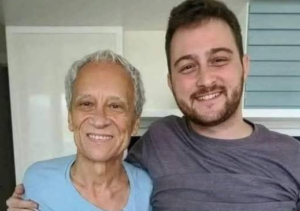
A common scenario involves an adult child stepping forward to donate to a parent whose liver disease has reached a life-threatening stage. The decision is rarely made lightly and often follows extensive discussions with medical professionals and family members.
The evaluation process itself is thorough and emotionally intense. Potential donors undergo comprehensive medical testing, psychological assessments, and anatomical evaluations to confirm compatibility and readiness.
When a donor is ultimately approved as a match, families often experience a surge of relief and cautious optimism, marking the beginning of a carefully planned medical journey.
Inside the Complexity of the Surgical Procedure
The day of a living liver transplant is defined by precision and coordination. Typically, two surgical teams operate simultaneously in separate operating rooms to ensure the procedure proceeds efficiently.
One team focuses on removing the designated liver segment from the donor, while the second team prepares the recipient to receive the transplant. Timing is critical, as minimizing the period the organ remains outside the body improves transplant success.
The surgery itself is highly specialized and requires advanced surgical expertise. Every stage is closely monitored to ensure both donor safety and optimal graft function for the recipient.
Immediate Recovery and Early Outcomes
Following surgery, both donor and recipient enter a closely supervised recovery phase. For recipients, the early signs of improvement can be profound, including improved skin tone, increased energy, and stabilization of vital functions.
Donors, meanwhile, begin their own recovery journey, which often involves a hospital stay of about a week followed by gradual healing at home. Despite the physical strain of surgery, many donors report a strong sense of purpose and emotional fulfillment.
Family support plays a crucial role during this stage, with loved ones often rallying to assist with daily tasks, emotional encouragement, and long-term recovery needs.
The Reality of Donor Recovery
While the long-term benefits of living liver donation are significant, recovery is not without challenges. The body requires time to heal after major abdominal surgery, and the regeneration process demands considerable energy.
In the initial days after surgery, donors undergo intensive monitoring as medical teams track liver function and overall stability. Fatigue, temporary weakness, and reduced stamina are common during the early stages of recovery.
Even individuals who were highly active before surgery may find routine activities more demanding during the healing process. Gradual rehabilitation and patience are essential components of full recovery.
Medical Risks and Transparent Evaluation
Medical professionals emphasize that living liver donation, like any major surgical procedure, carries inherent risks. These can include infection, fluid accumulation, or temporary changes in liver function that require medical attention.
In rare cases, more serious complications may arise, necessitating extended care or specialized treatment. For families, this reality can create a complex emotional balance between gratitude for the life-saving outcome and concern for the donor’s well-being.
This is why transplant programs prioritize transparency throughout the evaluation process. Potential donors are fully informed of the benefits, risks, and recovery expectations before making a final decision.
| Evaluation Stage | Purpose |
| Medical Screening | Assess overall health and organ function |
| Psychological Assessment | Confirm emotional readiness for donation |
| Compatibility Testing | Ensure anatomical and biological suitability |
| Pre-Surgical Planning | Coordinate surgical teams and recovery protocols |
Long-Term Impact on Family Relationships
Living liver donation often reshapes family dynamics in lasting ways. Recipients frequently develop a renewed appreciation for life and for the individual who made their recovery possible.
Donors, in turn, experience a unique sense of fulfillment, knowing their decision directly extended a loved one’s life and future milestones. This shared experience can strengthen emotional bonds and create a legacy of compassion within the family.
Support systems frequently expand beyond immediate relatives, with friends, neighbors, and community members offering assistance during recovery. This collective effort highlights the broader social impact of a single medical decision.
Advancements in Modern Transplant Medicine
Medical technology continues to enhance the safety and effectiveness of living liver transplants. Improved surgical techniques, refined donor selection protocols, and advanced post-operative care have contributed to better outcomes over time.
Modern transplant programs also provide long-term follow-up care for both donors and recipients, ensuring ongoing monitoring of health and recovery. These structured care systems help reduce complications and support sustained well-being.
Education remains a critical first step for families considering living donation. Consulting transplant specialists allows individuals to fully understand the medical, emotional, and logistical aspects of the process.
| Key Advancement | Benefit |
| Refined Surgical Techniques | Enhanced safety and precision |
| Rigorous Donor Selection | Reduced risk and improved outcomes |
| Comprehensive Follow-Up Care | Long-term health monitoring for donors and recipients |
A Testament to Medical Progress and Human Resilience
Living liver donation ultimately represents both a medical achievement and a deeply human story of sacrifice and resilience. It allows patients facing life-threatening liver conditions to regain stability and continue meaningful life experiences.
For donors, the journey reflects extraordinary courage and selflessness, supported by modern surgical expertise and medical safeguards. For recipients, it offers renewed vitality and the opportunity to reclaim time with loved ones.
Each successful transplant underscores the remarkable synergy between scientific innovation and human compassion. While the procedure is complex and demanding, its impact extends far beyond the operating room.
In the end, living liver donation stands as a powerful reminder that while the human body may be vulnerable, the commitment to protect and preserve life remains one of the most enduring forces in modern medicine.