
Jeffrey Epstein Files Now Public, Including Mentions of Top Music Stars
Overview of the Release
All of the Jeffrey Epstein files are now publicly accessible, revealing references to some of the world’s most renowned musicians. Being named in these documents does not imply guilt or involvement in illegal activities.
On February 14, United States Attorney General Pam Bondi provided Congress with a list of 305 high-profile individuals, including politicians, celebrities, and cultural icons. This disclosure fulfills requirements under the Epstein Files Transparency Act and is part of the Justice Department’s broader effort to make the records available for review.
The inclusion of names in the files, or mentions within documents, reflects references within the records rather than allegations of wrongdoing.
Music Legends Referenced in the Epstein Files
The released list includes numerous iconic musicians from various eras and genres. Mentions range from press releases and archived media materials to emails discussing events or performances.
The Beatles
The Beatles are cited multiple times, appearing in press releases, news items, and emails. Epstein also received Beatles-related gifts and referenced the band in communications with associates.
Barbra Streisand
Barbra Streisand is mentioned in a few emails but had no direct interaction with Epstein.
Beyoncé
Beyoncé appears several times, primarily in discussions about concert tickets. One email from Lesley Gorff to Epstein reads:
“******* want to go see Beyonce Oct. 7th. Right now I can grab Section 8, Row 3, seats 4-6 for $355.00 each. Or I can get Sec. 5, Row I, seats 1-3 for $1,745 each… I guess the question is…how much should I spend per ticket on Ticketrnaster.com?”
Billy Joel
Billy Joel is referenced in emails related to benefit concerts and performance arrangements.
Bon Jovi
Bon Jovi is mentioned in connection with the 12-12-12 benefit concert lineup.
Bono
Bono appears frequently, particularly regarding the ONE Campaign and his activism. Epstein emailed Ghislaine Maxwell about a story involving Bono and Mick Jagger, stating he “loved your Bono Mick story.” Additional references include symposium invitations and Davos-related events.
Bruce Springsteen
Springsteen is mentioned in relation to events, social correspondence, and benefit concerts. Epstein also noted tracking him among performers he followed.
Freddie Mercury
The late Queen singer appears in press materials, including bios and media links.
David Bowie
Bowie is cited through press releases and archival content.
Cher
Cher’s name is included in the Epstein files released in 2026.
Courtney Love
Records indicate Epstein followed Courtney Love on Twitter.
Creedence Clearwater Revival
The band is referenced in media items and archived promotional materials.
Eric Clapton
Clapton appears in the context of benefit concerts.
Dolly Parton
One email shows Epstein responding to a joke about Dolly Parton and The Queen, stating, “Very funny.”
Elton John
Elton John is mentioned regarding his AIDS foundation and Oscars events. Publicist Peggy Siegal noted attending an AIDS fundraiser hosted by John with Mick Jagger present.
Elvis Costello
Costello is included in press releases and biographical documents.
Elvis Presley
Presley appears in a business pitch email for a content creation company, referencing the 2002 compilation Elvis: 30 #1 Hits.
Gregg Allman
Allman is listed as an interview subject in the documentary Muscle Shoals.
Janis Joplin
Joplin is referenced through media materials archived in the files.
Jay-Z
Jay-Z and Harvey Weinstein were mentioned in a tip submitted to the FBI preserved in the Epstein investigation files. The tip does not suggest guilt or formal investigation for either individual.
Keith Richards
Richards appears among documentary interview subjects for Muscle Shoals.
Kurt Cobain
Cobain is mentioned in a transcribed book included in the files, cited as a negative influence on “impressionable youth of today.”
Mick Jagger
Jagger is frequently referenced in press clippings, photos with Epstein and Maxwell, and emails regarding dinner planning. A 2003 FedEx receipt shows Epstein and Maxwell sent a package to his U.K. residence.
Michael Jackson
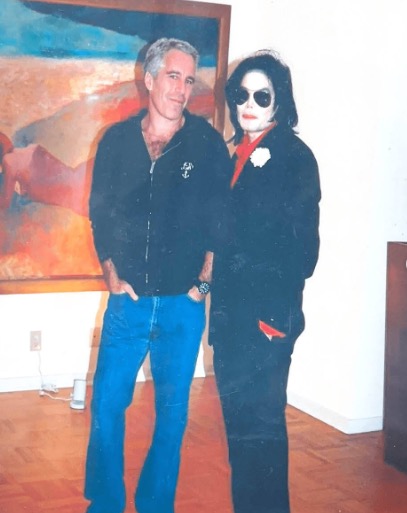
Jackson appears in photos with Epstein and in a fundraising image alongside Bill Clinton and Diana Ross. Blurred faces in the file correspond to Ross’s son and Jackson’s children.
Paul McCartney
McCartney is referenced in emails about the Kennedy Center Honors and a 2015 benefit show for which Epstein purchased tickets. Additional mentions relate to McCartney’s divorce settlement.
Rod Stewart
Epstein attended a Rod Stewart performance at Caesars Palace in 2013, and a VIP host confirmed ticket arrangements, also recommending the Beatles Cirque du Soleil show Love.
Roger Waters
Waters appears in connection with the 12-12-12 Concert for Sandy Relief.
Steve Winwood
Winwood is mentioned among Muscle Shoals interview invitations.
The Who
The Who are referenced in concert and event communications, including the 12-12-12 benefit lineup.
Document Release and Subsequent Removal
The Justice Department’s release of the Epstein files prompted widespread attention among global elites, generating resignations, firings, and ongoing investigations in multiple countries. The documents include modern celebrities and legendary musicians whose work influenced generations.
On February 15, Attorney General Pam Bondi confirmed the release of all Epstein-related files, organized into nine categories. She emphasized that no records were withheld or redacted for reputational or political reasons, including for government officials, public figures, or foreign dignitaries.
The nine categories comprise materials related to Epstein and Maxwell, flight logs and travel records, individuals associated with criminal activities, corporate and nonprofit entities, immunity agreements, internal DOJ communications, evidence documentation, and records concerning Epstein’s detention and death.
Following concerns from survivors about exposed identities, the DOJ removed thousands of documents. Lawyers for Epstein’s victims argued that inadequate redactions compromised the privacy of nearly 100 individuals, causing significant distress.