
From Tragedy to Triumph: How Keith Edmonds Turned Childhood Trauma Into a Lifelong Mission
A Night That Changed Everything
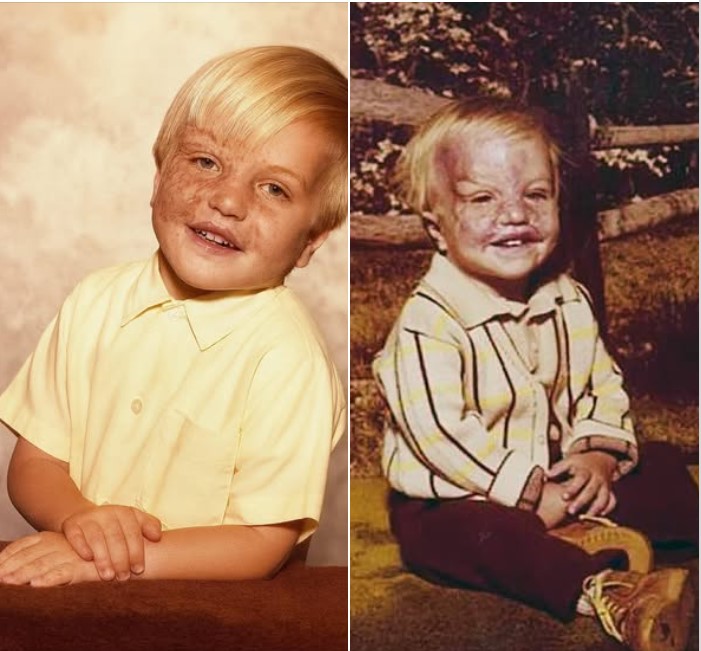
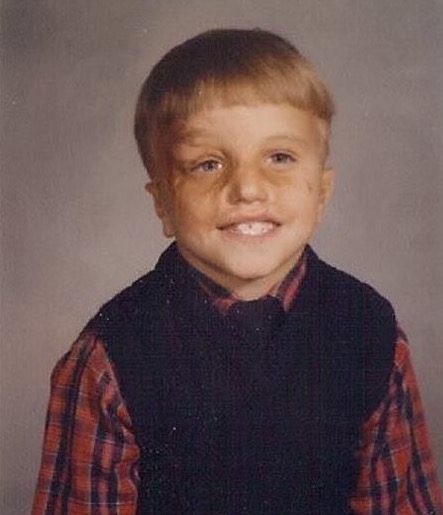
Keith Edmonds was only 14 months old when his life was nearly cut short by an act of unimaginable violence. On November 18, 1978, in Flint, Michigan, a moment of rage would leave permanent marks on his face and alter the course of his future.
His mother’s boyfriend, angered by the toddler’s crying, pressed Keith’s face against an electric heater. The assault caused severe third-degree burns across half of the child’s face.
Doctors did not believe he would survive the night. The damage was extensive, and the prognosis was grim.
Yet against all expectations, Keith lived.
“I spent a month in the hospital, with no one knowing if I was going to live or die,” Keith said.
Years of Medical Treatment and Uncertainty
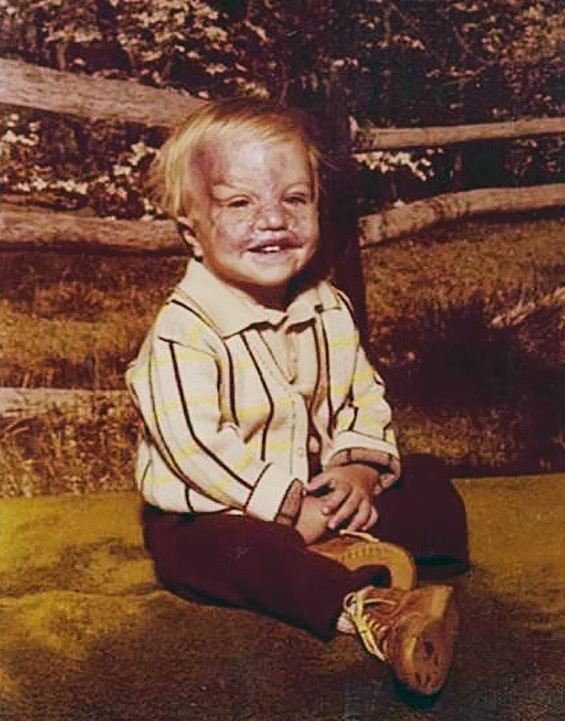
Survival was only the beginning of a long and painful road. Keith endured extensive treatment and reconstructive procedures throughout his childhood.
He received ongoing care at the Shriners Burn Institute in Cincinnati, where he remained a patient until he turned 18. The surgeries aimed to restore function and create as natural an appearance as possible.
During this period, Keith also entered the foster care system. He became a ward of the state while authorities investigated the circumstances surrounding the attack.
Eventually, his mother was cleared of wrongdoing, and they were reunited. The man responsible for the assault was sentenced to 10 years in prison.
For Keith, the punishment felt insufficient.
”When I was a younger child and into my teenage years, I absolutely did not believe 10 years was enough. More so to the fact that in my later teen years I was looking for him….I was willing to meet him face to face and get revenge. (Never found him) Into my 20’s and early 30’s I still believed I was let down by the courts,” Keith shares with Newsner.
The Emotional Toll of Visible Scars
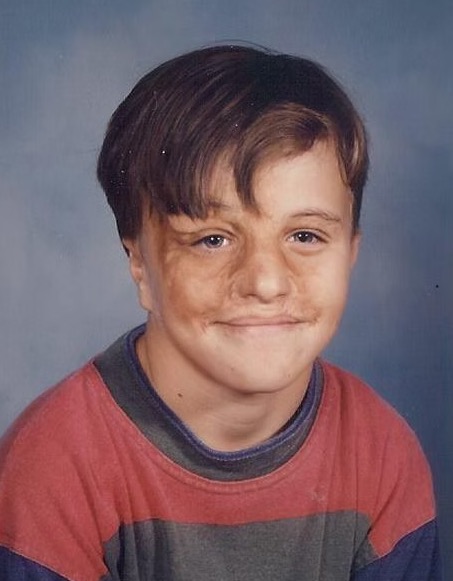
Growing up with visible scars brought additional challenges. Keith faced bullying and isolation during his formative years.
The emotional burden compounded the physical trauma. By the age of 13, he turned to alcohol as a way to cope with the pain and rejection he experienced.
What began as a means of escape developed into decades of substance abuse. His twenties were marked by addiction, depression, and repeated struggles with the law.
The scars he carried were both external and internal, shaping how he saw himself and how others perceived him.
A Defining Moment at 35
Everything shifted on July 9, 2012, his 35th birthday. During another period of heavy drinking, Keith experienced what he describes as a moment of clarity.
He made a conscious decision to change the direction of his life.
“I wanted to become a better person,” he says.
That choice marked the beginning of a sustained transformation. Sobriety became the foundation upon which he rebuilt his identity.
Building a Career and Restoring Purpose
As Keith committed to recovery, he also focused on professional growth. He entered corporate sales and went on to achieve significant success.
He worked with Dell and later with the Coca-Cola Company, earning top sales awards and recognition for his performance.
At Coca-Cola, he was assigned one of the most challenging sales routes in inner-city Detroit. The role required resilience, communication skills, and the ability to build trust in complex environments.
His success in these positions reflected not only professional competence but also personal determination.
Turning Pain Into Advocacy
Keith’s transformation extended beyond career advancement. He began to envision a broader purpose rooted in his own experiences.
In 2016, he founded the Keith Edmonds Foundation, a nonprofit organization dedicated to supporting abused and neglected children.
The foundation focuses on empowerment, mentorship, and practical assistance for young people navigating trauma.
One of its initiatives, Backpacks of Love, provides foster children with essential items during their first days in care. The goal is to replace uncertainty with dignity and comfort.
Another program, Camp Confidence, offers a summer day camp designed to mentor and encourage children who have experienced abuse. The camp emphasizes connection, self-worth, and resilience.
Keith recalls a moment that underscored the impact of the work.
“There was a moment when an adult survivor was talking about vision boards and 10 things to make life better and talked about role models,” Keith recalls. “A little girl asked if he could be her role model. There was such a great connection there. I was so overcome, I had to leave the room.”
For Keith, the mission extends beyond short-term outreach.
“We can’t just come into their lives for the camp and then just leave,” he says. “We walk alongside them to assist them in whatever they need.”
Credibility Through Lived Experience
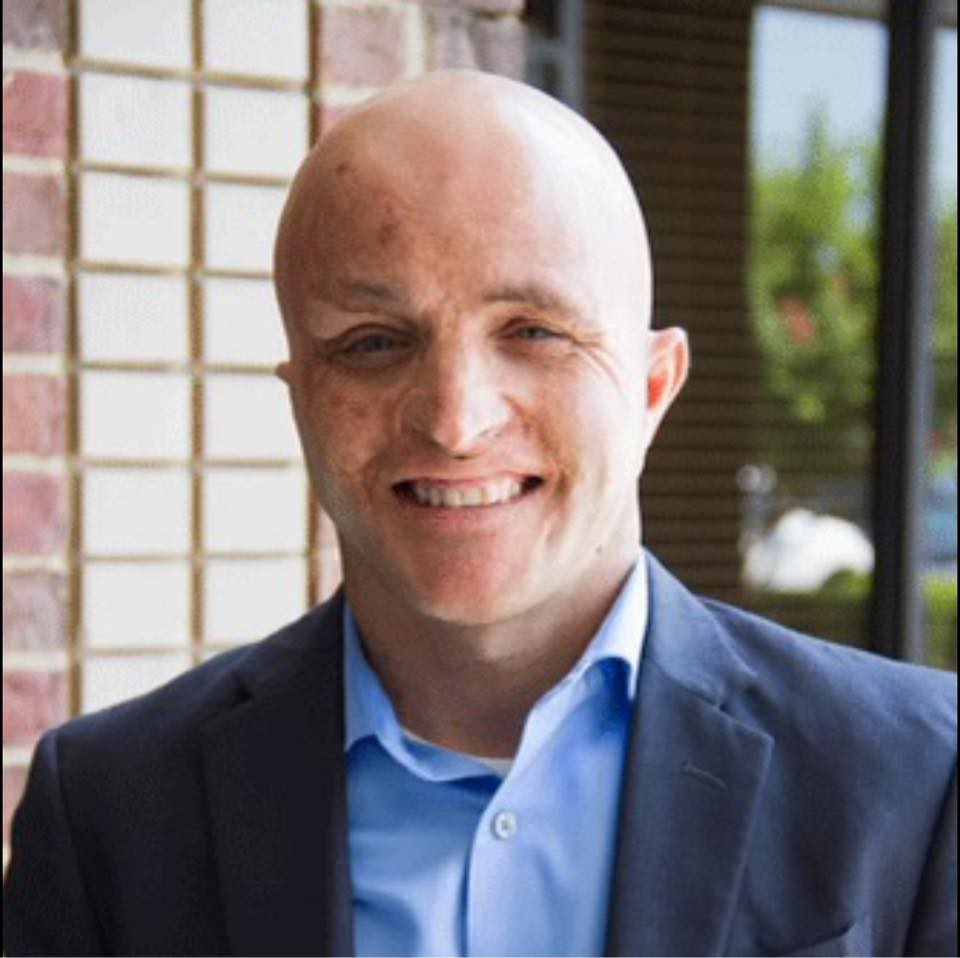
Keith’s message resonates deeply with young people, particularly those facing adversity. His scars are visible reminders of what he endured.
Rick Miller, principal of MAP Academy for at-risk students in Lebanon, Tennessee, described the immediate trust students place in him.
“They relate to him because he wears the scars of his abuse every day of his life and he doesn’t shoot them full of hot air. They immediately trust him.”
One high school student experienced a dramatic shift after forming a connection with Keith and his wife, Kelly.
“She became like a new kid. I watched her smile again and saw life coming back to her,” Miller says. “We might have lost her if they hadn’t come along the way they did.”
Keith recognizes that many people carry invisible wounds.
“There are people who wear their scars all on the inside and you pass them every day,” he says. “I just happen to wear my scars on the inside and the outside.”
Forgiveness and Moving Forward
Forgiveness became a turning point in Keith’s emotional healing. Letting go of anger did not erase the past, but it changed his perspective.
He acknowledges that he knows where the man who attacked him lives today.
“At 35, when I got sober and worked on myself, my pain, my anger, my hurt, I again found this thing called forgiveness. Forgiveness is a powerful tool. It does not excuse the person’s actions, and you do not forget the wrong they have done, but it truly does give you a better perspective on life.
As of today, I know what town the guy lives in — it’s honestly not that far away from where I live. Have I met him? No. Would it be met with anger? Probably not.”
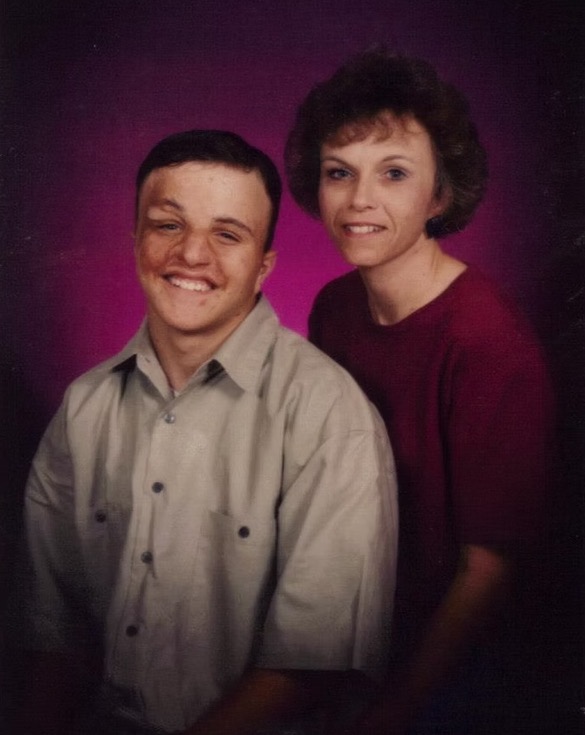
His journey toward forgiveness also influenced his relationship with his mother.
In his book Scars: Leaving Pain in the Past, Keith reflects on their turbulent years.
”There were some turbelant years when I was in my teenage years and even when I was in the 20’s and 30’s but she has always been there. Forgiveness is a powerful tool to have in this thing called life,”
A Message of Hope
Keith Edmonds’ life story spans unimaginable trauma, addiction, redemption, and service. From a toddler not expected to survive to a man guiding others through recovery and resilience, his journey illustrates the possibility of transformation.
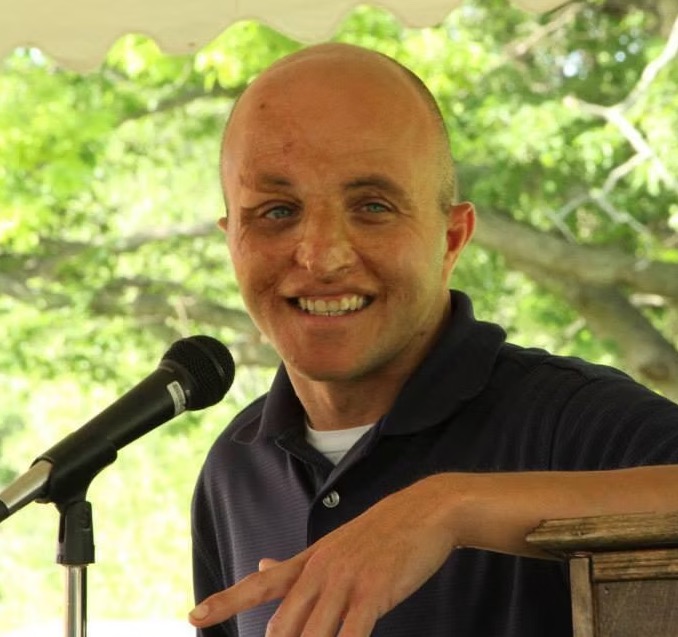
Through public speaking, mentorship, and the continued work of his foundation, he channels personal pain into collective healing.
“I spent my whole life trying to transition myself from a victim to a survivor,” Keith says. “I quit drinking for every child that has been affected by child abuse. I know that I have been blessed to be able to make the transition, and it is my job to help empower and assist others in their journeys. And try my best to shorten their transition.”
His scars remain, but they no longer define him as a victim. Instead, they stand as evidence of endurance and growth.
Keith’s journey demonstrates that even the deepest wounds can become the foundation for purpose. For countless children who feel broken or forgotten, his life offers proof that survival can evolve into strength—and strength into service.