
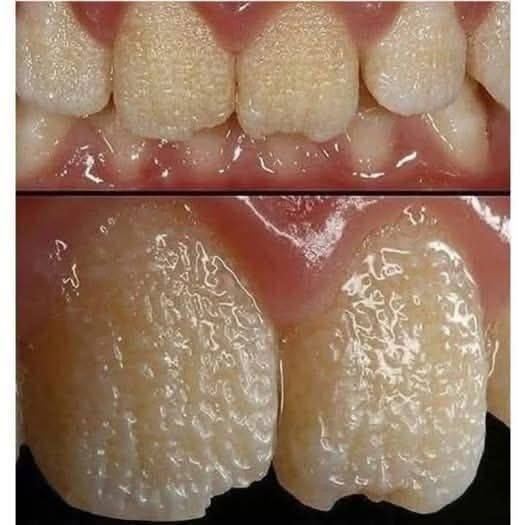
Understanding Amelogenesis Imperfecta: When Tooth Enamel Develops Differently
Not All Dental Changes Are Caused by Lifestyle
Yellowing, sensitivity, and chipping are often associated with diet, coffee consumption, or brushing habits.
However, in some cases, the underlying cause is not related to daily habits at all.
For certain individuals, dental concerns begin during the early stages of tooth development.
This distinction is important because developmental conditions require different understanding and care than surface-level dental issues.
A Genetic Condition That Affects Enamel Formation
One rare but significant explanation for unusual tooth appearance and fragility is Amelogenesis Imperfecta, often referred to as AI.
This genetic condition affects the formation of enamel, the hard outer layer that protects teeth.
When enamel does not develop properly, teeth may appear discolored, pitted, smaller than average, or more fragile.
These changes are not caused by poor hygiene but by variations in the enamel development process.
The Role of Enamel in Oral Health
Enamel is the hardest substance in the human body and serves as a protective barrier for teeth.
It shields the inner layers of the tooth, particularly the dentin, from temperature changes, pressure, and external damage.
Healthy enamel supports both function and comfort during eating and daily activities.
When enamel is compromised, teeth become more vulnerable to wear and sensitivity.
How Enamel Develops During Early Growth
Enamel formation occurs during early tooth development through the activity of specialized cells.
These cells are responsible for producing and mineralizing the enamel layer before teeth fully emerge.
Any disruption in this developmental process can lead to structural differences in enamel quality.
In conditions like AI, genetic mutations interfere with the normal formation and mineralization of enamel.
Characteristics of Teeth Affected by AI
Teeth impacted by Amelogenesis Imperfecta can present a range of visible and structural differences.
Common features include discoloration, fragility, and irregular surface texture.
Some teeth may appear smaller or more worn than expected for a person’s age.
These characteristics vary depending on the specific type and severity of the condition.
Increased Sensitivity and Daily Discomfort
Because enamel protects the sensitive dentin beneath it, weakened or thin enamel can lead to heightened sensitivity.
Individuals with AI may experience discomfort when consuming hot, cold, or sweet foods and beverages.
This sensitivity can affect eating habits and overall oral comfort.
Daily activities such as brushing may also require extra care to avoid irritation.
A Condition That Affects Both Baby and Permanent Teeth
Amelogenesis Imperfecta can impact both primary (baby) teeth and permanent teeth.
This means that symptoms may become noticeable early in childhood.
As permanent teeth develop, the same enamel differences may persist.
The condition is lifelong and cannot be reversed through whitening or standard brushing routines.
Emotional and Social Impact of Visible Dental Differences
Beyond physical symptoms, AI can influence emotional well-being and self-confidence.
Visible differences in tooth color and structure may lead to self-consciousness, especially in children and teenagers.
Frequent dental treatments and ongoing sensitivity can also affect daily comfort and social interactions.
Supportive dental care and awareness play an important role in building confidence.
Understanding the Different Types of Amelogenesis Imperfecta
There are several recognized types of AI, each affecting enamel in a distinct way.
These variations are based on how enamel forms and mineralizes during development.
Identifying the type helps guide treatment and protective care strategies.
Each type presents unique structural characteristics and clinical needs.
Hypoplastic Amelogenesis Imperfecta
In hypoplastic AI, the enamel layer is thin but relatively hard.
Teeth may appear smaller, with grooves or pits on the surface.
Although the enamel is structurally firm, its reduced thickness offers less protection.
This can increase vulnerability to wear over time.
Hypomaturation Amelogenesis Imperfecta
Hypomaturation AI involves enamel that forms at normal thickness but remains softer than usual.
Teeth may have a mottled or opaque appearance and be more prone to chipping.
The softer enamel does not provide the same level of durability as fully mineralized enamel.
This type often requires protective dental care to prevent damage.
Hypocalcified Amelogenesis Imperfecta
In hypocalcified AI, enamel is fragile and may wear away quickly after teeth emerge.
The enamel may appear chalky or discolored and can be easily damaged.
This type often leads to significant sensitivity and structural vulnerability.
Early dental intervention is especially important in managing this form.
Genetic and Familial Patterns
Amelogenesis Imperfecta is a genetic condition and can run in families.
Inherited mutations affecting enamel-forming genes are responsible for the condition.
Family history may provide important clues during diagnosis.
Genetic patterns vary, meaning symptoms can differ even among relatives.
How AI Is Diagnosed
Diagnosis typically begins with a comprehensive dental examination.
Dentists assess enamel thickness, color, and structural integrity during routine evaluation.
X-rays may be used to examine tooth structure beneath the surface.
In some cases, genetic testing may be recommended to confirm the diagnosis.
The Importance of Early Identification
Early detection allows dental professionals to implement protective strategies before significant wear occurs.
Monitoring tooth development in children can help identify enamel differences at an early stage.
Preventive care can reduce the risk of damage and long-term discomfort.
Timely intervention supports better oral function and overall dental health.
Treatment Approaches Focused on Protection
There is no cure that restores enamel once it has formed differently.
Treatment focuses on strengthening, protecting, and preserving the existing tooth structure.
Dental care plans are typically personalized based on the type and severity of AI.
Consistent professional monitoring is essential for long-term management.
Common Dental Treatment Options
Protective solutions may include crowns to shield weakened teeth from wear.
Bonding and veneers can improve both function and appearance.
Fluoride treatments are often used to help strengthen enamel and reduce sensitivity.
Desensitizing products may also be recommended to enhance daily comfort.
Living Confidently With Enamel Differences
With modern dental care and early intervention, individuals with AI can maintain healthy and functional smiles.
Regular dental visits and tailored care routines support long-term oral health.
Education about the condition helps reduce stigma and misconceptions.
Understanding that enamel differences are developmental rather than lifestyle-related can promote greater self-acceptance.
A Balanced Perspective on Oral Health
Unusual tooth color, sensitivity, or fragility does not always reflect hygiene habits.
Developmental conditions like Amelogenesis Imperfecta highlight the complexity of oral health.
Focusing on protection, awareness, and professional care leads to better outcomes.
Ultimately, enamel differences do not define a person’s health or confidence when supported by informed and compassionate dental care.