
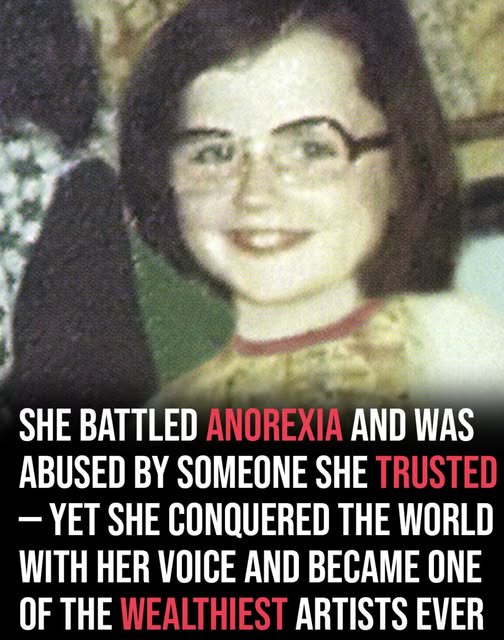
Dolores O’Riordan: The Voice That Echoed Across a Generation
A Childhood Rooted in Faith and Folklore
Born on September 6, 1971, in Ballybricken, County Limerick, Ireland, Dolores O’Riordan grew up in a rural landscape shaped by folklore and tradition.
She was the youngest of nine children in a devout Roman Catholic family and was named after the Lady of the Seven Dolours.
Her father, Terence, had once worked as a farm laborer but suffered brain damage following a motorbike accident in 1968.
Her mother, Eileen, worked as a school caterer, helping to support the large family.
Despite financial and personal challenges, her early home life was described as modest and loving.
An Early Musical Spark
Dolores showed signs of musical ability almost from infancy. According to accounts, she was singing before she could fully speak.
By the age of five, her school principal recognized her talent and invited her to sing for older students.
She began performing traditional Irish songs and learned to play the tin whistle at school.
Even as a child, music became both an outlet and a source of identity.
A Strict Upbringing and Quiet Rebellion
Raised in a strict Catholic household, Dolores followed a structured daily routine that revolved around church, piano lessons, and homework.
In a 2001 interview, she reflected that she had been “anti anything that was girlie” until she was 17.
She also described her childhood as “sheltered, pure and trippy in a childlike way,” recalling conversations with animals and confiding in her dog.
Friends remembered her as “boisterous, wild, but lovely,” hinting at the spirited performer she would later become.
Leaving Home to Follow Her Dream
At 18, Dolores chose her own path. Despite suggestions from family members to pursue religious life or higher education, she left home to pursue music.
She later recalled experiencing financial hardship during this period, even going hungry.
“At 18 I left home because I wanted to sing. My parents wanted me to go to college and things like that. I was really poor for a year-and-a-half; I remember actually being hungry, like I’d die for a bag of chips. That’s when I joined the Cranberries,” she once said.
Joining The Cranberries
In 1990, a local band called the Cranberry Saw Us was searching for a lead singer. Dolores auditioned with songs she had written herself.
Guitarist Noel Hogan later recalled being stunned by her voice, describing it as extraordinary for someone so young.
The band soon renamed itself The Cranberries, with Dolores O’Riordan as its frontwoman.
Though shy at first, sometimes performing with her back to the audience, her distinctive Irish tone and emotive delivery quickly captured attention.
Rise to Global Fame
The band’s 1993 debut album, Everybody Else Is Doing It, So Why Can’t We?, featured hits such as “Linger” and “Dreams.”
Its follow-up, 1994’s No Need to Argue, further cemented their place in the alternative rock scene.
Both albums sold millions of copies, and the band performed on MTV Unplugged during their ascent.
By 1995, Dolores was reportedly the highest-paid female rock star in the United Kingdom.
In later years, she was recognized among the wealthiest women in Ireland.
The Power of “Zombie”
Among the band’s most iconic songs was “Zombie,” written in response to the deaths of two children in a 1993 bombing in England carried out by the Irish Republican Army.
The song marked a shift toward politically charged lyrics and a heavier sound.
Despite initial hesitation from record executives about releasing it as a single, Dolores stood firmly behind her artistic vision.
Her determination helped the track become one of the defining protest songs of the era.
The Personal Cost of Stardom
Achieving fame at a young age came with sacrifices.
Dolores later reflected on missing out on the freedom most young people enjoy.
She faced relentless public scrutiny and intense touring schedules that took a toll on her health.
By 1996, exhaustion forced the band to cut a tour short.
Her former manager noted concerns about her physical and emotional well-being during this time.
Struggles With Mental Health
Over the years, Dolores openly discussed her battles with depression, self-loathing, and suicidal thoughts.
She revealed that she had been molested for four years starting at age eight by someone she trusted.
“I was only a kid,” she said in an interview.
She later explained how becoming a mother triggered painful memories and flashbacks related to her trauma.
In 2013, she disclosed that she had attempted to overdose but believed she was “meant to stay here for the kids.”
She also confirmed that she had been diagnosed with bipolar disorder.
Marriage and Motherhood
In the summer of 1994, Dolores married Don Burton, tour manager of Duran Duran.
The couple moved to Canada and had three children.
She often spoke about motherhood as transformative, describing her children as central to her healing process.
“The kids were actually completely elemental in my healing process,” she told LIFE.
Loss and Personal Turmoil
In 2011, Dolores experienced another profound loss when her father, Terence, died of cancer.
At his funeral, she encountered the person who had abused her during childhood.
She later reflected on the emotional impact of that meeting and the resurfacing of memories she had long tried to suppress.
In 2014, her 20-year marriage ended, marking another turning point in her life.
Following a publicized incident on a flight, she was arrested and later placed under psychiatric care.
Alcohol and Ongoing Challenges
Dolores acknowledged her struggles with alcohol, describing episodes of binge drinking during difficult periods.
She explained how touring life made it easy to rely on alcohol to cope with insomnia and emotional distress.
Despite attempts to manage these challenges, the pressures of fame and personal turmoil continued to affect her well-being.
Band Breakups and Reunions
The Cranberries disbanded in 2003, and Dolores released two solo albums during the hiatus.
The band reunited in 2009 and later released Roses in 2012, which was widely praised by longtime fans.
Although they never reached the same commercial heights as in the early 1990s, their dedicated audience remained loyal.
Her Final Days
On January 15, 2018, Dolores O’Riordan was found unresponsive in a London hotel room and was pronounced dead at 9:16 a.m. She was 46 years old.
A coroner’s inquest determined that her death was an accidental drowning in a bath, with alcohol intoxication contributing to the circumstances.
Investigators found empty bottles and prescription medications in the room.
Last Messages and Legacy
Shortly before her death, Dolores left two voicemails for Dan Waite, a label executive who had previously worked with the band.
In the messages, she spoke warmly about her children and sang part of the Verve’s “Bitter Sweet Symphony.”
According to Waite, she appeared to be making plans for the coming days.
A Voice That Endures
After her passing, Noel Hogan reflected that what made Dolores resonate with audiences was her honesty.
“Dolores went through a lot over the past decade — both highs and lows,” he said. “But what truly made her resonate with people was her honesty. What you saw was what you got.”
Her music continues to speak to listeners who grew up with her voice as the soundtrack to their youth.
Though her life was marked by extraordinary success and deep personal struggle, her artistry remains unforgettable.
Dolores O’Riordan left behind more than chart-topping hits. She left a legacy of vulnerability, strength, and authenticity that continues to inspire.
Rest in peace, Dolores O’Riordan.