
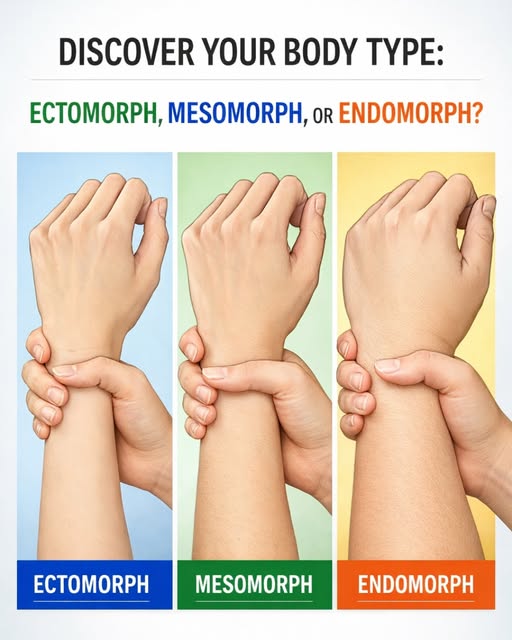
Understanding Your Body Type: How to Work With Your Natural Structure
Why Bodies Respond Differently
Many people notice that the same diet or workout plan produces very different results from one person to another. While discipline and consistency play important roles, these differences are not solely about effort.
Your natural body structure, often referred to as body morphology or somatotype, also influences how you respond to food, exercise, and rest.
Recognizing your body type can help you make informed decisions that support long-term health. Instead of chasing unrealistic expectations, you can build routines that align with how your body naturally functions.
Body Morphology as a Guide, Not a Label
The three classic profiles—ectomorph, mesomorph, and endomorph—were created to describe general physical tendencies. They are not rigid categories that define limits or outcomes.
These profiles serve as practical tools for understanding patterns in metabolism, muscle development, and recovery.
The purpose is not to confine yourself to a label. Instead, it is to use this knowledge to make thoughtful choices, enjoy activities that suit you, and develop habits that feel sustainable.
Ectomorph: A Lean Frame With High Energy Use
Ectomorphs typically have a slender and elongated build. Their shoulders may appear narrower, and their overall structure often looks light and fine.
This body type is commonly associated with a faster metabolism, meaning energy is burned quickly.
Common Traits of Ectomorphs
Individuals with this profile often find it challenging to gain weight or build muscle mass. Their bodies may require more fuel to maintain steady energy levels.
Because energy expenditure is high, skipping meals or under-eating can easily lead to fatigue.
They may feel drained more quickly if rest and nutrition are insufficient.
Supporting an Ectomorph Body
Regular and nourishing meals are essential for maintaining energy and strength. Rather than fearing calories, ectomorphs often benefit from ensuring they eat enough to support their activity levels.
Complete meals that include whole grains, legumes, quality protein sources, and healthy fats such as nuts, seeds, and olive oil can provide lasting fuel.
Strength training and full-body exercises help improve stability and support balanced muscle development.
Rest and recovery are equally important. Quality sleep and planned rest days help prevent exhaustion and maintain consistent progress.
The objective is not extreme muscle gain, but sustainable energy and overall well-being.
Mesomorph: Naturally Balanced and Responsive
Mesomorphs are often described as having a proportionate and athletic-looking structure. Their bodies tend to respond quickly to physical training.
Strength and endurance improvements may appear more readily compared to other body types.
Common Traits of Mesomorphs
This profile often includes balanced muscle distribution and a frame that adapts well to various forms of exercise.
Muscle development can occur relatively quickly when consistent training is applied.
With this adaptability comes the need for structured variety to prevent stagnation.
Supporting a Mesomorph Body
Variety and balance are key. Alternating between higher-intensity workouts, moderate sessions, and lighter dynamic activities helps maintain progress.
Incorporating sports, mobility exercises, and light cardio can challenge different energy systems.
A balanced diet rich in vegetables, whole grains, quality proteins, and healthy fats supports recovery and performance.
Even with natural adaptability, recovery should not be overlooked. Avoiding excessive repetition of the same routine helps reduce the risk of overuse issues.
Consistency combined with balance sustains long-term strength and vitality.
Endomorph: Solid Structure With Strong Adaptation
Endomorphs generally have a more rounded or robust build. Their frame often appears solid and strong.
This body type may gain weight more easily, but it also responds effectively to consistent, structured habits.
Common Traits of Endomorphs
A naturally softer or fuller body shape is typical. The frame itself may feel sturdy and resilient.
While visible changes can take patience, steady routines often yield reliable results over time.
Supporting an Endomorph Body
The focus should remain on sustainability rather than restriction. Balanced meals that include colorful vegetables, sufficient protein, and healthy fats provide nourishment without extremes.
Maintaining regular meal timing and mindful portion awareness can support steady energy levels.
Combining dynamic activities such as walking, cycling, or swimming with resistance training helps build strength and support metabolic balance.
Gradual progress and patience are important. Comparing yourself to others can undermine motivation and consistency.
With structured habits and time, endomorph bodies often demonstrate strong long-term resilience.
Most People Reflect a Combination
In reality, few individuals fit perfectly into a single category. Many people display characteristics of two types, such as ecto-mesomorph or meso-endomorph.
Body composition can also shift over time due to age, stress, lifestyle, or changes in physical activity.
Recognizing this flexibility encourages a more adaptable mindset toward health and fitness.
The Importance of Self-Observation
Rather than relying solely on labels, learning to observe your body’s signals is essential.
Consider how you feel after meals, how quickly you recover from exercise, and what types of activities leave you energized.
Do you thrive on higher-intensity training, or do gentler movements feel more sustainable?
Your body communicates constantly. Paying attention to these cues provides insight that no category alone can offer.
Practical Application of Body Type Knowledge
Using body morphology as a guide can simplify decision-making. An ectomorph may focus on consistent fueling and adequate rest.
A mesomorph may benefit from varied workouts and balanced nutrition.
An endomorph may prioritize structured routines and dynamic activity paired with balanced meals.
These strategies are not restrictions but supportive frameworks tailored to general tendencies.
Moving Away From Unrealistic Standards
Understanding your body type is not about achieving a specific aesthetic. It is about building habits that support energy, strength, and comfort.
When you align your approach with your natural structure, progress becomes more sustainable.
Instead of forcing your body to conform to trends, you can focus on practical improvements that enhance overall well-being.
Building Sustainable Habits
Long-term health relies on routines that you can maintain over years, not weeks. Extreme approaches often lead to burnout or frustration.
When habits respect your natural tendencies, they are easier to sustain.
Consistency becomes less about willpower and more about compatibility with your body’s needs.
Creating a Balanced Relationship With Your Body
A healthier perspective on body morphology fosters respect rather than criticism.
Recognizing your natural structure encourages self-compassion and realistic goal-setting.
Instead of comparing yourself to others, you can focus on what supports your own energy and comfort.
This shift transforms health from a pursuit of appearance into a commitment to well-being.
Working With Your Body, Not Against It
Your body type does not determine your limits. It offers insight into how you might respond to different strategies.
By embracing this knowledge, you can make informed adjustments that align with your lifestyle and goals.
When effort works in harmony with your natural structure, progress feels steadier and less stressful.
Understanding morphology is not about restriction. It is about clarity and respect.
A Sustainable Path Forward
Each body type carries strengths and challenges. Recognizing them allows for smarter, kinder decision-making.
Energy levels, recovery patterns, and physical responses become guides rather than obstacles.
By building habits that support your unique structure, you create a foundation for lasting health.
In the end, working with your body leads to a more balanced and sustainable approach to well-being.
When self-awareness replaces comparison, progress becomes more natural and long-term success becomes achievable.
Understanding your body type is simply one step toward a more informed and supportive relationship with yourself.