
Small Black Spots on Walls and Floors Could Signal a Bigger Problem Inside Your Home
A Subtle Sign That Shouldn’t Be Ignored
It often begins with something small.
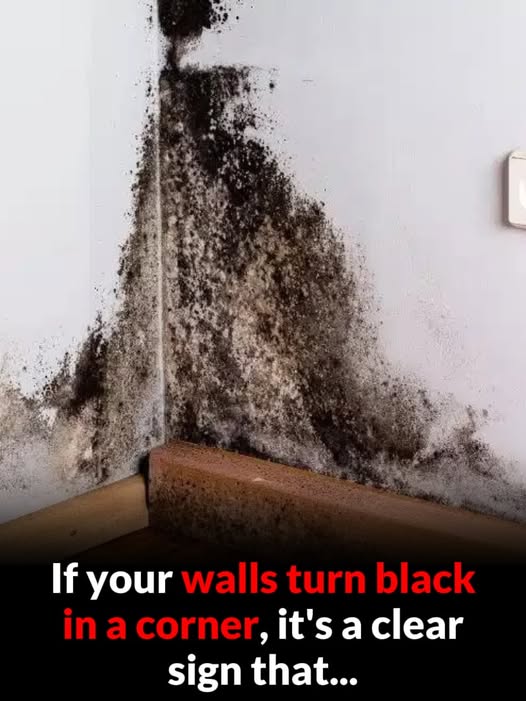
A faint black mark appears in the corner of a wall, barely noticeable at first glance.
It may resemble a smudge, a speck of dirt, or even a minor paint imperfection.
Over time, however, that tiny mark can darken, expand, and sometimes produce a musty odor.
What looks harmless in the beginning can signal an issue developing behind the surface.
While there is no need for immediate panic, ignoring these signs can allow the problem to worsen.
Taking prompt and informed action can help prevent long-term damage and protect indoor air quality.
Why Black Stains Form on Walls
Black discoloration in wall corners is rarely the result of poor cleaning.
The most common cause is excess moisture trapped indoors.
Rooms with limited ventilation are especially vulnerable.
Bathrooms filled with steam, kitchens without proper airflow, and bedrooms that remain closed for long periods can all accumulate humidity.
When warm, moisture-heavy air meets cooler wall surfaces, condensation forms.
This damp environment creates ideal conditions for mold growth.
External factors may also contribute.
A leaking roof, damaged gutter, or water seeping up from foundations can introduce moisture into walls.
Poor insulation may create cold zones known as thermal bridges.
These areas attract condensation more easily than properly insulated surfaces.
Furniture placement can also play a role.
Large wardrobes, sofas, or cabinets placed flush against walls restrict air circulation.
Without airflow, moisture becomes trapped and mold can develop unseen behind the furniture.
Immediate Steps to Take
When dark patches appear, early action is essential.
The sooner the response, the lower the chance of spread.
Begin by ventilating the affected room thoroughly.
Open windows in the morning and evening, even during colder months.
Allowing fresh air to circulate for at least ten minutes can significantly lower humidity levels.
Next, clean the visible mold.
A solution of white vinegar mixed with warm water can help treat surface stains.
For more stubborn spots, hydrogen peroxide may be effective.
Care should be taken when applying vinegar to natural stone or marble surfaces, as it may cause damage.
Move furniture slightly away from walls to improve airflow.
Even a small gap can help reduce moisture buildup.
If dampness persists, consider using a moisture absorber or an electric dehumidifier.
Laundry rooms and bathrooms often benefit most from these devices.
Preventing Mold From Returning
After cleaning affected areas, long-term prevention becomes the priority.
Proper ventilation is critical.
Extractor fans in bathrooms and kitchens can significantly reduce lingering steam and humidity.
Monitoring indoor humidity levels is also helpful.
A hygrometer allows homeowners to keep humidity between 40% and 60%, a range less favorable for mold growth.
In moisture-prone rooms, anti-moisture paint can add an extra layer of defense.
While not a complete solution, it can reduce surface dampness.
If the problem appears persistent or widespread, deeper structural issues may be present.
Leaks, damaged insulation, or rising moisture from the ground require professional assessment.
What appears as a surface stain may only be a visible symptom of a larger hidden concern.
When the Problem Keeps Coming Back
If black patches return despite ventilation and cleaning efforts, further investigation is necessary.
Roofs, gutters, and exterior walls should be inspected for water intrusion.
White residue or crumbling plaster may indicate rising damp.
Specialized treatments exist for these situations, including resin injections and anti-saltpeter solutions.
Consulting a certified moisture specialist can prevent more extensive repairs in the future.
For renters, notifying a landlord promptly is important.
Mold is not only a structural issue but also a potential health concern.
Mysterious Black Dots in the Kitchen
Dark spots are not limited to walls alone.
In some cases, small black specks appear along skirting boards, wallpaper, or floors.
One mother experienced this unsettling discovery when she noticed scattered black droppings throughout her home.
Unsure of their origin, she sought advice online.
Posting on a Mrs. Hinch fan page, she shared images showing the unusual specks lining her dining room skirting board and parts of the wallpaper.
“Anyone have any idea what this is?” she asked. “Just appeared this last week or so on the skirting board in my dining room, also bits on the wallpaper and the floor which gets mopped every day! It’s not bumpy, it looks like some sort of paint splatter but it isn’t.”
The unexplained marks raised concern because they appeared suddenly and continued to accumulate.
Unlike mold stains that spread gradually across damp surfaces, these specks resembled tiny droplets.
The situation illustrates how unexpected black marks can prompt uncertainty and anxiety.
Whether caused by moisture-related mold or another source, identifying the root of the issue is essential.
Understanding the Importance of Early Detection
Black spots in any form should not be dismissed as minor imperfections.
Moisture problems can escalate quickly if left untreated.
Structural materials may weaken, and indoor air quality may decline.
Regular inspection of corners, baseboards, and less-visible areas helps detect issues early.
Keeping rooms dry, ventilated, and well-insulated reduces the likelihood of recurrence.
Simple habits such as opening windows daily and checking for leaks can make a significant difference.
Maintaining a Healthy Living Environment
A home should provide comfort and security.
Addressing moisture and unexplained stains promptly supports both structural integrity and occupant well-being.
While black spots may appear minor at first, they often serve as warnings.
By acting quickly, homeowners can prevent larger complications.
Awareness, routine maintenance, and proper ventilation remain the most effective defenses.
Small signs can reveal larger truths about a home’s condition.
Recognizing and responding to those signs ensures a cleaner, healthier space for everyone inside.