
Cristiano Ronaldo’s Rise From Madeira to Global Football Stardom
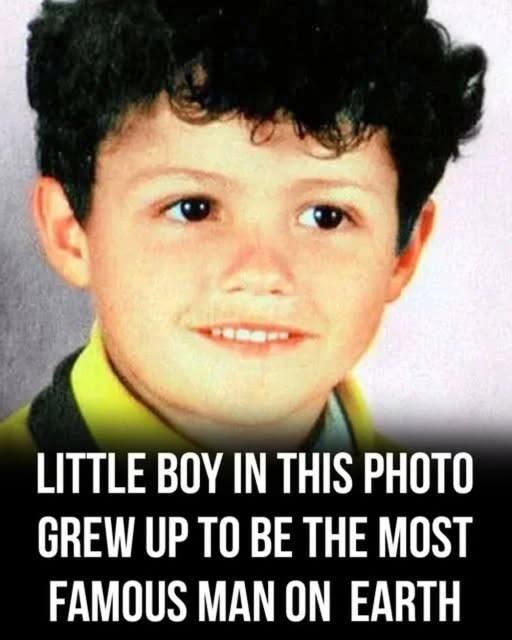
Long before his name became synonymous with modern football greatness, Cristiano Ronaldo was an energetic child growing up on the island of Madeira. His early years were shaped by limited surroundings, strong emotions, and an overwhelming desire to push beyond the boundaries of his environment. Football was not a casual pastime but the central force that gave structure and meaning to his life.
From an early age, Ronaldo displayed a restless personality. He struggled to remain still, carried boundless energy, and focused intensely on the sport that captured his imagination. While many children treated football as a recreational activity, he approached it with unusual seriousness, seeing the pitch as the place where he felt most confident and alive.
Early Life Marked by Challenges and Determination
Ronaldo’s childhood was not without difficulties. In school, teachers often described him as impatient and easily distracted. Traditional classroom routines failed to hold his attention, and academic life proved challenging. These struggles, however, did not reflect a lack of ambition, but rather a mind constantly drawn toward movement, competition, and self-expression through sport.
Football provided an outlet for that energy. On the pitch, his focus sharpened, his confidence grew, and his abilities became impossible to ignore. The same traits that made him restless in the classroom fueled his intensity during training and matches. Even at a young age, he stood out for his drive and refusal to accept limitations.
At the age of fifteen, Ronaldo faced a serious health setback. Doctors identified a condition that caused his heart to beat dangerously fast, raising concerns about his ability to continue playing. For a young athlete whose identity revolved around football, the diagnosis represented a significant emotional and physical obstacle.
Following a delicate surgical procedure, Ronaldo demonstrated the same resilience that would later define his professional career. Within days of the operation, he returned to training. The episode did not weaken his resolve; instead, it strengthened his commitment to pursue football at the highest level, reinforcing his belief that determination could overcome adversity.
Breakthrough at Sporting CP
Ronaldo’s first major step onto the international stage came in Lisbon, where he joined Sporting CP. The move marked a turning point, placing him in a more competitive environment and exposing him to higher levels of training and expectation. His performances quickly attracted attention, particularly for his speed, technical ability, and relentless work rate.
A friendly match against Manchester United proved to be a defining moment. During that game, Ronaldo’s performance left a lasting impression on Sir Alex Ferguson. His direct style of play, confidence in one-on-one situations, and visible hunger to improve stood out against elite opposition.
Not long after that match, Ronaldo made the transition to English football. The move represented a dramatic shift in his life, taking him away from familiar surroundings and into one of the most demanding football environments in the world. It also signaled the beginning of his rise to global recognition.
Emergence as a Premier League Star
In England, Ronaldo’s talent and work ethic combined to accelerate his development. He adapted quickly to the pace and physicality of the Premier League, refining his skills and expanding his tactical understanding. Training sessions became opportunities for constant self-improvement, and his performances reflected that commitment.
As seasons progressed, Ronaldo transformed from a promising young player into one of the league’s most influential figures. His ability to score, create chances, and deliver decisive moments made him indispensable. Fans and opponents alike recognized his evolution into a complete attacking force.
By 2008, his achievements reached a new level. That year, he secured the Premier League title, lifted the Champions League trophy, and claimed his first Ballon d’Or. These honors confirmed his status among the elite players in world football and marked the culmination of years of relentless effort.
A Record-Breaking Era at Real Madrid
Ronaldo’s transfer to Real Madrid in 2009 elevated his career further. The move placed him at one of the most high-profile clubs in the world, where expectations were immense and scrutiny constant. Rather than shrinking under pressure, he embraced the challenge and set new standards of performance.
During his time in Madrid, records were broken with remarkable frequency. He scored over 450 goals in 438 matches, an achievement that reflected both consistency and extraordinary efficiency. Season after season, his contributions played a central role in the club’s domestic and international success.
Multiple Champions League titles followed, solidifying his reputation as a player who thrived on the biggest stages. Alongside these team achievements, additional Ballon d’Or awards recognized his individual excellence and sustained dominance over an extended period.
Throughout this era, his rivalry with Lionel Messi became a defining narrative in football. The competition between the two players pushed each to reach unprecedented levels of performance. Their contrasting styles and shared pursuit of greatness transformed football into a global spectacle, captivating audiences worldwide.
Building a Global Brand Beyond Football
Off the pitch, Ronaldo expanded his influence far beyond the sport itself. He developed the CR7 brand, which came to represent ambition, discipline, and high performance. His ventures extended into fashion, fragrance, fitness, and hospitality, reflecting a strategic approach to life after football.
Social media amplified his reach, eventually recognizing him as the most-followed individual in the world. His online presence offered fans insight into his training routines, personal milestones, and professional mindset. This connection strengthened his role as a global figure, not limited to athletic achievement alone.
Despite his commercial success, Ronaldo consistently emphasized values such as hard work, gratitude, and perseverance. He used his platform to motivate others, presenting his journey as evidence that success is earned through commitment rather than chance.
Family, Roots, and Personal Values
Even as his fame grew, Ronaldo remained deeply connected to his roots. Madeira continued to hold a special place in his life, representing the foundation of his journey. The island symbolized not only where he came from but also the sacrifices that shaped his character.
Family played a central role throughout his career. He often acknowledged the support and sacrifices of his mother, whose influence remained constant from his earliest days. As his own family grew, his children became a new source of inspiration, reinforcing his sense of responsibility and purpose.
These personal connections grounded him amid global attention and professional pressure. They served as reminders of the values instilled during his upbringing and reinforced his commitment to excellence both on and off the field.
A Legacy Built on Persistence and Resilience
Ronaldo’s story illustrates that greatness is not the result of luck or circumstance alone. His rise from a small island to international stardom was shaped by persistence, resilience, and an unwavering belief in his potential. Each obstacle encountered along the way strengthened his resolve rather than diminishing it.
From a barefoot child chasing a ball in Madeira to a global icon recognized across continents, his journey reflects the power of discipline and ambition. Football provided the platform, but his mindset defined the outcome.
Today, his career stands as a reminder that humble beginnings do not limit future achievement. Through determination and courage, even the most unlikely starting points can lead to lasting legacies that inspire generations to dream beyond their circumstances.