
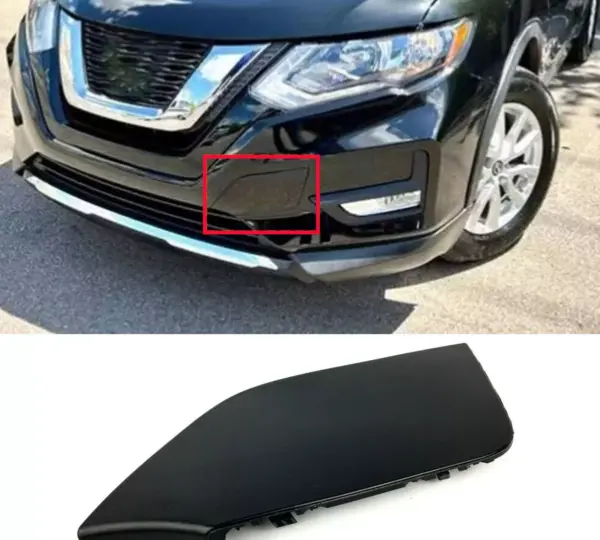
If you’ve ever walked around your vehicle and noticed a small, square or rectangular panel on the front or rear bumper, you may have assumed it was purely decorative—a design choice to keep your car looking sleek and uninterrupted.
Yet behind this unassuming cover lies a vital component that can make all the difference during a roadside emergency: the tow hook socket. While easy to miss, this feature is essential for safely towing a car, whether during a mechanical breakdown, getting stuck, or moving the vehicle intentionally. Understanding its design, location, and proper use is a crucial part of responsible vehicle ownership.
What Is a Tow Hook Socket?
The tow hook socket is a threaded metal insert built directly into your car’s frame, typically hidden behind the small removable panel on the bumper. Its primary purpose is to provide a secure, manufacturer-approved point for towing. Unlike makeshift solutions such as looping ropes or chains around bumpers, axles, or suspension components—which can cause serious damage—the tow hook socket is engineered to handle the tension and forces involved in safely moving a vehicle.
Modern automotive design emphasizes safety and convenience, and the tow hook socket is no exception. In an emergency, it allows your vehicle to be towed efficiently while minimizing risk of structural or cosmetic damage.
The Purpose of the Removable Panel
Automakers cover the tow hook socket with a removable panel for several reasons. Usually color-matched to the vehicle’s exterior, this panel sits flush with the bumper to preserve the car’s streamlined look.
The panel serves multiple functions:
-
Protection: It shields the socket from dirt, water, and debris, helping prevent corrosion or damage.
-
Ease of Access: It is designed to be removed quickly during emergencies without specialized tools.
-
Aesthetic Integration: By blending seamlessly with the bumper, it maintains the vehicle’s appearance while concealing a crucial safety feature.
Though small, the panel reflects careful engineering that balances functionality, safety, and design.
Where Tow Hooks Are Stored
Most vehicles include a dedicated tow hook stored in the trunk or cargo area, often near the spare tire or emergency roadside kit. These hooks are robust metal components with threaded ends that screw securely into the tow hook socket. Despite their compact size, they are built to withstand considerable tension, providing a reliable point for towing.
Some cars feature tow hook sockets on both the front and rear bumpers, while others—particularly smaller cars or sports models—have only one. Knowing the configuration of your vehicle is essential for emergency preparedness.
Proper Tow Hook Usage
Using a tow hook might seem simple, but incorrect use can result in vehicle damage or personal injury. Follow these steps for safe application:
-
Locate and Remove the Cover: Identify the panel on your bumper and gently pry it off with your fingers or a flat tool.
-
Install the Tow Hook: Screw the metal hook into the socket until snug, turning clockwise. Avoid over-tightening to prevent thread damage.
-
Attach the Tow Line: Connect a tow rope, chain, or bar to the hook, following manufacturer guidelines.
-
Towing Procedure: When being towed, the driver of the towing vehicle should accelerate gradually, maintain controlled speed, and communicate clearly with the driver of the towed car.
Proper use ensures both safety and efficiency, even in challenging roadside conditions.
Why Tow Hooks Matter
Tow hooks are more than a convenience—they are a critical safety feature. Attempting to tow a vehicle by fastening ropes to bumpers, axles, or suspension components can result in cracked bumpers, bent metal, or damage to sensitive electronics.
The tow hook socket eliminates these risks by providing a reinforced, purpose-built point designed to endure towing forces. This is particularly important for off-road vehicles navigating mud, snow, sand, or rocky terrain. A properly installed tow hook allows recovery straps to attach securely, reducing the risk of vehicle damage and facilitating safe extraction.
Maintenance and Safety Considerations
To ensure your tow hook is ready when needed:
-
Consult the Owner’s Manual: Vehicle manuals specify socket locations, tow hook storage, and manufacturer-recommended towing procedures.
-
Keep the Panel in Place: The cover protects the socket from debris, corrosion, and accidental impact.
-
Inspect the Hook Regularly: Check for rust, cracks, or other damage, as a compromised hook may fail under tension.
-
Know the Limits: Tow hooks are designed for low-speed towing over short distances. For long-distance or high-speed towing, a flatbed or manufacturer-approved setup is recommended.
Adhering to these guidelines ensures the tow hook performs its intended function safely.
Tow Hooks: History and Evolution
Tow hooks have been part of automotive design since the early days of cars. Early vehicles often had exposed loops or welded hooks—functional but prone to rust and inconvenient placement.
Modern vehicles conceal sockets behind panels for aesthetic and protective purposes while standardizing the design for compatibility with emergency towing equipment. Some high-performance vehicles even include threaded sockets for flatbed transport, safeguarding the vehicle’s structure during shipping.
Real-World Applications
Tow hooks prove their value in a variety of everyday situations:
-
Muddy Roads: Prevent bumper or frame damage when vehicles get stuck in mud or sand.
-
Snowy Conditions: Safely recover cars immobilized by ice or snow.
-
Minor Accidents: Easily extract vehicles caught in ditches or on steep inclines.
Although seemingly minor, this small feature can save time, money, and unnecessary stress.
Tow Hooks in Off-Roading and Motorsports
In off-road conditions, tow hooks are indispensable. Vehicles frequently encounter mud, rocks, or uneven terrain that can immobilize them. Reinforced tow hooks or D-ring mounts allow recovery straps to attach safely, even under high stress.
In motorsports, standardized tow points enable officials to quickly remove disabled vehicles from tracks, enhancing safety for all participants. The accessibility of tow hooks in competitive environments illustrates their critical role beyond everyday driving.
Small Feature, Big Impact
The tow hook socket is a perfect example of how thoughtful engineering can hide immense utility behind a simple design. That small panel on your bumper may seem trivial, but it conceals a feature that prevents damage, ensures safe recovery, and protects both vehicle and driver.
By combining aesthetics, practicality, and safety, the tow hook socket demonstrates the precision of modern automotive design. Even the smallest details can carry outsized importance when it comes to protecting your vehicle and ensuring roadside safety.
Final Thoughts
Next time you inspect your car, take a moment to examine the little panel on your bumper. Behind it is a carefully engineered component designed to make towing safe, efficient, and stress-free.
Understanding its purpose, practicing proper installation, and performing regular inspections ensures your tow hook is ready for any roadside situation. It’s a reminder that in the world of automotive design, even the most discreet features can have a life-saving impact.
A seemingly simple square or rectangular panel is more than cosmetic—it’s a safeguard, a utility, and a testament to the engineering that keeps modern vehicles functional and secure.
Whether you’re navigating city streets, snowy driveways, or rugged off-road trails, the tow hook socket is proof that some of the most important safety features are hiding in plain sight.