
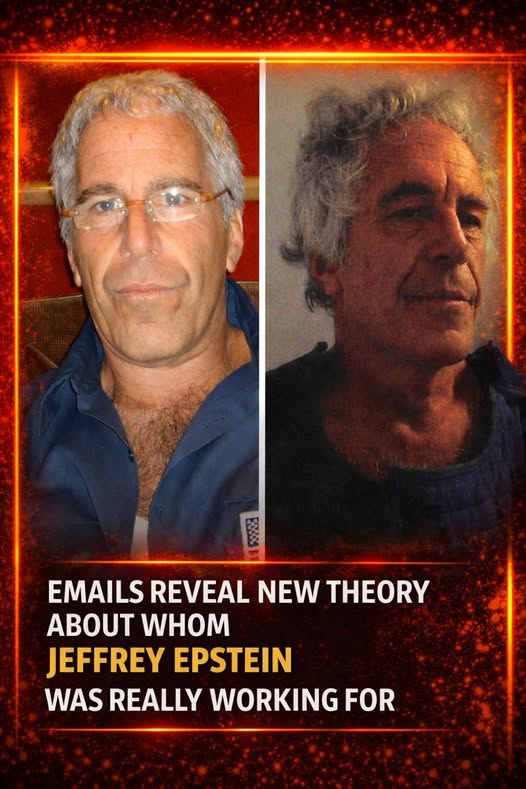
Recent disclosures of emails and correspondence linked to Jeffrey Epstein have reignited public scrutiny of a scandal that has never fully faded. The release of these documents has prompted renewed questions about abuse, secrecy, and the ways in which influence and authority shielded misconduct over decades.
The materials include references to global figures, political ideologies, and speculative ambitions. Names such as Vladimir Putin appear in the correspondence; however, investigators stress that mere mentions in emails do not constitute proof of meetings, coordination, or criminal involvement.
Legal experts emphasize a critical distinction: inclusion in these communications does not equate to evidence of wrongdoing. The documents released so far do not establish that any prominent individuals named were directly involved in Epstein’s crimes.
What the records do illustrate is Epstein’s careful cultivation of his own mythos. He portrayed himself as deeply enmeshed in wealth, politics, and global influence, often embellishing his access to powerful figures to enhance his status and create a protective aura.
This pattern aligns with long-held perceptions of Epstein’s behavior: he leveraged his proximity to power as a shield. His claims regarding finance, geopolitics, and connections to elites reflected ambition and self-promotion rather than verified facts.
Questions persist over whether Epstein might have had ties to intelligence operations. To date, no intelligence agency has confirmed such claims, and no court has determined that his abuse network functioned under state direction.
What is indisputably documented is narrower but profoundly disturbing. Epstein exploited vulnerable individuals for years, frequently with the assistance of Ghislaine Maxwell, who has been convicted for her role in the abuse. Epstein himself died before facing trial.
The newly released documents provide insight into how ambiguity and secrecy can protect power while allowing abuse to continue. They underscore that accountability depends on verified evidence rather than speculation, sensationalism, or denial.
Epstein’s correspondence highlights the enduring tension between perception and reality. While he projected an image of influence and global reach, the tangible evidence centers on his crimes and the manipulation of those around him. It serves as a reminder that even when surrounded by wealth and prominence, responsibility and justice rely on documented fact.
Ultimately, the records clarify less than they provoke, emphasizing the persistent gaps in understanding how privilege, deception, and silence intersected in Epstein’s life. They reinforce the importance of rigorous investigation, legal scrutiny, and a focus on verified wrongdoing rather than conjecture.
The revelations serve both as a warning and a call to action: societies must remain vigilant against the ways in which power can obscure abuse, and public accountability must always rest on demonstrable evidence. Epstein’s case remains a stark example of how influence, secrecy, and exploitation can intertwine—and why transparency and justice remain essential.