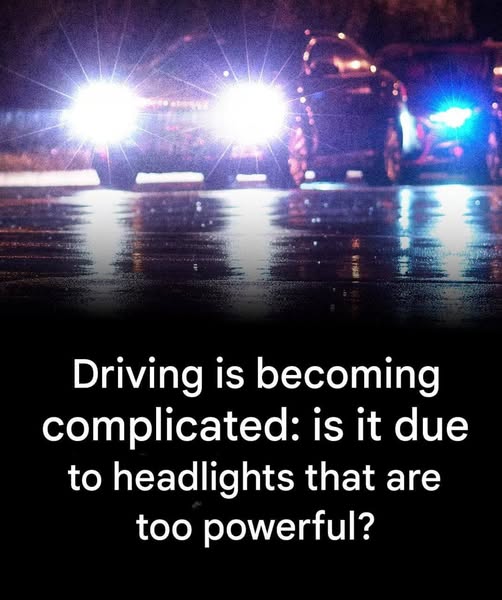
The glare hits without warning. One moment, the road ahead is clear; the next, a blinding stream of light from oncoming headlights seems to erase everything in front of you. Drivers instinctively tighten their grip on the wheel, wondering whether their eyes are failing—or if headlights are genuinely that harsh.
For millions of drivers each night, this unsettling experience is common. What often feels like a sudden vision problem is usually the result of changes in vehicle lighting technology combined with environmental and human factors. Understanding these dynamics can reduce eye strain, improve safety, and make nighttime driving far less stressful.
The Evolution of Vehicle Headlights
Headlights have undergone significant changes over the past century. For decades, incandescent halogen bulbs dominated, emitting yellowish light that scattered less in rain or fog and produced minimal glare.
In the late 1990s and early 2000s, high-intensity discharge (HID) lamps became popular. These brighter, whiter lights enhanced nighttime visibility but increased glare for oncoming drivers. Today, LEDs dominate new vehicles, offering energy efficiency, longer lifespans, and flexible designs. Yet the cooler color temperature, intense brightness, and focused beams of LEDs contribute to heightened glare.