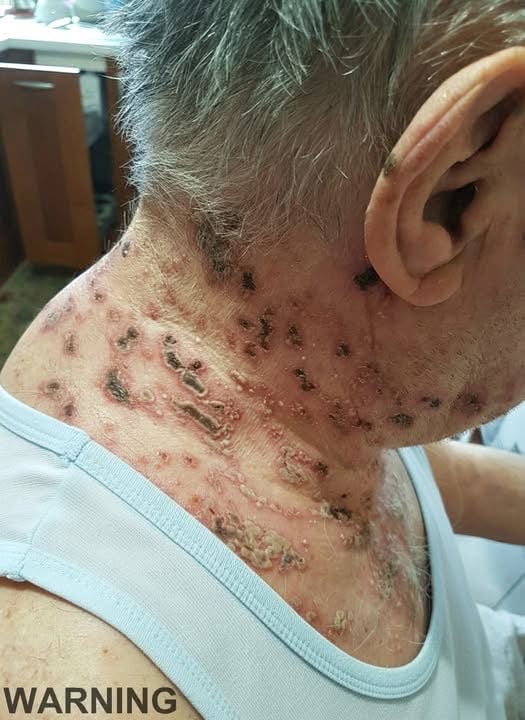
Herpes zoster, commonly known as shingles, is often described by healthcare professionals as a “silent predator.” This is no exaggeration. While many people think of shingles simply as a painful skin rash, the condition is, at its core, a neurological event. It represents the reactivation of the varicella-zoster virus, the same virus that causes chickenpox during childhood. After the initial infection resolves, the virus does not leave the body. Instead, it retreats into the sensory nerve ganglia, lying dormant for years or even decades until a moment of weakened immunity allows it to resurface. When shingles emerges, the consequences of delayed intervention can be severe and long-lasting.
Understanding the Early Signs
Shingles rarely announces itself with dramatic symptoms. Instead, it often begins subtly, in a phase known as the prodrome. During this period, patients may experience vague, localized sensations that are easily mistaken for other minor conditions. Common early symptoms include tingling, itching, burning, or sharp, stabbing pain along a specific path on one side of the body.