
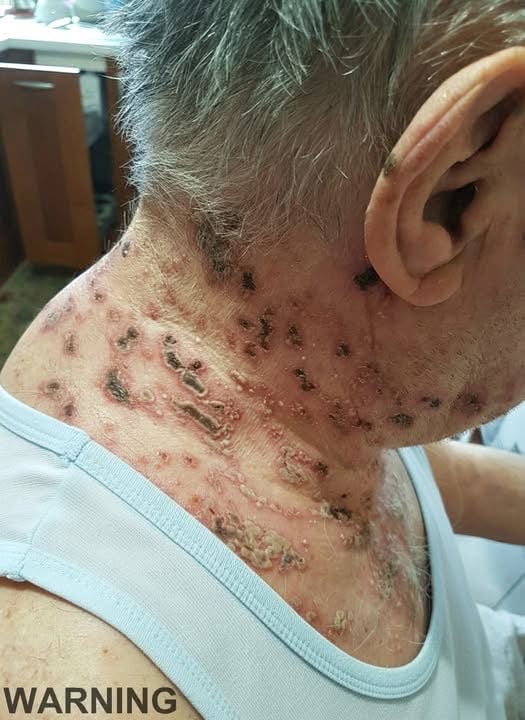
Herpes zoster, commonly known as shingles, is often described by healthcare professionals as a “silent predator.” This is no exaggeration. While many people think of shingles simply as a painful skin rash, the condition is, at its core, a neurological event. It represents the reactivation of the varicella-zoster virus, the same virus that causes chickenpox during childhood. After the initial infection resolves, the virus does not leave the body. Instead, it retreats into the sensory nerve ganglia, lying dormant for years or even decades until a moment of weakened immunity allows it to resurface. When shingles emerges, the consequences of delayed intervention can be severe and long-lasting.
Understanding the Early Signs
Shingles rarely announces itself with dramatic symptoms. Instead, it often begins subtly, in a phase known as the prodrome. During this period, patients may experience vague, localized sensations that are easily mistaken for other minor conditions. Common early symptoms include tingling, itching, burning, or sharp, stabbing pain along a specific path on one side of the body.
This one-sided distribution, known as a dermatomal pattern, is a defining characteristic of shingles. It occurs because the virus reactivates along a single nerve pathway. The early nerve irritation often precedes visible skin changes by several days, which can make initial recognition challenging. Individuals might attribute the discomfort to a muscle strain, insect bite, or mild skin irritation. Some seek treatment from chiropractors, dermatologists, or eye specialists, unaware that the viral infection is already progressing beneath the surface.
This silent onset is what gives shingles its reputation as a “stealthy” condition. Missing these initial signs can set the stage for more severe complications later.
The Critical 72-Hour Window
Medical professionals emphasize the importance of rapid intervention. The first 72 hours following the appearance of the shingles rash are considered a “golden window” for treatment. During this period, antiviral medications such as acyclovir, valacyclovir, and famciclovir can significantly alter the course of the illness.
These medications work by inhibiting viral replication, limiting the damage inflicted on nerve fibers, and reducing the duration of viral shedding. Early treatment helps the rash heal faster, diminishes the intensity of acute pain, and decreases the likelihood of the virus spreading to other sensitive areas of the body.
Timing is critical because shingles is more than a dermatological problem—it is a race against nerve inflammation. As the virus replicates, it triggers inflammation in the affected nerve fibers. Without intervention, this inflammation can cause permanent structural changes to the nervous system. For older adults, whose immune systems naturally decline through immunosenescence, and for individuals with weakened immunity due to chemotherapy, autoimmune conditions, or chronic stress, the stakes are even higher. Delayed treatment increases the risk of systemic complications and secondary bacterial skin infections.
Postherpetic Neuralgia: The Most Feared Complication
If the 72-hour window for antiviral therapy is missed, patients become vulnerable to postherpetic neuralgia (PHN), one of the most debilitating outcomes of shingles. PHN occurs when the nerve fibers are so damaged that they continue to send exaggerated pain signals to the brain, even after the rash has healed.
The pain associated with PHN is often described as burning, throbbing, or electric. In some cases, the skin becomes hypersensitive to the slightest touch. Even clothing brushing against the affected area or a gentle breeze can trigger severe discomfort. PHN can persist for months, years, or even a lifetime. It is a leading cause of depression and sleep disturbances in older adults, eroding quality of life and independence.
Location Matters: Specialized Risks
The location of shingles flare-ups can influence the severity of complications.
Herpes zoster ophthalmicus occurs when the virus reactivates along the ophthalmic nerve. This variant can result in painful eye inflammation, corneal scarring, and even permanent blindness if not treated promptly with antivirals and, in some cases, corticosteroids.
Ramsay Hunt syndrome develops when shingles affects the facial or auditory nerves, potentially causing facial paralysis and hearing loss.
These severe outcomes demonstrate why a “wait and see” approach is not advisable. The longer the virus is allowed to progress without treatment, the greater the risk of permanent nerve damage.
Early Recognition and Prevention
Public health campaigns now emphasize education as the primary defense against shingles. Recognizing the herald symptoms—localized tingling, burning, or itching on one side of the body—is essential. Healthcare providers advise that any unexplained, one-sided pain or sensitivity should prompt immediate evaluation. A false alarm from a minor rash or irritation is far preferable to ignoring early signs of a shingles outbreak.
Prevention has also advanced with the development of vaccines such as Shingrix. This vaccine stimulates the immune system to maintain vigilance against dormant varicella-zoster virus, substantially reducing the risk of reactivation and the likelihood of developing postherpetic neuralgia. For adults over 50 or those with weakened immune systems, vaccination is a critical preventive tool.
The Body’s Long Memory
Shingles illustrates the body’s enduring memory of childhood infections. The varicella-zoster virus can remain dormant for decades, awaiting the moment when the immune system falters. Its reemergence is a delicate interplay between viral aggression and immune defense. In shingles, timing is not just important—it can determine the difference between a brief, manageable illness and a lifetime of chronic nerve pain.
Medical experts stress urgency: the first tingling, itching, or rash is the signal to act. Immediate medical attention within the 72-hour window can protect the nervous system, shorten recovery, and prevent permanent complications. In essence, recognizing and responding quickly transforms shingles from a potentially devastating condition into a manageable health event.
Shingles may be silent at first, but when the virus reactivates, it demands swift recognition and decisive treatment. Awareness, vigilance, and timely intervention are the keys to ensuring that this silent predator does not turn into a lifelong source of pain.