
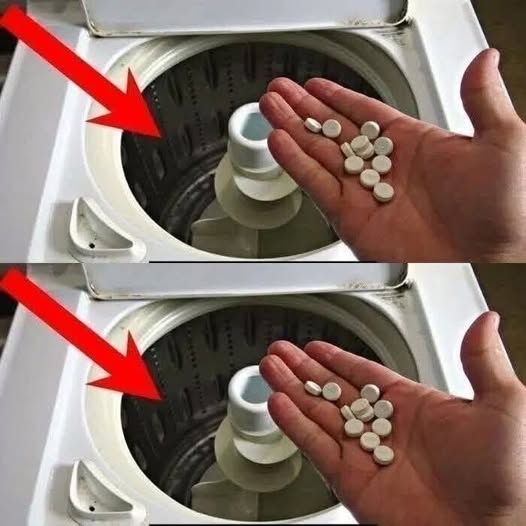
For generations, home cleaners have relied on a variety of tips and tricks passed down through word of mouth, many of which promise remarkable results with surprisingly simple methods. One of the more curious and enduring suggestions involves a common over-the-counter medicine: aspirin. The tip, often shared among thrifty homemakers and vintage clothing enthusiasts, goes something like this: “Add aspirin to your wash to brighten whites, remove stains, and revive dingy fabrics.”
At first glance, the idea seems almost too good to be true. How could a simple pain-relief tablet transform yellowed shirts or tired linens? Yet the advice has persisted for decades, appearing in old magazines, family handbooks, and online discussion forums devoted to natural or DIY cleaning techniques. The question remains: is there any scientific basis for this laundry hack, or is it purely anecdotal folklore?
The Aspirin Laundry Claim: What It’s Supposed to Do
Advocates of the aspirin method claim several benefits, particularly for white fabrics and items prone to staining. The typical assertions include:
Brightening yellowed whites: especially noticeable on collars, cuffs, table linens, and vintage garments.
Lifting sweat, deodorant, and body oil stains: helping to restore clothes worn during workouts or hot summer days.
Reviving faded colors: some users report subtle improvement in the brightness of lightly discolored garments.
Acting as a gentle booster: offering cleaning power without the harshness of chlorine bleach or aggressive chemicals.
The proposed mechanism behind this phenomenon is linked to aspirin’s active ingredient, acetylsalicylic acid. Aspirin is a mild acid, and the theory is that, in combination with water, it can help break down residues of body oils, sweat, or mineral deposits from water. This is similar to how certain acidic or enzymatic cleaning agents work to remove buildup and brighten fabrics.
What Science Actually Says
The effectiveness of aspirin in laundry is a bit more nuanced than the enthusiastic recommendations might suggest. Chemically, aspirin contains salicylic acid, which is known for its mild exfoliating and antimicrobial properties. While this explains some of its action on organic residues, it does not make it a substitute for conventional stain removers or bleach.
Several key considerations arise when testing aspirin as a laundry aid:
Temperature matters: Aspirin dissolves fully only in warm or hot water. If added directly to a cold wash, it may not break down properly and therefore has limited effect.
Quantity required: To see noticeable results on a full load of laundry, several tablets—typically four to six crushed—are needed. This can become expensive compared to more common and effective alternatives such as baking soda, white vinegar, or oxygen-based bleach.
Limited stain removal: Aspirin is not a disinfectant or heavy-duty stain remover. It may help with mild sweat or body oil stains but is unlikely to eliminate stubborn marks from grease, wine, blood, or set-in dirt.
Comparison to bleach: For brightening whites, oxygen-based bleaches like OxiClean or hydrogen peroxide remain more reliable and cost-efficient. These products are formulated specifically to target discoloration and organic stains without damaging fabrics.
Despite these limitations, anecdotal evidence continues to support aspirin’s utility. Vintage clothing collectors and homemakers often report success when using aspirin as a pre-soak for yellowed fabrics, particularly delicate or sentimental items like christening gowns, heirloom blouses, or special-occasion shirts. For these applications, aspirin is valued more for its gentle action than for outright stain destruction.
How to Use Aspirin for Laundry: Step-by-Step
For those intrigued by this old-school approach, there is a clear method to follow. The process is straightforward and can be adapted for small or delicate items.
Stain Soaking or Whitening
Crush the tablets: Use four to six uncoated aspirin tablets and crush them into a fine powder. The smaller the particles, the easier they will dissolve.
Dissolve in water: Combine the crushed aspirin with two to four cups of warm water. Ensure the temperature is sufficient to fully dissolve the powder without boiling.
Submerge garments: Place the yellowed or stained items into the solution. Make sure the fabric is fully immersed.
Soak: Allow the garments to soak for four to eight hours. For particularly stubborn discoloration, an overnight soak can increase effectiveness.
Wash as usual: After soaking, launder the items in your regular washing machine cycle with detergent.
This method is most effective for whites or light-colored fabrics. Users should exercise caution with delicate materials, testing a small hidden area first to ensure no adverse reaction occurs.
Additional Tips for Aspirin Laundry Success
Avoid coated tablets: Only use uncoated aspirin, as sugar-coated or gel versions may not dissolve properly and could leave residue.
Combine with detergent: Aspirin works best as a pre-soak rather than a replacement for detergent. After soaking, washing with your usual detergent ensures cleanliness and freshness.
Handle vintage fabrics gently: Aspirin is generally mild, but fragile textiles like lace, silk, or embroidered fabrics should be monitored closely to prevent damage.
Supplement with oxygen bleach if needed: For extreme yellowing or tough stains, a combination of aspirin pre-soak followed by a mild oxygen-based bleach wash can deliver noticeable improvement without harsh chemicals.
Why the Trend Persists
The aspirin laundry hack remains popular for several reasons. First, it offers a low-chemical alternative to traditional bleach, appealing to individuals concerned about fabric wear or environmental impact. Second, the method taps into nostalgia and “kitchen chemistry” culture, where household remedies and generational tips are celebrated. Finally, it provides an inexpensive, readily available solution for small stain problems when conventional cleaners may be unavailable.
Though modern detergents and stain removers have advanced significantly, there is a certain satisfaction in reviving a faded shirt or heirloom item with a handful of common tablets. The process evokes a sense of resourcefulness, patience, and connection to traditional homemaking techniques.
Practical Considerations
While the aspirin trick can work in specific scenarios, it is important to understand its limitations. Relying solely on aspirin for tough stains or heavily soiled loads is unlikely to yield professional-level results. Its strength lies in gentle pre-treatment and gradual brightening rather than full-scale laundry restoration.
For routine use, other household ingredients such as white vinegar, baking soda, lemon juice, and oxygen-based bleach are more versatile and efficient. These alternatives can treat a broader range of stains, are cost-effective, and require less soaking time.
Nonetheless, for a mild, accessible, and historically endorsed method, aspirin remains a surprisingly effective option for small-scale laundry brightening. Many users report success with yellowed whites, light stains, and delicate fabrics that require special care—especially those with sentimental or vintage value.
Conclusion
Aspirin in laundry is not a miracle solution, but it is far from useless. By understanding the science behind acetylsalicylic acid and tempering expectations, homemakers can use it strategically as a gentle stain pre-soak and whitening agent. While modern detergents and bleach products outperform aspirin in most cases, the classic method offers an affordable, low-risk, and occasionally effective tool for specific laundry challenges.
For those who enjoy DIY cleaning experiments or preserving vintage textiles, this old-fashioned tip continues to hold appeal, combining practicality with a touch of nostalgia. Whether it becomes a routine practice or an occasional experiment, aspirin in the wash remains a fascinating example of household ingenuity passed down through generations.