
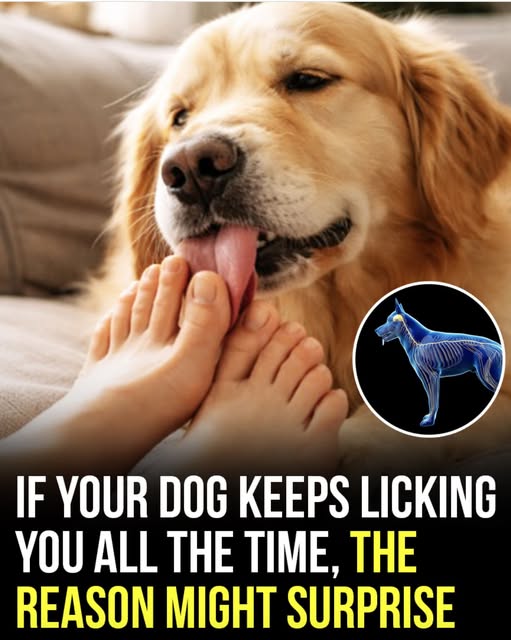
You’ve just settled in after a long day — feet up, warm drink in hand — when suddenly, your dog launches a full-on tongue attack straight at your face. Adorable? Absolutely. Annoying? Perhaps. Risky? In some cases, yes. But it also raises the question: why do dogs insist on licking our faces?
Face-licking is one of the quirkiest and most intimate ways dogs communicate. While it can feel like a messy greeting, it’s deeply rooted in instinct, social behavior, and even health-related factors. Understanding why your furry friend treats your cheeks like a tasty treat can help you appreciate — or manage — this behavior.
Instinct from Puppyhood
From the moment they are born, puppies explore the world with their mouths. One of the earliest behaviors observed is licking their mother’s face to stimulate regurgitation of food. While it may sound unappetizing to us, in the dog world, this is completely normal and vital for survival.
As dogs grow, that instinct often remains, even though adult dogs no longer rely on this behavior for nourishment. Licking your face taps into those early instincts, serving as a familiar, comforting action that carries over from their earliest social experiences.
Dogs Use Licking as a Social Language
Face-licking is more than leftover puppy habits; it’s a form of canine communication. Dogs use licking as a social tool — a way to signal peace or submission. When your dog licks your face, it might be saying: “I come in peace,” or simply, “I’m happy to see you.”
It can also be a sign of excitement, anxiety, or a desire to connect. Think of it like a gentle tap on the shoulder: a dog’s way of checking in on your emotional state. While it might feel like affection, it’s not romantic — dogs don’t experience romance as humans do. Their gestures are all about connection and interaction.
The Taste Factor
Humans taste salty; dogs taste curiosity. Sweat, leftover food, and natural skin oils make faces appealing to dogs. Taste and smell are closely intertwined in canines, so licking can sometimes be a sensory exploration as much as a gesture of affection.
In other words, your face isn’t just a target of attention — it’s a source of information, texture, and flavor that dogs naturally find interesting.
The “Kiss Effect” and Health Benefits
Believe it or not, those slobbery kisses might even offer benefits, particularly for children. The hygiene hypothesis suggests that early exposure to certain microbes helps train the immune system, potentially reducing risks of allergies and asthma. Kids who grow up around pets often develop stronger, more balanced immune responses.
Even prenatal exposure to dogs, or time spent with them in early childhood, can help shape immune development. The microbes transferred through a dog’s lick can influence the gut microbiome in ways that support long-term health. So while a face-lick might feel messy, it could be subtly contributing to a stronger immune system.
The Risks
Of course, there’s a flip side. A dog’s mouth is home to a wide variety of bacteria, many of which are unknown. While some of these bacteria may provide minor health benefits, others carry potential risks.
Capnocytophaga, for example, is a bacteria present in dog saliva that can, in rare cases, cause serious infections in humans. Another example, Pasteurella, can lead to infections, particularly in people with weakened immune systems, young children, or those who are prone to illness.
Face-licking is generally safe with healthy dogs, but caution is advised for vulnerable individuals, and it’s always wise to set boundaries if you’re uncomfortable.
How to Teach Alternatives
If face-licking isn’t your preference, redirection works effectively. Simple strategies include:
Turning away when the dog licks
Walking away to interrupt the behavior
Teaching a cue like “off” and rewarding calm behavior
Over time, your dog learns that licking your face doesn’t achieve the response they want, while calm, controlled interactions are reinforced.
Breeds Most Prone to Licking
While any dog may engage in face-licking, some breeds are known for their enthusiasm:
Labrador Retriever
Poodle
Golden Retriever
Dachshund
German Shepherd
Beagle
Corgi
Veterinarian John Burns, MBE, founder of Burns Pet Nutrition, notes that these breeds often display higher levels of affection through licking, making them especially prone to giving slobbery kisses.
Understanding the Behavior
Dogs don’t lick to assert dominance or mischief — they’re simply being dogs. Each lick combines instinct, curiosity, social communication, and affection. It’s a behavior layered with meaning and deeply ingrained in their nature.
For pet owners, recognizing the intention behind the behavior can transform a messy habit into a moment of connection. Occasional face-licks are generally harmless if your dog is healthy and well-cared-for. Regular vet visits, proper hygiene, and gentle boundaries ensure that the behavior remains safe and manageable.
Next time your dog goes in for a full-face lick, pause for a moment. You’re witnessing one of the many odd, sweet, and entirely dog-like ways they engage with their humans — a small gesture packed with instinct, curiosity, and affection