
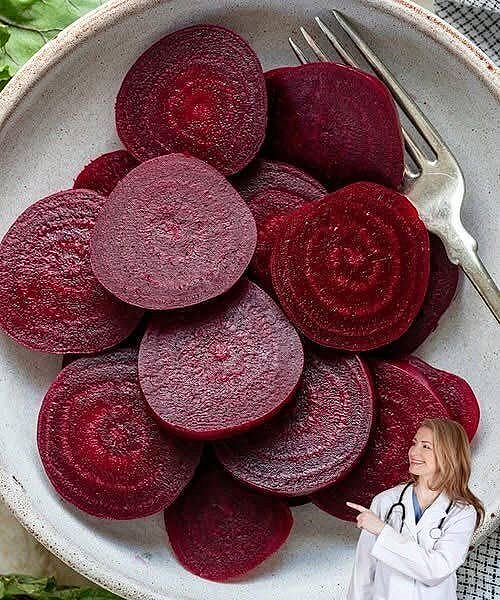
You have probably heard the phrase “Beets are a superfood.” The term is often overused in nutrition conversations, but in this case, the reputation is supported by substantial scientific evidence. Beets are rich in antioxidants, naturally occurring nitrates, dietary fiber, and folate, all of which contribute to measurable benefits for cardiovascular health, brain performance, digestion, and physical endurance.
Rather than relying on hype, research has increasingly clarified how beets affect the body, where their benefits are strongest, and where claims tend to go too far. When consumed regularly as part of a balanced diet, beets provide consistent and practical health advantages without requiring supplements or extreme dietary changes.
The Beetroot Effect: What the Evidence Supports
Beets have been studied extensively for their impact on blood flow, inflammation, exercise performance, and metabolic health. Their most powerful effects stem from nitrates and betalains, compounds that influence circulation, cellular protection, and digestive function. Below are seven benefits supported by scientific research, explained in clear and practical terms.
1. Supports Lower Blood Pressure
One of the most well-documented effects of beets is their ability to help reduce blood pressure.
Beets contain high levels of dietary nitrates. Once consumed, these nitrates are converted into nitric oxide, a molecule that relaxes and widens blood vessels. This process improves circulation and reduces resistance within the arteries.
Clinical research published in 2013 showed that consuming approximately 250 milliliters, or about 8 ounces, of beet juice resulted in a reduction of systolic blood pressure by 4 to 10 mmHg within three to six hours. The effect was observed relatively quickly and was consistent across multiple participants.
This benefit makes beets particularly valuable for individuals seeking dietary support for cardiovascular health, although they are not intended to replace prescribed treatments.
2. Enhances Physical Performance and Endurance
Beets have gained popularity among athletes for their ability to improve stamina and efficiency during exercise.
Nitric oxide plays a central role by improving oxygen delivery to muscles and reducing the amount of oxygen required during physical activity. This allows muscles to work more efficiently, especially during endurance-based exercise.
Studies involving cyclists demonstrated performance improvements of nearly 3 percent in time trials after consuming beet juice, along with reduced oxygen usage. Similar benefits have been observed in runners, swimmers, and older adults engaging in moderate physical activity.
These effects are most noticeable when beets or beet juice are consumed two to three hours before exercise, allowing time for nitrate conversion.
3. Supports Brain Health and Cognitive Function
The same circulation-enhancing properties that benefit the heart and muscles also affect the brain.
Nitric oxide improves blood flow to the frontal lobe, an area responsible for executive functions such as decision-making, focus, and memory. Improved blood delivery supports neural efficiency and may help preserve cognitive performance with age.
Research involving older adults found that participants who consumed beet juice displayed brain activity patterns more closely resembling those of younger individuals during cognitive tasks. This suggests that beets may help support brain function, particularly in aging populations or those experiencing sustained mental demands.
4. Helps Reduce Inflammation and Oxidative Stress
Beets are rich in betalains, the pigments responsible for their deep red and purple hues. These compounds act as potent antioxidants.
Betalains help neutralize free radicals, reducing oxidative stress and inflammation at the cellular level. Chronic inflammation is associated with conditions such as heart disease, arthritis, and certain cancers.
Research indicates that betalains may lower markers of inflammation when consumed regularly. Raw, roasted, or lightly cooked beets tend to retain the highest concentration of these beneficial compounds.
5. Promotes Digestive and Gut Health
Dietary fiber is another key component of beets. One cup of cooked beets provides approximately 3.4 grams of fiber, supporting healthy digestion.
Fiber nourishes beneficial gut bacteria, contributing to a balanced microbiome. A healthy gut environment is linked to improved immune response, mood regulation, blood sugar control, and metabolic health.
In addition, fiber slows digestion, helping stabilize blood glucose levels and promoting a feeling of fullness that can support appetite regulation.
6. Supports the Body’s Natural Detox Processes
Beets play a supportive role in the body’s built-in detoxification systems, particularly the liver.
Betalains have been shown to activate enzymes involved in processing and eliminating toxins. While most research in this area comes from animal studies, results suggest improved liver function and protection against oxidative damage.
Beets do not remove toxins directly, but they assist organs already responsible for detoxification. This makes them a useful addition to a diet focused on overall metabolic health rather than extreme cleansing practices.
7. Provides Essential Vitamins and Minerals
Beyond their functional compounds, beets deliver a wide range of essential nutrients that contribute to overall health.
A single serving of beets provides approximately:
Folate (Vitamin B9): 37 percent of daily requirements, supporting cell growth and healthy development during pregnancy
Manganese: 22 percent, contributing to bone health and metabolic processes
Potassium: 11 percent, essential for fluid balance, muscle contractions, and nerve signaling
Iron: 6 percent, supporting oxygen transport in the blood
These nutrients work together to support energy production, cellular repair, and long-term wellness.
Common Claims That Do Not Hold Up
Despite their benefits, beets are often credited with effects that are not supported by evidence.
Claims that beets cure cancer are not supported by human studies. While antioxidants may reduce cancer risk factors, they do not function as treatments.
Beet juice does not directly burn fat. Although beets are low in calories, juicing removes much of the fiber and may increase blood sugar spikes.
Beets do not flush toxins from the kidneys. They support kidney health but rely on the body’s natural filtration systems.
Beets alone do not guarantee improved skin appearance. Skin health depends on hydration, nutrition, sleep, and overall lifestyle.
Important Health Considerations
Some individuals may notice red or pink urine or stool after consuming beets, a harmless condition known as beeturia that affects up to 14 percent of people.
Beets are high in oxalates, which can contribute to kidney stone formation in susceptible individuals. Moderation is recommended for those with a history of kidney stones.
Because beets can lower blood pressure, individuals with hypotension should monitor intake carefully.
Beets may also enhance the effects of blood pressure medications or PDE5 inhibitors, making awareness of potential interactions important.
Practical Ways to Include Beets in a Balanced Diet
Beets are versatile and easy to prepare in many forms.
Raw beets can be grated into salads or blended into smoothies, offering the highest nitrate content.
Roasted beets develop a naturally sweet flavor when tossed with olive oil and herbs and cooked at high heat.
Juiced beets pair well with apple, ginger, or lemon to balance their earthy taste.
Pickled beets add tang and probiotics, though sodium levels should be considered.
Traditional soups such as borscht combine nutrition with comfort and cultural tradition.
Pairing beets with vitamin C–rich foods like citrus fruits or bell peppers may help improve nitrate absorption.
A Root Vegetable with Lasting Benefits
Beets are not a cure-all, but they are consistently effective. Their benefits accumulate quietly through regular consumption rather than dramatic short-term results. Incorporating beets into meals does not require powders, supplements, or extreme routines.
When eaten as part of a varied, whole-food diet, beets support heart health, brain function, digestion, and physical performance in measurable ways.
True wellness is built through simple habits repeated over time. Beets offer a practical example of how ordinary foods can deliver extraordinary value when chosen with intention.