
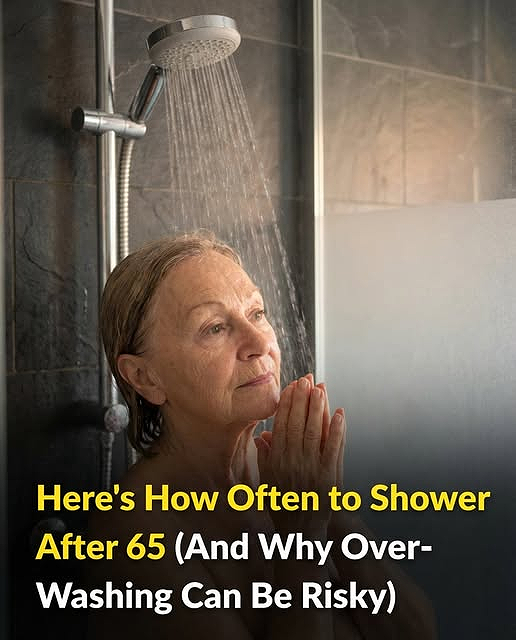
If you are over 65 and have noticed that your skin feels drier, itchier, or more sensitive than it once did, this change is not imagined—and it is not necessarily a problem with your moisturizer. Many older adults continue the same shower habits they developed decades earlier, believing that daily hot showers are essential for cleanliness and comfort. However, as the body ages, the skin undergoes subtle but important changes that make it more vulnerable to irritation. What once felt refreshing and beneficial can gradually begin to work against skin health, leading to tightness, flaking, and discomfort even when good hygiene is being maintained.
Aging skin behaves differently than younger skin. Over time, it becomes thinner, less elastic, and slower to repair itself. The natural oil production that once helped protect and hydrate the skin decreases steadily. These oils play a key role in forming the skin’s protective barrier, which locks in moisture and shields against environmental stress. When that barrier weakens, the skin loses water more easily and becomes more reactive to everyday exposures.
Frequent showering, particularly with hot water, can accelerate this process. While warm water helps remove dirt and sweat, prolonged exposure to heat strips away the limited natural oils aging skin still produces. When this happens repeatedly, the skin is left unprotected and unable to maintain proper hydration. The result is often dryness that feels persistent and difficult to relieve, even with regular lotion use.
How Common Shower Habits Can Contribute to Skin Problems
Daily showering became widely popular during adulthood for many people now over 65, often associated with cleanliness, energy, and routine. However, habits that worked well in earlier decades may no longer suit the skin’s current needs.
Hot water is one of the most common contributors to dryness. It dissolves oils more effectively than lukewarm water, leaving the skin’s surface exposed. Long showers compound the issue by increasing the duration of oil loss. Strong soaps and body washes, especially those with heavy fragrances or antibacterial ingredients, can further weaken the skin’s protective layer.
Scrubbing is another factor. Washcloths, loofahs, and exfoliating tools may feel invigorating, but they can cause micro-irritation on thinner, more fragile skin. Over time, repeated friction can lead to redness, sensitivity, and a burning or itchy sensation that seems to appear without a clear cause.
These effects often develop gradually. Skin may feel normal one week and uncomfortably dry the next, making it difficult to connect the symptoms to long-standing habits.
Why Aging Skin Needs a Gentler Approach
After 65, skin loses its ability to bounce back quickly. Healing slows, moisture retention declines, and sensitivity increases. This means that skin does not recover as easily from frequent washing or exposure to drying conditions.
Many skin care professionals agree that cleanliness does not require full-body showering every day for most older adults. For individuals who are not engaging in heavy physical activity or sweating excessively, showering every other day—or even a few times per week—can be sufficient to maintain hygiene.
On non-shower days, targeted cleansing often works well. Washing the face, hands, underarms, and other areas prone to odor can keep the body feeling fresh without exposing the entire skin surface to drying conditions. This approach helps preserve natural oils while still supporting comfort and cleanliness.
Water Temperature and Shower Length Matter
Adjusting water temperature is one of the simplest and most effective changes. Lukewarm water cleans just as effectively as hot water while being far less damaging to the skin’s protective barrier. It also reduces redness and irritation, especially for those with sensitive or thinning skin.
Keeping showers shorter is equally important. A brief shower limits the amount of oil removed from the skin and reduces moisture loss. Even a few minutes less can make a noticeable difference over time.
These small changes often lead to improved comfort without sacrificing the feeling of being clean and refreshed.
Choosing the Right Cleansers
The products used during bathing play a major role in how skin feels afterward. Many popular soaps and body washes are designed for younger skin and focus on strong cleansing rather than moisture support.
For older adults, gentle cleansers are often a better choice. Fragrance-free or low-fragrance options reduce the risk of irritation. Moisturizing cleansers that contain ingredients designed to support hydration can help compensate for reduced natural oil production.
Using soap only where it is truly needed—such as underarms and areas prone to odor—can also protect the rest of the skin from unnecessary drying. The entire body does not require heavy cleansing every day.
The Importance of Moisturizing at the Right Time
One of the most effective habits for aging skin is applying moisturizer immediately after bathing. When the skin is still slightly damp, it is more receptive to hydration. Moisturizer applied at this stage helps seal in water before it evaporates, supporting better moisture retention throughout the day.
Richer creams or ointments often work better than lightweight lotions for older skin. These thicker products form a protective layer that slows water loss and reduces dryness. Consistent use can significantly improve comfort, smoothness, and overall skin appearance.
Patting the skin dry instead of rubbing also helps minimize irritation. Towels can be rough on delicate skin, and gentle handling reduces unnecessary stress on the surface.
Balancing Comfort, Routine, and Personal Preference
Showering habits are deeply personal. For many people, daily showers are tied to comfort, relaxation, or a sense of routine. There is no single rule that fits everyone, and daily showers are not inherently harmful if done carefully.
For those who prefer showering every day, the key is balance. Shorter showers, lukewarm water, gentle cleansers, and minimal scrubbing can reduce the drying effects. Focusing soap use only on essential areas and moisturizing immediately afterward helps protect the skin while maintaining daily comfort.
Aging does not mean sacrificing cleanliness. It simply means adapting routines to support the skin’s changing needs.
Recognizing When Skin Needs Extra Attention
Persistent dryness, itching, or redness should not be ignored. While these symptoms are common with age, they can worsen if daily habits continue to strain the skin. Making gradual adjustments often brings relief within weeks.
If discomfort continues despite gentler routines, professional guidance may be helpful. Sometimes underlying conditions or environmental factors contribute to ongoing irritation. Paying attention early can prevent more serious skin issues from developing.
Small Changes That Make a Big Difference
For many adults over 65, improving skin comfort does not require expensive products or drastic lifestyle changes. Simple adjustments—less frequent full-body showers, lower water temperature, gentler products, and timely moisturizing—often provide meaningful results.
Understanding how skin changes with age helps remove frustration and confusion. Dryness and sensitivity are not signs of poor hygiene or neglect. They are natural responses to aging skin being treated the same way it was decades earlier.
With thoughtful care and a few practical changes, staying clean can remain refreshing and comfortable—without leaving the skin tight, itchy, or irritated afterward.