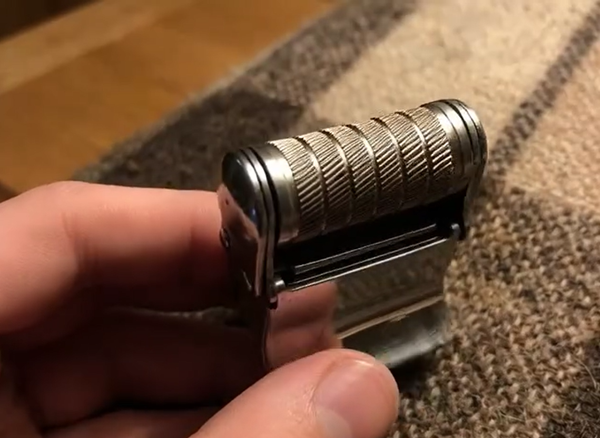
In the broader history of personal grooming, few devices reflect the inventive confidence of the mid-20th century as clearly as the Rally Dry Shaver. Emerging during a period defined by mechanical optimism and consumer experimentation, the device represented more than a simple attempt to remove facial hair. It embodied a cultural moment when everyday routines were viewed as opportunities for reinvention, efficiency, and progress through design.
The decades spanning the 1940s through the 1960s were marked by sweeping technological change. Industrial growth, postwar prosperity, and expanding consumer markets fueled a belief that innovation could—and should—improve nearly every aspect of daily life. Household appliances, transportation, entertainment, and personal care products were redesigned with an emphasis on speed, convenience, and modern aesthetics. Grooming, particularly shaving, became a focal point for this wave of ingenuity.