
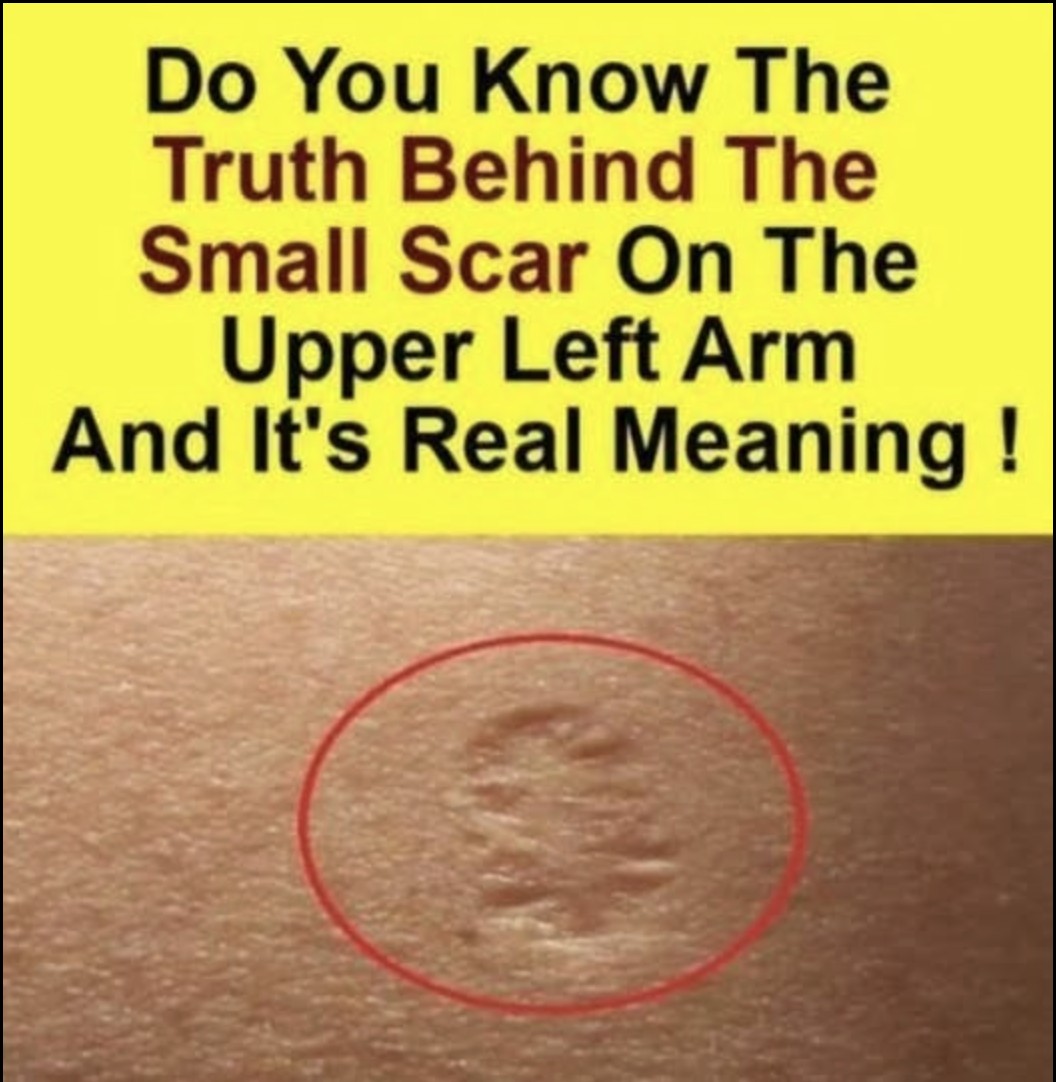
For many of us, a glance at an older relative can reveal traces of history etched onto their skin—quite literally. One of the most recognizable reminders of past public health efforts is the smallpox vaccine scar, a mark carried by millions of people born before the 1970s.
I first noticed this as a child on my mother’s arm. High on her shoulder, a ring of tiny indents surrounded a larger central mark. At the time, it piqued my curiosity, though I never fully retained the explanation. It wasn’t until years later, when I glimpsed a similar scar on an elderly woman I helped off a train, that my fascination resurfaced. A quick call to my mother confirmed what I had long forgotten: the mark was from her smallpox vaccination.
Smallpox: A Deadly Disease
Smallpox was once one of the most feared viral diseases in human history. The virus caused a severe skin rash, high fever, and in the 20th century alone, killed approximately 30% of those infected, according to the Centers for Disease Control and Prevention (CDC). Survivors often bore disfiguring scars, a cruel reminder of the disease’s impact.
The widespread introduction of the smallpox vaccine dramatically changed the trajectory of the disease. By 1952, smallpox was declared extinct in the United States, and routine vaccination programs continued until 1972, after which the vaccine was largely phased out for children.
Why the Vaccine Left a Scar
Unlike most modern vaccines administered with a simple injection, the smallpox vaccine was delivered using a unique technique. A two-pronged needle punctured the skin multiple times to introduce the live vaccinia virus into the dermis, the layer just beneath the epidermis.
Once introduced, the virus replicated locally, triggering an immune response. Small, round bumps formed at the injection site, eventually developing into vesicles (fluid-filled blisters). Over time, these vesicles burst and formed scabs. When the scabs healed, they left behind the familiar circular scar, a permanent marker of immunity.
This mark wasn’t merely cosmetic—it was a visible signal that the person had received the vaccine and was protected against smallpox, functioning almost like an early “vaccine passport.”
A Lasting Historical Reminder
Today, the smallpox vaccine scar is a reminder of a remarkable public health achievement. It serves as a symbol of how vaccination programs can eliminate deadly diseases and leave a lasting impact, both medically and culturally. While many younger generations may never have seen one firsthand, for those born before the 1970s, it is a familiar mark of resilience.
For parents, grandparents, and elders, that small mark on the shoulder carries decades of medical history, scientific progress, and survival. It’s a subtle but powerful testament to how a simple vaccine can change the course of human life.
Next time you notice that tiny ring of indents on someone’s arm, remember: it’s more than a scar—it’s a story of protection, endurance, and triumph over one of humanity’s most fearsome diseases.