
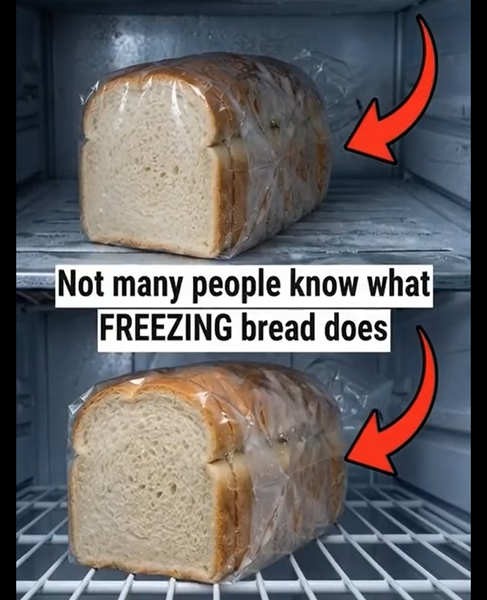
For families with growing children or busy schedules, bread often disappears faster than any other grocery item. Sandwich loaves vanish by mid-morning, hamburger buns are gone after lunch, and bagels or muffins can disappear before dinner. Constantly buying fresh bread is not only costly but can also lead to waste if leftovers become stale.
Freezing bread offers a simple, cost-effective solution. It allows households to buy in bulk, save money, reduce waste, and always have fresh bread ready for breakfast, packed lunches, or last-minute meals. However, freezing incorrectly can cause slices to stick, become dry or tough, or accumulate frost. Understanding proper techniques ensures your bread stays soft, flavorful, and easy to use.
Step 1: Start With Fresh Bread
The key to successful freezing begins with freshness. Bread should be frozen as soon as possible after baking or purchase, before it begins to stale. Fresh bread contains moisture that helps preserve softness and flavor.
Pre-Sliced Loaves: Slices thaw faster and more evenly.
Unsliced Loaves: Slice evenly using a serrated bread knife, aiming for ¾–1 inch per slice. Even slicing prevents some pieces from thawing unevenly while others remain frozen. Dense breads like sourdough, rye, or multigrain benefit from slicing for easier portioning.
Step 2: Pre-Freeze Slices to Prevent Sticking
Continue Reading →