
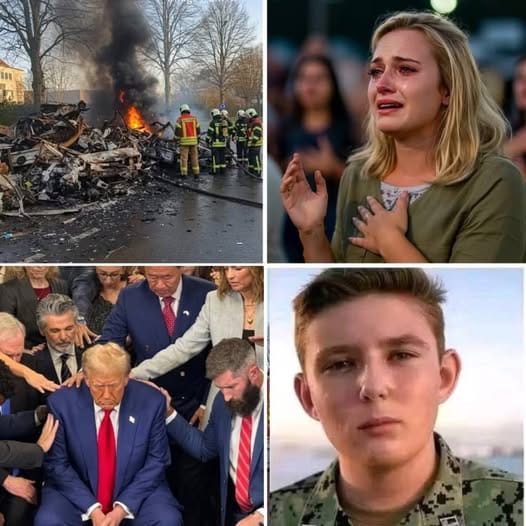
The Middle East entered a new phase of crisis over the weekend after U.S. forces launched strikes on three Iranian nuclear facilities in coordination with Israel, marking one of the most significant American military actions in the region in recent years.
Trump’s Announcement
President Donald Trump addressed the nation from the White House, describing the strikes as “completely and totally obliterating” the sites, though Pentagon officials later clarified that while damage was severe, full destruction remains under assessment.
“Iran, the bully of the Middle East, must now make peace. If they do not, future attacks will be far greater and much easier,” Trump warned, signaling a readiness to escalate further.
The decision marked a sharp shift from recent statements suggesting a window for diplomacy.
The Strikes
The Pentagon confirmed that Fordo, Natanz, and Isfahan were targeted using cruise missiles and over a dozen 30,000-pound bunker-buster bombs.
-
Natanz and Isfahan sustained significant damage.
-
Fordo, heavily fortified, was damaged but not fully destroyed.
Officials cautioned that Iran may retain some nuclear enrichment capacity.
Iran’s Response
Tehran condemned the attacks, accusing the U.S. of undermining diplomatic efforts. Iranian Foreign Minister Abbas Araghchi warned that the country reserves all options to defend its interests, stopping short of specifying retaliatory measures.
Hours later, Iran launched missiles toward Israel, injuring at least 16 people, in a continuation of hostilities since June 13.
Regional Fallout
The region is now on high alert, with over 40,000 U.S. troops stationed across Middle Eastern bases. While Iran’s medium-range missile stockpile is reportedly limited, its arsenal of rockets, drones, and other weapons still poses a threat.
Israel welcomed U.S. involvement, with Prime Minister Benjamin Netanyahu praising the strikes as a demonstration of joint resolve between the two allies.
Diplomatic Consequences
European leaders expressed frustration, noting the strikes have derailed ongoing negotiations. Analysts warn that cornering Iran may embolden hardliners and reduce prospects for diplomacy. The United Nations Security Council is expected to hold an emergency session to address the escalating conflict.
Escalation Risks
Military analysts caution that the U.S. intervention represents a major escalation, potentially triggering a wider regional war. There is concern that Iran’s leadership may now prepare for prolonged confrontation rather than negotiation.
The cycle of strikes and counterstrikes could intensify, with both U.S. and Israeli forces on high alert for missile, drone, or cyberattacks.
The Road Ahead
The coming days will determine whether Iran launches a large-scale counterattack, prompting a strong U.S. response, or opts for limited retaliation, leaving room for back-channel diplomacy.
For now, the region remains on a knife’s edge, with military action having sidelined diplomacy and the future of the Middle East uncertain.