
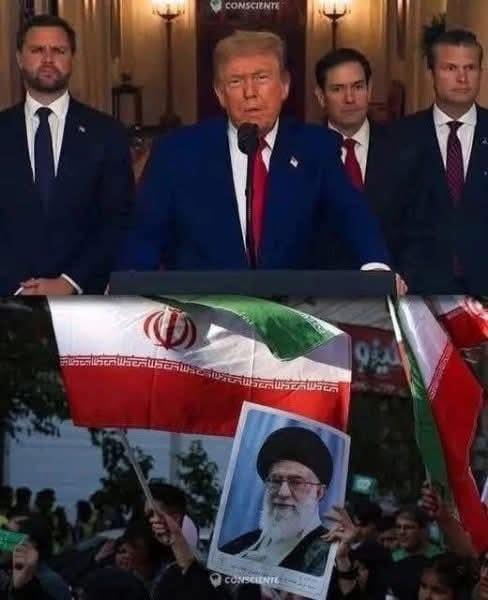
The year 2025 has brought renewed tension to the Middle East, as Israel faces a surge of attacks that have reignited fears about regional stability and civilian safety. Reports over recent weeks indicate a coordinated escalation, with air raid sirens sounding across multiple cities and explosions confirmed near border areas. Analysts suggest that Iranian-backed groups may be behind the assaults, reflecting a broader campaign to pressure Israel both militarily and politically.
Recent Attacks and Civilian Impact
Israeli cities have experienced repeated alerts, and civilians have been forced to seek shelter. Schools in some regions have temporarily closed, and the Israel Defense Forces (IDF) have mobilized additional units to respond to threats. The attacks are more than sporadic incidents—they appear sustained and strategically timed, prompting concerns about a larger coordinated effort.
Iran’s Role
Tehran’s influence in the region is significant, having long supported proxies in Lebanon, Syria, and Gaza. In early 2025, Iranian officials declared intentions to respond to perceived regional aggression, and intelligence reports suggest these latest attacks may be part of that strategy. Analysts warn that Iran could also be testing Israel’s—and potentially the United States’—resolve, with unverified claims hinting at possible broader strikes against U.S. interests.
Israel’s Response
Israel has reacted with decisive measures, including targeted airstrikes against suspected militant positions in Gaza and southern Lebanon. Government officials have reassured citizens, emphasizing resilience and the readiness to defend the nation. Emergency protocols remain in place in conflict-adjacent areas, with shelters operating and first responders on high alert.
Regional and Global Implications
The conflict has consequences far beyond Israel. Escalation risks drawing in the United States, European allies, and neighboring countries. Washington has reaffirmed its commitment to Israel’s security, while European nations urge restraint to prevent a broader war. The United Nations has called for an immediate ceasefire, though such appeals face challenges amid active hostilities.
For civilians—Israeli, Palestinian, Lebanese, and others—the situation is one of heightened fear and uncertainty, with daily life disrupted by violence beyond their control.
Historical Context
Israel has confronted existential threats since its founding in 1948, enduring multiple wars and decades of attacks from militant groups. While the cycle of conflict is familiar, the current surge is alarming due to its apparent coordination and potential Iranian involvement, raising the specter of a larger regional or even global escalation.
What Comes Next
Israel remains on high alert, and citizens are urged to follow safety guidelines. The course of events will depend on diplomatic efforts and the willingness of both Israel and its adversaries to avoid further escalation. The international community faces the challenge of supporting Israel’s defense while striving to prevent another all-out war.
Conclusion
The attacks against Israel in 2025 underscore the fragility of peace in the region. For Israelis, it is another test of resilience; for the world, it is a moment requiring careful diplomacy and vigilance. Whether this situation remains a limited flare-up or evolves into something more extensive remains uncertain, but the eyes of the global community are firmly on Israel as events continue to unfold.