
The skin in the groin area takes on more friction, sweat, and stress than almost any other part of the body. Tight clothing, heat, hair removal, and constant movement make it vulnerable to irritation. While discomfort in this sensitive region can feel alarming, most causes are simple and easily managed once identified. Recognizing the signs early and caring for your skin properly can prevent lasting discomfort and embarrassment.
One of the most common culprits is ingrown hairs, which form when shaved or waxed hairs curl back under the skin instead of growing outward. This can create small, red, itchy bumps that sometimes swell or become painful. Picking or squeezing them usually makes matters worse. Instead, apply warm compresses several times a day to soften the skin and help the trapped hair surface naturally. Light exfoliation and loose-fitting clothing can ease irritation, while taking a short break from shaving gives the skin time to heal.
Another frequent issue is folliculitis, an infection of the hair follicles that appears as clusters of tiny pimples or whiteheads. It often develops after shaving, wearing tight clothing, or spending time in hot tubs or pools that contain bacteria or yeast. Mild cases typically clear with antibacterial washes and over-the-counter antibiotic creams. More persistent infections may require prescription medication. If the condition keeps returning, it’s worth consulting a dermatologist to check for resistant bacteria or yeast overgrowth.
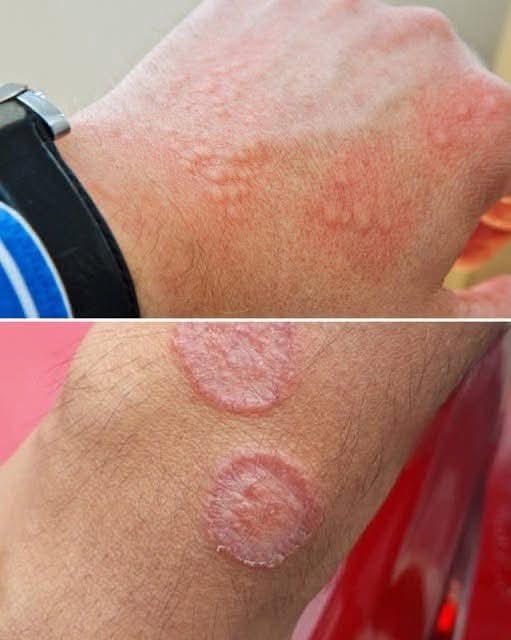
Some irritation presents as red, scaly patches that spread along the inner thighs with clearly defined edges — a hallmark of jock itch (tinea cruris). This fungal infection thrives in warm, moist environments, especially after workouts or long days in non-breathable fabrics. Consistent use of antifungal creams, powders, or sprays usually clears it up within one to two weeks. To prevent recurrence, continue treatment for an extra week after symptoms fade and keep the area clean, dry, and ventilated.