
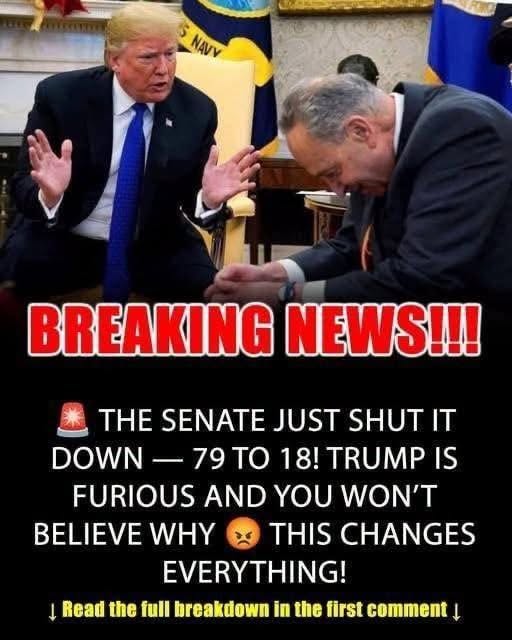
Senate Rejects Proposal to Block Major Weapons Transfer to Israel
The topic of Senate Rejects Proposal raises many questions. The United States Senate delivered a decisive verdict this week on a proposed resolution that sought to halt a significant arms package destined for Israel. The measure, introduced by independent Senator Bernie Sanders of Vermont, was voted down by an overwhelming margin of 79 to 18, effectively clearing the path for the transfer of roughly $20 billion in military equipment to proceed without congressional interference.
The vote represented a clear and forceful statement from the legislative body, signaling strong bipartisan support for continuing the long-standing military relationship between the two nations. The outcome was not a close call by any standard, as lawmakers from both sides of the aisle united to reject the effort to block the sale.
A Solitary Push Against the Grain
Senator Sanders found himself in a distinct minority as he campaigned vigorously for the resolution. His argument centered on the belief that the United States should not be supplying weapons to a nation engaged in a conflict that has resulted in a staggering humanitarian toll. The Senator’s push came against a backdrop of graphic imagery emerging from the conflict zone, depicting destroyed medical facilities and a rising civilian death count.
The independent lawmaker has been a vocal critic of the military campaign, frequently citing the high number of casualties reported by local health authorities. His effort to force a vote on the arms sale was seen as a last-ditch attempt to use the levers of congressional power to alter the course of U.S. foreign policy regarding the conflict.
Despite his impassioned pleas and the gravity of the situation on the ground, the proposal failed to gain traction among his colleagues. The 79-18 vote demonstrated that the vast majority of senators were unwilling to intervene in the arms transaction, choosing instead to uphold the existing policy framework that has governed U.S.-Israeli military cooperation for decades.
The Scope of the Arms Package
The military sale in question is one of the largest proposed transfers in recent memory. Valued at approximately $20 billion, the package includes a variety of advanced weaponry, including fighter jets and sophisticated munitions. Proponents of the sale argue that it is essential for maintaining Israel’s qualitative military edge in a volatile region.
Supporters of the transfer contend that the equipment is necessary for the nation’s self-defense capabilities against a range of security threats. They argue that the strategic alliance between Washington and Jerusalem is a cornerstone of American foreign policy in the Middle East, and that undermining it would have far-reaching consequences for regional stability.
The approval process for such a large-scale transfer is complex, involving multiple layers of review within the executive branch. The Senate vote was a critical hurdle, and with the resolution now defeated, the administration is free to proceed with the formal notification and delivery process for the equipment.
Humanitarian Concerns Take Center Stage
The debate leading up to the vote was marked by intense discussion over the humanitarian situation in the conflict zone. Senator Sanders and other supporters of the resolution pointed to the mounting death toll, which has reportedly surpassed 43,000 people. They also highlighted the widespread destruction of civilian infrastructure, particularly hospitals and schools, which they argue constitutes a moral crisis.
Critics of the arms sale contend that by continuing to supply weapons, the United States is becoming complicit in what they describe as a moral disaster. They argue that the sheer scale of civilian casualties necessitates a reassessment of the military relationship, urging lawmakers to consider the human cost of the conflict.
The imagery emerging from the region has been difficult to ignore, with reports of children being killed and medical facilities being reduced to rubble. These reports have fueled protests and calls for action from various advocacy groups and international observers, adding pressure on lawmakers to take a stand.
Arguments for Continued Military Support
On the other side of the debate, defenders of the arms sale argued that the weapons are not the root cause of the civilian casualties. They contend that the conflict is complex and that the blame lies with the tactics of militant groups who operate within densely populated areas, using civilians as human shields.
Lawmakers who voted against the resolution emphasized the importance of standing by an ally in a time of war. They argued that the United States has a strategic interest in ensuring that Israel can defend itself against hostile forces, and that withholding weapons would only embolden its adversaries.
There was also a procedural argument made by some senators, who expressed concern that blocking a specific arms sale through a resolution of disapproval would set a dangerous precedent. They argued that such matters are best handled through the normal diplomatic and military review channels, rather than through the blunt instrument of a legislative vote.
Bipartisan Consensus on Display
The final tally of 79-18 highlighted a rare moment of bipartisan consensus in a deeply divided Congress. Both Republicans and a significant number of Democrats joined forces to defeat the measure, demonstrating that support for the military relationship transcends party lines.
This show of unity suggests that despite growing criticism from progressive factions within the Democratic Party, the traditional alliance remains firmly entrenched in the broader political establishment. The vote sends a clear signal to both domestic and international audiences that the United States is not likely to alter its policy in the near term.
The lopsided nature of the vote also serves as a rebuke to the more vocal elements of the anti-war movement, who had hoped that the mounting casualty figures would sway public opinion and, by extension, congressional action. For now, those hopes have been dashed.
Implications for Future Policy
The outcome of this vote is likely to have significant implications for the ongoing conflict and for future attempts to influence U.S. policy through congressional action. It demonstrates the difficulty of using the legislative branch to override established executive branch decisions on foreign arms sales.
For Senator Sanders and his allies, the defeat is a setback, but they have indicated that they intend to continue their efforts to raise awareness about the humanitarian situation. The issue is unlikely to disappear from the political agenda, particularly if the casualty figures continue to rise.
The vote also serves as a benchmark for measuring the political climate surrounding the issue. It provides a clear indication of the level of support for the current approach within the Senate, and it may influence how the administration proceeds with future military assistance requests.
International Reaction and Domestic Response
The decision by the Senate is being watched closely by international observers, many of whom have called for a ceasefire and a negotiated settlement to the conflict. The vote may be seen by some nations as a signal that the United States is not willing to exert pressure on its ally to change its military tactics.
Domestically, the vote has sparked renewed debate among the public. While many Americans support the alliance with Israel, there is a growing segment of the population that is troubled by the images of destruction and the rising death toll. This tension is likely to play out in the political arena in the coming months.
Advocacy groups on both sides of the issue have responded to the vote with statements, some praising the Senate for its steadfast support of an ally, and others expressing deep disappointment and frustration. The divide in public opinion mirrors the broader debate over America’s role in the conflict.
Senate Rejects Proposal: Looking Ahead
With the resolution now defeated, the focus shifts to the execution of the arms transfer. The equipment will be delivered over a period of several years, and the transaction will continue to be a subject of scrutiny. The debate over the wisdom of the sale is unlikely to end with this vote.
The conflict itself remains a source of global concern, with no clear end in sight. The humanitarian situation continues to deteriorate, and the international community remains divided on how to respond. The Senate’s decision adds another layer to this complex and tragic situation.
For now, the status quo remains in place, and the arms sale will proceed. The 79-18 vote stands as a definitive statement of where the majority of the Senate stands on the issue, at least for the time being. The coming weeks and months will reveal whether this stance will shift in response to evolving events on the ground.