
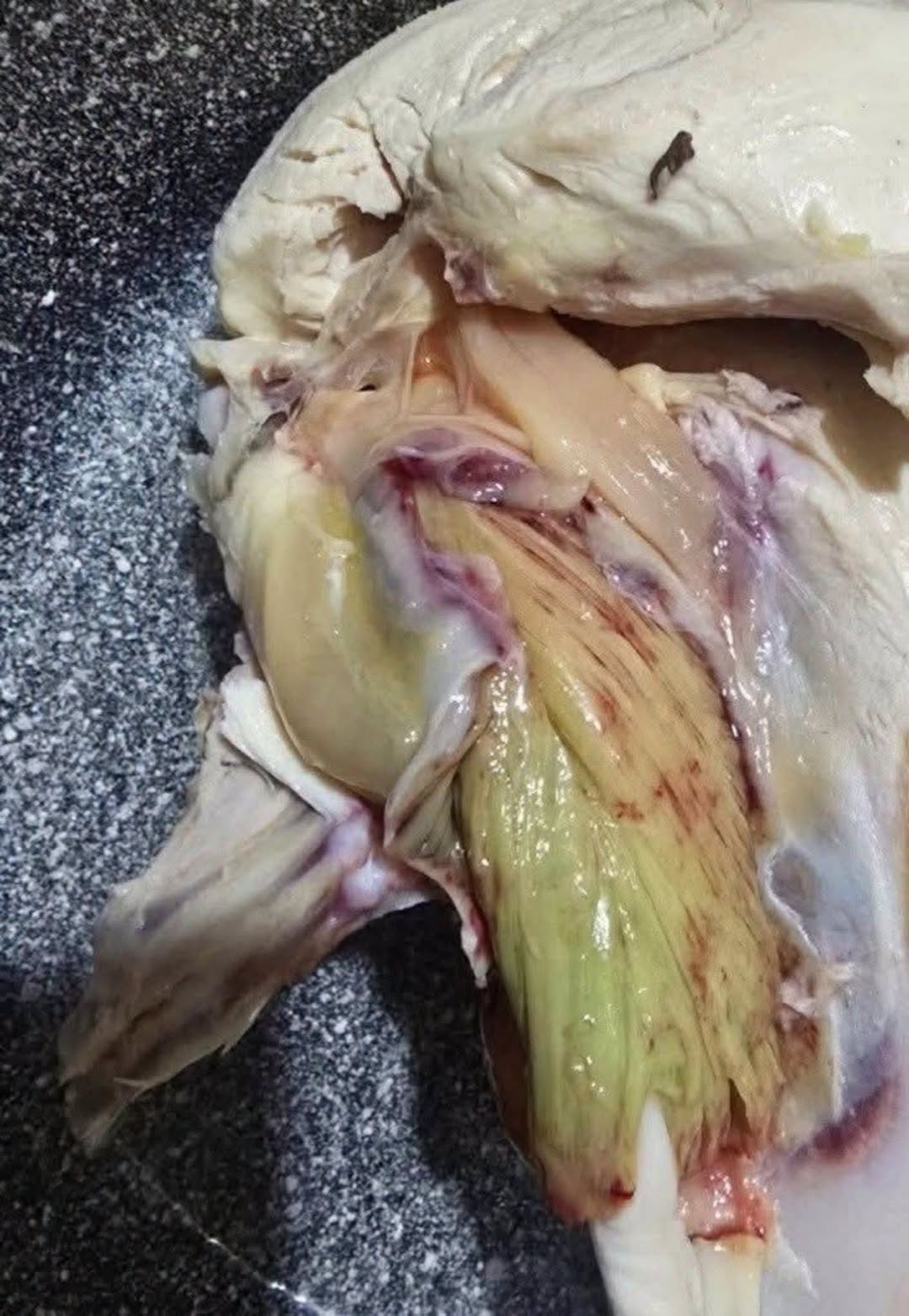
Green Chicken Meat: What It Means and When to Throw It Out
Discovering an unexpected green tint inside chicken can be alarming. The subject of Green Chicken Meat touches on deeply personal matters. The contrast between a perfectly normal exterior and an unusual interior color often triggers immediate concern. Many people assume the worst, picturing severe foodborne illness or spoiled meat.
However, the reality is more complex. The green coloration in poultry can stem from several different causes, ranging from completely harmless to genuinely hazardous. Understanding these distinctions is essential for making informed decisions in the kitchen.
Common Causes of Green Tinting in Poultry
One frequent explanation for greenish meat is bruising. Chickens can be injured during handling, transport, or even from their own movements. When blood becomes trapped deep within the muscle tissue, it undergoes a natural color transformation over time.
This process mirrors what happens with bruises on human skin. The initial purple or dark red appearance gradually shifts to a greenish hue as the body breaks down the trapped blood. This type of discoloration is generally harmless, provided the chicken has been handled properly and stored at safe temperatures.
Another condition known as green muscle disease also produces this effect. This issue is more commonly found in larger broiler chickens and turkeys. The condition affects the deep breast meat, particularly the tenderloin, without showing any outward signs on the surface of the bird.
Understanding Green Muscle Disease
Green muscle disease occurs when the inner breast muscle suffers from oxygen deprivation. This typically happens during the bird’s life, often as a result of excessive wing flapping or stress. The affected muscle tissue dies and takes on a greenish-brown or even spongy appearance.
While the visual impact can be off-putting, this condition alone does not automatically make the meat unsafe. If the chicken was processed under proper sanitary conditions and cooked to the appropriate internal temperature, it may still be safe to consume. The texture and color are compromised, but the bacterial risk is not necessarily elevated.
Many commercial poultry operations routinely inspect for this condition during processing. Affected portions are often trimmed away before packaging. When it does reach consumers, it is typically in smaller quantities that might have been missed during quality checks.
Recognizing the Signs of Spoilage
The most serious concern with green chicken is bacterial spoilage. When harmful microorganisms multiply, they cause the meat to decompose. Color changes are just one indicator of this process, and they should never be considered in isolation.
Your sense of smell is the most reliable tool for detecting spoilage. Fresh chicken has a very mild odor, if any at all. Any sour or sulfuric smell, often described as resembling rotten eggs, is a definitive warning sign. This odor indicates that bacteria have produced waste products that can cause illness.
Texture also provides important clues. Safe chicken should feel moist but firm to the touch. Spoiled meat often develops a slippery or sticky film on its surface. When pressed, it may feel mushy or collapse instead of springing back. Any combination of these sensory red flags means the meat should be discarded immediately.
Other Harmless Explanations for Color Changes
Not all green appearances indicate a problem with the meat itself. Lighting conditions can play tricks on the eyes. Certain types of overhead lighting, particularly fluorescent bulbs, can cast a greenish reflection on the surface of poultry.
Vacuum-sealed packaging can also create confusing visual effects. The lack of oxygen inside the package can cause myoglobin, a protein in the meat, to take on different colors. This might manifest as a greenish or rainbow-like sheen across the surface. Once the package is opened and the meat is exposed to air, these colors typically revert to a normal pink or tan appearance.
These optical illusions are harmless. The meat remains perfectly safe to cook and eat. The key is to verify that the odor and texture are normal before proceeding with preparation.
Trusting Your Senses Over Appearance
In the end, your own senses are the best judges of meat quality. Visual inspection alone is insufficient. The color of chicken can vary naturally due to diet, breed, age, and processing methods. A slight variation from the expected pink does not always signal danger.
The decisive factors are smell and touch. If the chicken passes both of these tests, it is likely safe even with a minor color irregularity. The nose is particularly effective at detecting the early stages of decomposition that might not yet be visible to the eye.
When your senses conflict with what you expect from the package label or the price you paid, always err on the side of caution. No financial loss is worth the risk of food poisoning. If there is any doubt about the safety of the meat, the responsible choice is to dispose of it.
Safe Handling Practices to Prevent Problems
Proper storage is the first line of defense against spoilage. Chicken should be kept refrigerated at temperatures below 40 degrees Fahrenheit. It should be cooked within a few days of purchase or frozen for longer storage. Thawing should always occur in the refrigerator, in cold water, or in the microwave, never at room temperature.
Cross-contamination is another significant risk. Raw chicken juices can spread bacteria to other foods, surfaces, and utensils. Always wash hands thoroughly after handling raw poultry. Use separate cutting boards for meat and produce. Clean all surfaces that come into contact with raw chicken using hot, soapy water.
Cooking to the proper internal temperature is the final safeguard. Chicken must reach an internal temperature of 165 degrees Fahrenheit to ensure that any harmful bacteria are destroyed. Using a meat thermometer is the only reliable way to confirm this temperature has been achieved.
Green Chicken Meat: Making the Final Decision
Encountering green meat in chicken is unsettling, but it does not always warrant panic. By understanding the underlying causes, you can make an educated assessment. Bruising and green muscle disease are typically harmless if the meat has been handled correctly and cooked thoroughly.
Spoilage, on the other hand, is a clear and present danger. The presence of off-putting odors, sliminess, or an unappealing texture are undeniable indicators that the meat has gone bad. In these cases, there is no question about the correct course of action.
Ultimately, the decision comes down to a combination of knowledge and trust in your own senses. When in doubt, throwing the meat away is always the safest option. Protecting your health and the health of those you cook for is far more important than saving a few dollars on a package of chicken.