
Recognizing the Early Indicators of Vitamin B12 Deficiency
The topic of Early Indicators raises many questions. Vitamin B12 stands as a critical nutrient that the human body relies upon for a range of fundamental biological processes. Its primary functions include assisting in the formation of red blood cells, preserving the integrity of the nervous system, and contributing to the synthesis of DNA. Without an adequate supply of this vitamin, various bodily systems can begin to experience significant disruptions.
The human body lacks the inherent ability to synthesize vitamin B12 on its own. Consequently, this essential nutrient must be sourced externally through dietary intake or supplementation. The most common natural sources of vitamin B12 are animal-derived products, which include various types of meat, fish, eggs, and dairy items. For a large portion of the population, these foods provide the necessary daily requirement to maintain optimal health.
Who Faces a Higher Risk of Deficiency?
Certain dietary patterns can place individuals at a greater susceptibility to developing a deficiency. Specifically, those who follow vegetarian or vegan lifestyles may find it challenging to obtain sufficient amounts of vitamin B12, as their diets exclude many of the primary animal-based sources. This risk is particularly pronounced if these individuals do not actively incorporate fortified foods into their meals or rely on nutritional supplements to bridge the gap. Without these interventions, maintaining adequate B12 levels becomes a considerable challenge.
Beyond dietary choices, other factors can also contribute to reduced vitamin B12 levels. The body’s ability to absorb this nutrient from food diminishes with age, and certain gastrointestinal conditions can interfere with the absorption process. Additionally, some medications may impact how the body processes or utilizes this vitamin, potentially leading to lower levels over time.
Fatigue as a Primary Warning Sign
One of the most frequently reported and earliest indicators of a vitamin B12 deficiency is a persistent and unexplained sense of tiredness. This fatigue arises because the body is unable to manufacture a sufficient quantity of healthy red blood cells when B12 levels are inadequate. Without enough of these cells, the transportation of oxygen throughout the body becomes less efficient, leaving muscles and tissues without the energy they require to function properly.
This particular symptom can often be subtle in its onset. Many individuals may dismiss their constant exhaustion as a normal consequence of a busy lifestyle, work pressures, or a lack of quality sleep. However, when this fatigue becomes a chronic condition that does not improve with rest, it warrants further investigation into potential underlying nutritional deficiencies.
Additional Physical Symptoms to Monitor
As the deficiency progresses, a broader range of physical symptoms may begin to emerge. Individuals might experience a general feeling of weakness that affects their daily activities and physical performance. Shortness of breath can occur, particularly during exertion that would not have previously caused such difficulty. Dizziness or lightheadedness may also become a recurring issue for some people.
Cognitive function can also be impacted by low vitamin B12 levels. Difficulty concentrating, brain fog, and a reduced ability to focus on tasks are common complaints among those with a deficiency. These cognitive symptoms are frequently misattributed to stress, anxiety, or simple exhaustion, which can delay the diagnosis and appropriate treatment.
Advanced Signs of Prolonged Deficiency
When vitamin B12 levels continue to drop and the deficiency becomes more severe, additional and more noticeable symptoms can develop. Changes in skin tone, such as a pale or slightly yellowish complexion, may become apparent. This discoloration is often linked to the impaired production of red blood cells and the breakdown of those cells in the body.
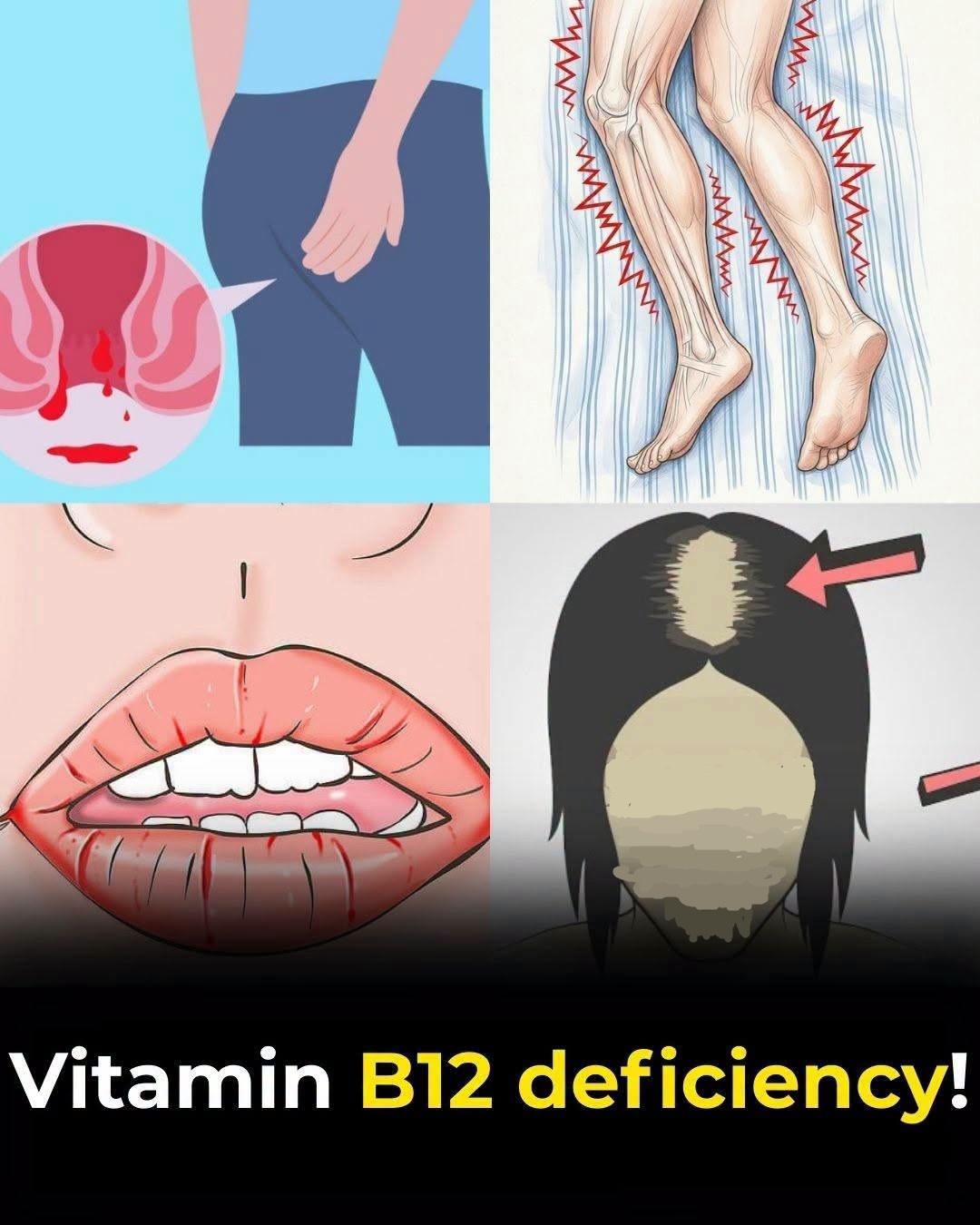
Oral health can also be affected. A sore, red, or swollen tongue is a potential indicator of advanced deficiency, along with general discomfort within the mouth. Some individuals may experience a burning sensation or notice changes in their sense of taste. These oral symptoms can make eating and speaking uncomfortable, further impacting quality of life.
Neurological symptoms may also surface, including a tingling or numb sensation in the hands and feet. This occurs because B12 is essential for the maintenance of the myelin sheath that protects nerve fibers. When this protective coating is compromised, nerve signaling can be disrupted, leading to these abnormal sensations.
Impact on Mental and Emotional Well-Being
The influence of vitamin B12 extends beyond physical health and into the realm of mental and emotional well-being. A deficiency can have a noticeable effect on mood and psychological state. Some individuals report increased irritability or a general sense of being on edge. Others may struggle with forgetfulness or a slowing of their mental processing speed, making it harder to think clearly or react quickly.
These neurological and psychological effects can be particularly distressing, as they may be mistaken for age-related cognitive decline or mood disorders. This misidentification can lead to frustration for the individual, as treatments aimed at those conditions may not provide relief if the underlying cause is a nutritional deficiency.
Early Indicators: Seeking Diagnosis and Appropriate Treatment
For those who suspect they may have low vitamin B12 levels, a straightforward medical evaluation is available. A simple blood test can accurately measure the concentration of vitamin B12 in the bloodstream. This test provides a clear picture of whether an individual’s levels fall within a healthy range or if a deficiency exists.
Once a deficiency has been confirmed, the course of treatment will depend on the underlying cause and the severity of the condition. For some, increasing dietary intake of B12-rich foods may be sufficient to correct the imbalance. In other cases, healthcare professionals may recommend oral supplements to boost levels more quickly. For individuals with absorption issues or more severe deficiencies, injections of vitamin B12 may be prescribed to ensure the nutrient is delivered directly into the bloodstream.
Prompt attention to the symptoms of low vitamin B12 is crucial. Early detection and intervention can prevent the progression of symptoms and help avoid long-term neurological damage. Anyone experiencing persistent fatigue, cognitive difficulties, or the other signs mentioned should consult with a healthcare provider to discuss their symptoms and determine if a vitamin B12 test is appropriate. Addressing the deficiency in a timely manner can lead to significant improvements in energy levels, mental clarity, and overall health.