
The Charcoal Box Iron: A Fiery Relic of Domestic History
Long before the convenience of electric appliances, the task of ironing clothes was a laborious and dangerous chore. In the cramped kitchens and steam-filled washhouses of the past, a unique tool held a place of importance: the charcoal box iron. This device was more than a simple household implement; it was a testament to human ingenuity and the relentless pursuit of social respectability through crisp, well-pressed garments.
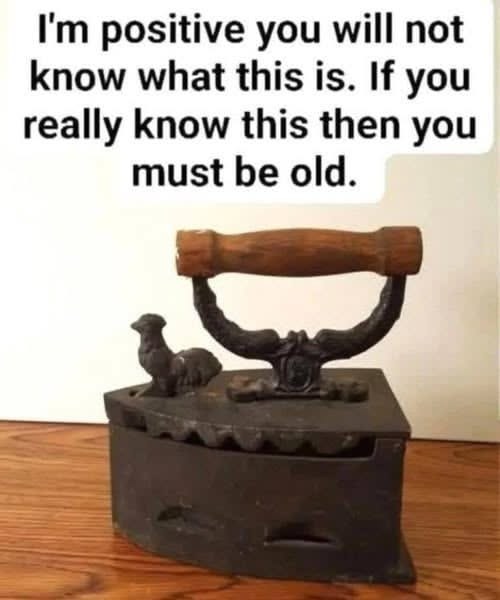
The charcoal box iron was a self-contained heating unit that transformed raw fire into a manageable tool for domestic use. Its design was remarkably straightforward yet effective. A hollow body, typically constructed from cast iron, served as a chamber for holding hot coals. The heat generated by these embers would radiate downwards to the flat soleplate, providing the necessary warmth to smooth wrinkles from fabric. Meanwhile, a carefully crafted wooden handle remained cool to the touch, allowing the user to guide the heavy implement with a degree of safety and control.
Design and Functionality of a Bygone Era
The construction of the charcoal iron was centered on practicality. The thick cast-iron body was durable and capable of withstanding the intense heat of burning coals. At the top of the device sat a hinged lid, which could be opened to add fuel or to check on the state of the embers within. This lid was often secured with a distinctive latch, sometimes shaped like a rooster, which added a touch of craftsmanship to an otherwise purely functional object. This small detail highlighted the pride that manufacturers took in their work, even for tools meant for the most arduous of household tasks.
Using the iron required a constant and careful attention. The user would need to ensure a steady supply of glowing coals was maintained inside the chamber. If the embers began to die down, the iron would lose its heat, and the lid would have to be lifted to add more fuel. This process was not without its risks. A stray spark or an ember that fell from the iron could easily scorch the fabric being pressed or, worse, cause a burn to the person using it. The threat of fire was a constant companion in the laundry room, adding an element of danger to an already demanding chore.
Despite these hazards, the charcoal box iron offered a significant advantage over its predecessors. The earlier sad irons, which were solid blocks of metal, had to be placed on a stove to heat up. They would cool down quickly and required constant reheating, meaning the laundress had to make frequent trips back and forth to the fire. This interrupted the workflow and made the task even more time-consuming. The charcoal iron, by contrast, was a self-contained heater. As long as there were coals burning inside, the iron could maintain a consistent temperature for a longer period. This allowed the user to work for extended stretches without having to stop and reheat the tool, representing a significant improvement in efficiency.
The Ritual of Laundry in the Pre-Electric Home
The environment in which these irons were used was far removed from the modern laundry room. The work often took place in small, poorly ventilated spaces. The combination of a hot iron, steaming water, and the smoke from the burning coals created a stifling atmosphere. Those who performed this labor worked in sweltering conditions, with the air thick with moisture and the acrid smell of charcoal. It was physically demanding work that required strength and endurance, as the irons were heavy and the motions repetitive.
The goal of this strenuous effort was not merely cleanliness. In a society where appearances were closely tied to character, the crispness of a collar or the smoothness of a bedsheet was a visible sign of a well-managed household. The charcoal iron was a tool that helped women achieve this standard of domestic respectability. The effort invested in pressing linen and garments was a point of pride, a way of demonstrating order and care within the home. The smooth, sharp finish achieved through hours of labor was a reward in itself, a tangible result of hard work and dedication.
As the coals glowed within the iron’s belly, they represented a bridge between two very different worlds. On one hand, the device was a direct descendant of the primitive hearth, relying on the most basic element of fire to function. It required the same kind of tending and attention as a fireplace or a stove. On the other hand, it was a step towards the modern age of appliances. Its self-contained nature and efficient design were precursors to the electric irons that would eventually replace it. It was a fragile crossroads in the history of technology, a moment where the old ways were giving way to the new.
The Charcoal Box Iron: A Quiet Transition to Modern Convenience
The charcoal box iron did not disappear overnight. It coexisted with newer technologies for a time, serving in homes that had not yet been wired for electricity or where the cost of new appliances was prohibitive. However, the arrival of the electric iron spelled the end of its era. The electric version offered instant heat, precise temperature control, and none of the mess or danger associated with handling coals. There was no need to tend a fire, no risk of soot marking the laundry, and no smoke filling the room. The flick of a switch replaced the careful management of burning embers.
This transition was quiet and gradual. As electricity became more common in households, the charcoal iron was relegated to the back of cupboards and shelves. It became an obsolete object, a relic of a time when even the simplest household tasks required a direct engagement with fire. The skills and knowledge needed to use it safely were no longer passed down, and the tool itself faded from memory for many.
Today, the charcoal box iron is a fascinating artifact for collectors and historians. It serves as a tangible link to the daily lives of people in the past, offering insight into the labor, risks, and values of a bygone era. The object in a photograph, often labeled as a mystery, is a reminder of the ingenuity required to manage a home before the age of convenience. Its design, with its cast-iron body and wooden handle, speaks to a time when objects were built to last and to perform a specific, vital function.
The story of the charcoal box iron is one of progress and loss. It is a story about the evolution of domestic work and the relentless march of technology. The device was a clever solution to a real problem, a way to bring controlled heat to the laundry room without the need for a direct connection to the stove. It was a tool that demanded skill and courage, and it served its purpose well for generations. While it has been replaced by far more convenient and safer devices, its legacy remains. It stands as a testament to the resourcefulness of the past and a benchmark against which we can measure the comforts of the modern world. The smooth, effortless ironing of today is built upon the foundation of these hot, heavy, and hazardous boxes of fire.