
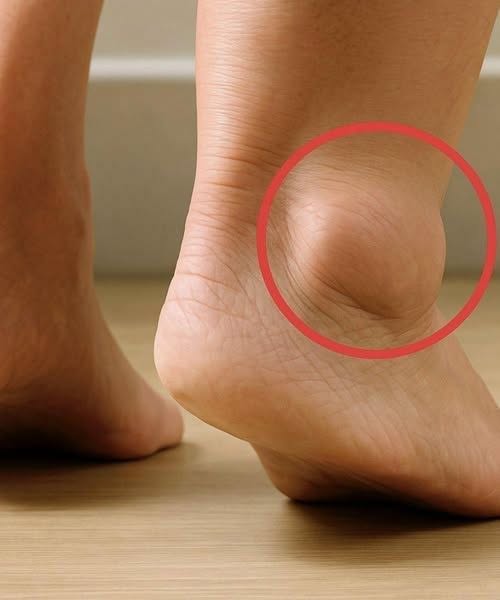
Understanding Swollen Feet in Seniors and Ways to Reduce Discomfort
Why Swelling Should Not Be Brushed Aside
The topic of Understanding Swollen Feet raises many questions. Swollen feet are often dismissed as a normal part of getting older, but persistent swelling can be an early warning sign that the body is under strain. In older adults, fluid may collect in the feet, ankles, and lower legs when circulation slows, veins weaken, or organs that help manage fluid balance are not working as efficiently as they should. What begins as mild puffiness at the end of the day can sometimes point to a problem that deserves closer attention.
The issue is not that every case of swelling is dangerous. Many people experience temporary swelling after standing for a long time, sitting without movement, wearing tight shoes, eating salty foods, or spending time in warm weather. The concern comes when swelling lingers, keeps returning, becomes severe, affects one side more than the other, or appears with other symptoms. In those situations, it should not be treated as just water weight or ordinary aging.
Feet and lower legs sit farthest from the heart, which makes them especially vulnerable to fluid buildup. Blood and lymph fluid must move upward against gravity, and that process depends on healthy circulation, flexible blood vessels, muscle movement, and good organ function. When any part of that system slows down, fluid can escape into nearby tissues faster than it can be cleared away.
Circulation and Vein Problems Can Play a Role
One common reason older adults develop swollen feet is weaker circulation. Veins in the legs contain valves that help move blood back toward the heart. Over time, those valves may not close as strongly as they once did. When blood pools in the lower legs, pressure rises inside the veins and fluid may leak into the surrounding tissues.
This problem is often connected with chronic venous insufficiency. It may cause swelling that becomes more noticeable after a person has been standing or sitting for long periods. The legs may feel heavy, tight, or uncomfortable, and the skin may look stretched. In some cases, swelling improves after the feet are elevated, but it may return again the next day if the underlying circulation issue remains.
Long hours of stillness can make the problem worse. Sitting in a chair, riding in a car, or remaining in one position for too long reduces the pumping action of the calf muscles. Those muscles normally help push blood upward. Without enough movement, fluid has more opportunity to settle in the ankles and feet.
Gentle motion can make a meaningful difference for many people. Short walks, ankle circles, and flexing the feet can support blood flow. These habits are simple, but they work with the body’s natural pumping system. They are especially useful for seniors who spend much of the day seated or who cannot tolerate strenuous activity.
Organs, Medications, and Daily Habits Matter
Swelling can also reflect strain on the heart, kidneys, or liver. These organs help regulate circulation and fluid balance. If the heart is not pumping effectively, fluid can collect in the lower body. If the kidneys are not removing excess fluid and salt properly, swelling may increase. If the liver is affected, the body’s fluid regulation can also become disrupted.
Medication side effects are another important possibility. Some medicines used for blood pressure, inflammation, pain, or other conditions may contribute to fluid retention. This does not mean a person should stop taking prescribed medication on their own. Instead, swelling should be reported so a healthcare provider can decide whether the medicine, the dose, or another health issue may be involved.
Diet and routine habits can quietly feed the problem. Salt encourages the body to hold onto fluid, and frequent high-salt meals can make swelling worse in people who are already prone to retention. Inactivity has a similar effect by reducing circulation through the legs. Poorly fitted shoes can add pressure, discomfort, and reduced movement, making the feet feel even more swollen by the end of the day.
Hydration also matters. Some people assume that drinking less water will reduce swelling, but the body needs adequate fluid to maintain balance. Severe restriction without medical advice can create other problems. A healthier approach is usually to reduce excess sodium, stay reasonably hydrated, and follow medical guidance when swelling is linked to a diagnosed condition.
Practical Ways to Ease Mild Swelling
For mild, routine swelling, daily supportive steps may help. Elevating the feet allows gravity to assist fluid movement back toward the center of the body. The feet should be raised comfortably, especially after long periods of standing or sitting. Even short elevation breaks can reduce pressure and make the legs feel lighter.
Compression socks may also help some people by applying gentle pressure to the lower legs. This pressure can support circulation and reduce pooling. However, compression should fit properly and should be used carefully, especially by people with circulation disorders, diabetes, skin problems, or pain. Medical advice is useful before starting compression if a person is unsure.
Comfortable shoes are another simple but important measure. Shoes that are too tight can worsen discomfort and may leave marks on swollen feet. Well-fitted footwear gives the feet enough room while still offering support. When swelling changes throughout the day, adjustable shoes or socks may be more comfortable than rigid footwear.
Movement should be gentle and consistent. A senior does not need intense exercise to help circulation. Standing up regularly, walking around the room, pointing and flexing the toes, or slowly rotating the ankles can all help. These small movements are especially important during long periods of sitting.
Understanding Swollen Feet: When Swelling Needs Medical Attention
The most important point is knowing when swelling should be evaluated. Persistent swelling, sudden swelling, severe swelling, or swelling that appears with pain, shortness of breath, chest discomfort, skin changes, warmth, redness, or unusual fatigue should not be ignored. These signs can indicate a more serious issue and may require prompt care.
Swelling in only one leg can also be more concerning than swelling in both legs, depending on the circumstances. Because the causes can range from mild fluid retention to serious circulation problems, it is safer to have new or unusual swelling assessed rather than guessing at the cause.
Early attention can turn a worrying signal into an opportunity for prevention. If swelling is connected to medication, salt intake, inactivity, or vein problems, a healthcare provider can help guide safer changes. If it is related to the heart, kidneys, liver, or another condition, finding it sooner can make treatment more effective.
Swollen feet in seniors should be understood as a symptom, not a diagnosis. The feet may be showing that circulation needs support, that daily habits need adjustment, or that the body needs medical evaluation. By paying attention, moving gently, elevating the feet, choosing supportive footwear, reducing excess salt, and seeking care when swelling persists or worsens, older adults can protect comfort and health at the same time.