
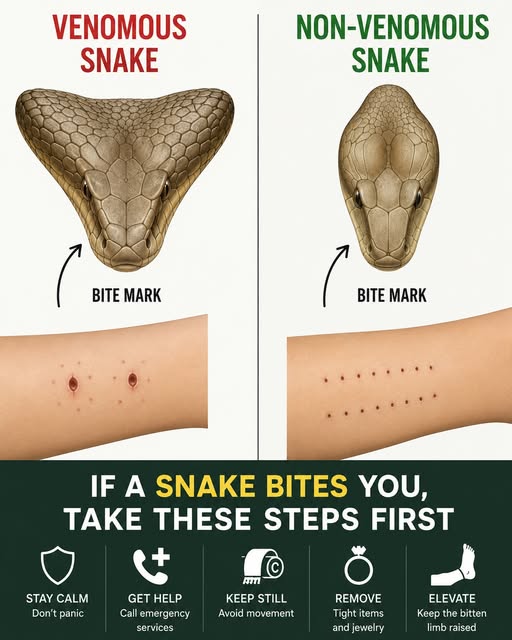
Snake Bite First Aid Steps Experts Say To Know
The topic of Snake Bite First Aid raises many questions. A snake bite can be frightening, but knowing the first steps to take can help people stay calmer and respond more safely while emergency help is contacted.
Snake bites are uncommon compared with many outdoor injuries, yet they remain a serious concern in places where venomous snakes live.
That is especially true in parts of Australia, where several venomous species may be found in rural, farming, gardening, hiking, and outdoor work settings.
The most important message is simple: treat a possible venomous snake bite as a medical emergency and get professional help fast.
Why Preparation Matters
Most snake encounters end without anyone being bitten.
Snakes usually prefer to avoid people and often strike only when surprised, stepped on, handled, or threatened.
Still, people who spend time outdoors should understand basic safety steps before an emergency happens.
Good preparation can reduce panic and prevent dangerous mistakes.
It can also help bystanders support the bitten person until trained medical workers arrive.
Call Emergency Help First
The first step after a suspected snake bite is to call emergency services immediately.
Do not wait to see whether symptoms become severe.
Some venom effects can take time to appear, and a bite may not look dramatic at first.
Emergency dispatchers can give location-specific advice while help is on the way.
In Australia, people should follow local emergency instructions and ask for urgent medical assistance.
Stay As Calm As Possible
Staying calm is easier said than done, but it matters.
Panic can lead to running, unnecessary movement, and confusion.
Movement may increase circulation, which is one reason first aid guidance often emphasizes keeping the person still.
Reassure the person that help has been called.
Have them sit or lie down safely away from the snake.
Do Not Chase The Snake
No one should try to catch, kill, or photograph the snake if doing so creates more risk.
Another bite can make the situation much worse.
Medical teams can treat snakebite based on symptoms and regional risk without a bystander bringing in the animal.
If a photo can be taken from a safe distance without delaying help, it may be useful, but safety comes first.
The priority is the injured person, not identifying the snake at the scene.
Keep The Person Still
After calling emergency help, keep the bitten person as still as possible.
They should avoid walking if help can come to them.
If the bite is on a limb, keep that limb still and supported.
Do not encourage the person to run, drive themselves, or continue the activity they were doing.
Reducing movement is one of the simplest ways to respond while waiting for professional care.
Remove Tight Items
Remove rings, watches, bracelets, tight shoes, or restrictive clothing near the bite area if this can be done easily.
Swelling can develop, and tight items may become difficult or painful to remove later.
Do not waste time struggling with anything that will not come off quickly.
The goal is to prevent avoidable pressure on the affected area.
Emergency care should still remain the main priority.
Pressure Immobilisation In Australia
Australian first aid advice often includes pressure immobilisation for many suspected venomous snake bites.
This generally means applying a firm bandage over the bite area and along the limb, then keeping the limb immobilised with a splint if possible.
The bandage should be firm, not cutting off circulation.
Because guidance can vary by region and situation, people should follow instructions from emergency dispatchers or trained first aid providers.
If unsure, call emergency services and describe exactly what happened.
Avoid Old Myths
Several old snakebite myths can cause harm.
Do not cut the wound.
Do not try to suck out venom.
Do not apply ice directly to the bite.
Do not use a tight tourniquet unless specifically instructed by emergency medical professionals.
Do Not Drink Alcohol
The bitten person should not drink alcohol while waiting for help.
They should also avoid unnecessary food, medication, or home remedies unless advised by a medical professional.
Snakebite treatment depends on medical assessment, symptoms, and local protocols.
Trying to treat the bite with folk remedies can waste time and create additional problems.
Professional care is the safest route.
Mark The Time
If possible, note the time the bite happened.
It can also help to mark the edge of swelling with a pen and write the time next to it, if doing so does not delay emergency help.
This information may help medical workers understand how symptoms are changing.
Keep the person comfortable and still while waiting.
Continue monitoring breathing, alertness, and general condition.
Reducing Risk Outdoors
Prevention is also important.
People walking in snake-prone areas should wear sturdy shoes and long pants when practical.
Use a flashlight at night and avoid placing hands into holes, thick grass, wood piles, or hidden spaces without looking first.
Keep yards tidy by reducing debris where snakes or their prey may hide.
Teach children not to touch snakes, even if the animal appears still or dead.
Respect Snakes From A Distance
Snakes are part of the environment and usually want to avoid confrontation.
Most bites happen when people accidentally step close to a snake or try to handle one.
Giving snakes space is one of the best safety habits.
If a snake is near a home, workplace, or public area, contact local wildlife professionals or the appropriate authorities.
Trying to move it without training can be dangerous.
Why Fast Medical Care Matters
Fast medical care matters because snakebite symptoms can change after the first few minutes.
A person may feel shaken but otherwise normal at first, then develop pain, swelling, weakness, nausea, bleeding changes, breathing problems, or other concerning symptoms later.
Only trained medical workers can properly assess the risk and decide whether antivenom or other treatment is needed.
That is why waiting at home to see what happens is risky.
Even when the bite turns out to be less serious, it is safer to have professionals make that judgment.
This advice is general information only and should never replace emergency medical instructions given by local authorities.
In a real bite, follow the dispatcher’s directions.
Snake Bite First Aid: The Main Takeaway
A suspected snake bite should be treated seriously every time.
Call emergency services, keep the person calm and still, remove tight items, follow local first aid instructions, and avoid harmful myths.
The goal is not to solve the emergency alone.
The goal is to protect the person until trained help arrives.
With calm action and accurate first aid, people can respond more safely during a frightening situation.