
Wedding Invite Request For Minimum Cash Gift Sparks Etiquette Debate
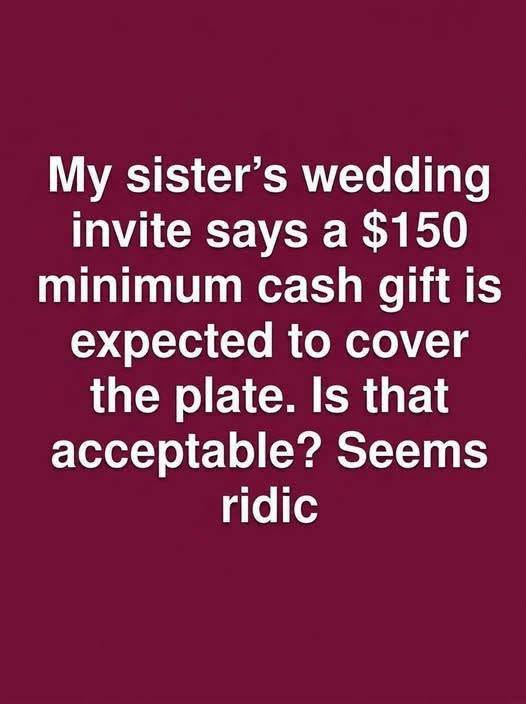
The topic of Wedding Invite Request Minimum raises many questions. A wedding invitation asking guests for a minimum cash gift of $150 has sparked a debate about etiquette, expectations, and the purpose of celebrating with family and friends.
The note reportedly said the contribution was expected to help cover the cost of each guest’s plate. For many people, that kind of wording changes the feeling of an invitation.
Weddings often involve major expenses, and couples may hope that gifts help offset some of the cost. Still, traditional etiquette treats wedding gifts as voluntary gestures, not required payments.
The question is not only about the amount. It is about whether attending a wedding should come with a financial expectation and how that expectation affects the spirit of the event.
The Short Answer On Etiquette
In most situations, requiring guests to provide a cash gift of a specific value is considered inappropriate.
A wedding invitation is meant to invite loved ones to witness and celebrate an important life moment. It is not usually understood as a request for guests to pay for the experience of attending.
Wedding gifts are traditionally optional. They are given as expressions of affection, support, and congratulations.
Guests may choose a physical gift, a monetary gift, a contribution to a registry, or sometimes no gift at all, depending on their circumstances.
When an invitation includes a required amount, even politely worded, it can make the event feel less like a celebration and more like a transaction.
Why A Minimum Gift Can Feel Uncomfortable
A minimum cash request can put guests in an awkward position. Some may want to attend but may not be able to comfortably afford the requested amount.
Others may feel embarrassed if they planned to give a smaller gift, choose something personal, or contribute in a different way.
The discomfort often comes from the fact that gift-giving is expected to be voluntary. Once a specific number is attached, the guest may feel judged or pressured.
Even if the couple did not intend to offend anyone, the wording can create strain. Guests may wonder whether they are truly wanted at the celebration or whether their presence is being measured by the amount they can give.
That can damage the warmth and generosity that wedding invitations are supposed to communicate.
The Cover Your Plate Mindset
The idea of “covering your plate” is common in some wedding conversations. It suggests that guests should give enough money to offset the cost of hosting them.
Many couples understand how expensive weddings have become. Food, venues, service fees, decor, clothing, photography, transportation, and entertainment can all add up quickly.
Because of those costs, some couples may hope that gifts will help reduce the financial burden after the celebration.
That perspective may be understandable, but it is not the same as proper etiquette. Hosting an event means choosing the size, style, and cost of the celebration in a way the hosts can manage.
Guests should not be made responsible for repaying the couple’s planning decisions. A gift is meant to congratulate the couple, not reimburse the price of dinner.
Why Hosting And Gift-Giving Should Stay Separate
Healthy wedding etiquette keeps hosting and gift-giving separate. The couple invites guests because they want those people present for an important milestone.
Guests may respond with a gift because they want to honor the couple. Those two gestures are connected emotionally, but they should not be treated as a business exchange.
When the invitation states a minimum contribution, it blurs that boundary. The guest may feel as though attendance is conditional on payment.
This is why wording matters. Even if the couple simply wants to communicate a preference for cash gifts, the phrase “minimum” can sound demanding.
A warm message can preserve the optional nature of gifts, while a required amount can create resentment before the wedding even happens.
Better Ways To Communicate Gift Preferences
Couples who prefer monetary gifts can communicate that preference without setting a required amount.
One considerate approach is to avoid mentioning gifts directly on the main invitation and instead provide optional details through a wedding website, registry page, or family members when guests ask.
If a couple wants to mention cash gifts, the wording should remain gentle and clearly optional.
A softer message might say, “Your presence is the greatest gift we could receive. If you wish to honor us with a gift, a monetary contribution would be sincerely appreciated.”
Another option is, “Having you celebrate with us is the greatest gift of all. If you choose to give a gift, a contribution toward our future together would be deeply appreciated but is completely optional.”
Both versions express a preference while still showing that attendance and love matter more than a payment.
Gift Registries And Wishing Wells
Registries can also help guests choose gifts without pressure. A registry gives people options at different price points, allowing each guest to decide what feels appropriate.
A wishing well or honeymoon fund can serve a similar purpose. It gives guests a place to contribute money if they want to do so, while avoiding a fixed demand.
The key is choice. Guests should feel free to give according to their means and comfort level.
When options are presented respectfully, many guests are happy to support the couple. Problems usually arise when the language makes the gift feel mandatory.
Thoughtful wording can protect relationships and prevent the wedding from becoming a source of resentment.
Advice For Guests Who Receive This Kind Of Invitation
If a guest receives an invitation requesting a specific cash amount, the first step is to decide whether attending still feels comfortable.
Guests are not obligated to spend beyond their means. A person should not feel pressured to create financial stress in order to attend a wedding.
If the request feels uncomfortable, the guest may politely decline the invitation. Sending warm wishes can still be appropriate, even without attending.
If the guest chooses to attend, they can still give what they can reasonably afford. The amount of a gift should be based on personal circumstances, not pressure.
Another option is to speak privately with the couple or a close family member if the relationship allows it. The conversation should be calm and respectful, not accusatory.
The Bigger Picture
Weddings are emotional events, but they are also financial decisions. Couples may feel pressure to create a celebration that meets family expectations, cultural traditions, or social standards.
That pressure can lead to difficult choices about budgets and guest lists. However, the solution should not be to place a required price on attendance.
A wedding should make guests feel welcomed. It should communicate that their presence matters because of the relationship they share with the couple.
When money becomes the focus of the invitation, the deeper purpose of the gathering can be overshadowed.
Good etiquette helps protect the meaning of the event. It reminds both couples and guests that celebration, gratitude, and respect should remain at the center.
A More Considerate Approach
A couple planning a wedding can avoid problems by setting a budget based on what they can afford, not what they expect guests to return in gifts.
If the budget is tight, a smaller guest list, simpler menu, or less expensive venue may be more respectful than asking guests to cover costs.
Guests invited to a wedding should not feel like customers paying for a meal. They should feel like loved ones being asked to share a meaningful day.
Money can still be part of wedding gift culture, but it should be handled with care. A request can be optional and gracious, while a demand can feel rude and exclusionary.
The strongest approach is to make guests feel appreciated first and allow gifts to remain what they are meant to be: voluntary expressions of support.
Wedding Invite Request Minimum: Final Thoughts
Requiring a minimum cash gift of $150 to attend a wedding is generally viewed as poor etiquette because it creates pressure and can strain relationships.
While wedding expenses are real, guests are not responsible for reimbursing the cost of hosting them.
A more respectful invitation focuses on welcoming people to celebrate. Gift preferences, if mentioned at all, should be presented gently and without a required amount.
Ultimately, a wedding invitation should make guests feel included in a joyful occasion. It should not leave them wondering whether their place at the table depends on a payment.