
What to Expect After Gallbladder Removal: How the Body Adapts Over Time
The topic of Expect After Gallbladder Removal raises many questions. Gallbladder removal, medically known as cholecystectomy, is one of the most frequently performed abdominal surgeries worldwide. The procedure is typically recommended for individuals suffering from recurring gallstone attacks, inflammation of the gallbladder, or other medical conditions that interfere with normal digestive function. While the idea of losing an organ might sound alarming, healthcare professionals generally consider the surgery safe, and the majority of patients recover well and return to their regular activities without major complications.

Understanding how the gallbladder works and what changes to expect after its removal can help patients feel more prepared for recovery. The gallbladder is a small, pear-shaped organ situated beneath the liver on the upper right side of the abdomen. Its main job is to store and concentrate bile, a digestive fluid that the liver produces continuously. Bile plays a crucial role in helping the body break down dietary fats and absorb fat-soluble vitamins, including vitamins A, D, E, and K. During meals, particularly those containing fat, the gallbladder contracts and releases concentrated bile into the small intestine through the bile ducts to assist with digestion. Although the gallbladder serves an important storage function, it is not essential for survival.
How Digestion Changes After Surgery
After gallbladder removal, the liver continues producing bile as it always has. However, instead of being stored between meals, bile now flows directly from the liver into the small intestine on an ongoing basis. This adjustment means that most people can digest food normally after recovery, although the digestive system may need some time to adapt to the new pattern of bile delivery. Many patients are surprised to learn how well the body compensates for the missing organ, but the transition period can vary from person to person.
The most common reason for undergoing cholecystectomy is the presence of gallstones, a condition medically known as cholelithiasis. Gallstones form when substances found in bile, such as cholesterol or bilirubin, solidify into deposits. These stones can range from tiny grains to much larger formations. Many people carry gallstones without ever experiencing symptoms. However, when a stone blocks the normal flow of bile, it can trigger sudden and sometimes severe abdominal pain known as biliary colic.
Potential Complications Linked to Gallstones
Gallstones can lead to more serious complications if they obstruct the gallbladder or the surrounding ducts. One such condition is acute cholecystitis, an inflammation of the gallbladder that typically causes persistent pain, fever, nausea, and tenderness in the upper right abdomen. This condition requires prompt medical evaluation and often leads to surgical removal of the gallbladder to prevent further complications.
Another possible complication arises when a gallstone travels into the common bile duct and blocks the flow of digestive fluids from the pancreas. This condition, called gallstone pancreatitis, can cause inflammation of the pancreas and frequently requires hospitalization. Doctors usually recommend gallbladder removal after such an episode to reduce the risk of future occurrences.
Although rare, cancer of the gallbladder can also develop. Because early-stage gallbladder cancer often presents few or no symptoms, diagnosis can be difficult during its earliest phases. Persistent abdominal pain, unexplained weight loss, jaundice, or ongoing digestive issues should always be evaluated by a qualified healthcare provider.
Recognizing the Symptoms
Many gallbladder disorders share similar warning signs. One of the most common is pain in the upper right portion of the abdomen, particularly after eating a meal high in fat. Some people describe the pain as sharp, while others experience a constant aching sensation that may radiate to the right shoulder or upper back. These episodes can last anywhere from several minutes to several hours, depending on the underlying cause.
Additional symptoms may include nausea, vomiting, bloating, indigestion, fever, chills, or jaundice, which causes yellowing of the skin and the whites of the eyes. Changes in urine or stool color can also occur if bile flow becomes obstructed. However, these symptoms should not automatically be attributed to gallbladder disease, as they may result from other medical condit
ions. Accurate diagnosis requires a thorough evaluation by a healthcare professional, including a medical history, physical examination, laboratory tests, and imaging studies such as ultrasound.
The Surgical Procedure and Recovery
When surgery becomes necessary, gallbladder removal is most commonly performed using laparoscopic techniques. During this minimally invasive procedure, surgeons make several small incisions and use a tiny camera to guide specialized instruments. Compared to traditional open surgery, laparoscopic cholecystectomy generally results in less pain, shorter hospital stays, smaller scars, and faster recovery. Many patients return home the same day, while others may stay overnight depending on their overall health and the complexity of the procedure.
Immediately after surgery, patients often experience temporary discomfort around the incision sites, mild abdominal bloating, or shoulder pain caused by the gas used during the laparoscopic procedure. These symptoms typically improve within a few days. Doctors usually encourage gentle walking soon after surgery, as light physical activity can help reduce discomfort, improve circulation, and support the healing process.
Dietary Adjustments for a Smooth Recovery
One of the biggest concerns patients have is whether their digestion will permanently change after gallbladder removal. The answer depends on the individual. For most people, the digestive system gradually adapts, allowing them to resume a normal diet over time. However, because bile is no longer stored and released in concentrated bursts during meals, some individuals experience temporary digestive changes while their bodies adjust.
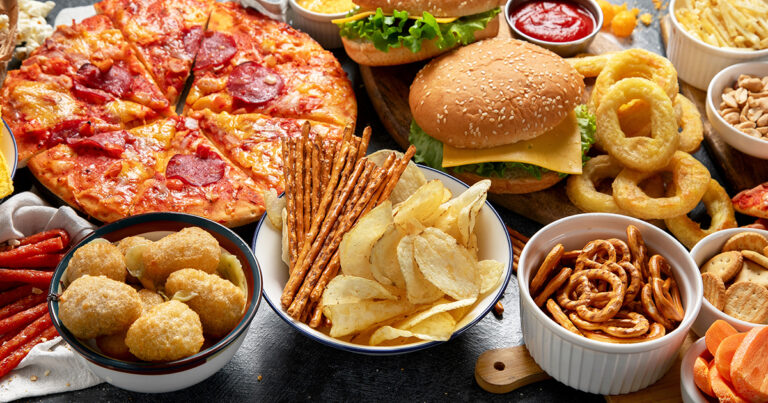
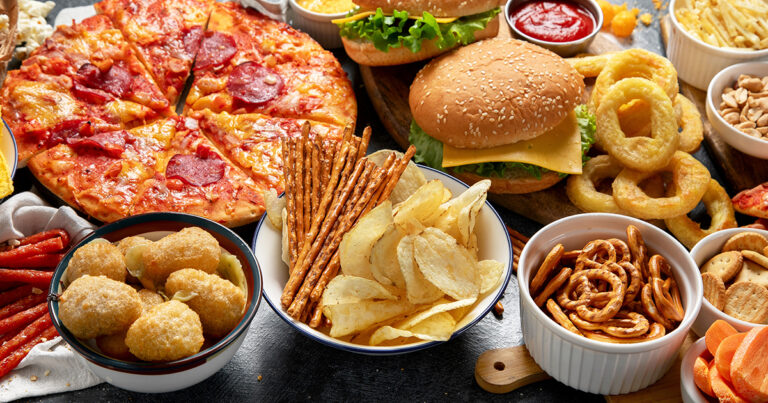
High-fat meals can be particularly challenging to digest in the early stages of recovery. Without the gallbladder concentrating bile for release during fatty meals, fat digestion becomes less efficient. Some people experience loose stools, bloating, gas, or mild abdominal discomfort after eating rich or greasy foods. These symptoms usually improve gradually over the following weeks or months as the digestive system adapts.
Another possible short-term effect is bile acid diarrhea, which occurs when bile continuously entering the intestine irritates the colon. While this can be inconvenient, it is typically temporary and often improves with dietary adjustments. In cases where symptoms persist, healthcare professionals may recommend medications that help bind excess bile acids within the digestive tract.
Tips for Post-Surgery Nutrition
During the initial recovery period, healthcare providers often recommend starting with clear liquids and easily digestible foods before slowly introducing more solid meals. This gradual approach allows the digestive system time to adjust while reducing the likelihood of nausea, bloating, or stomach discomfort. Limiting foods that are especially high in fat during the first few weeks is also advisable. Fried foods, heavily processed meals, fatty cuts of meat, rich sauces, and large portions may temporarily increase digestive discomfort.
Eating smaller meals throughout the day instead of a few large meals can also be beneficial. Because bile now enters the small intestine continuously rather than in concentrated bursts during meals, smaller portions allow fats to be digested more comfortably. Many people find that spreading their food intake over four or five smaller meals helps reduce bloating and abdominal discomfort during recovery.
Fiber plays an important role in digestive health, but increasing fiber intake too quickly may lead to gas or bloating. Healthcare professionals recommend introducing fiber-rich foods gradually. Fruits, vegetables, whole grains, legumes, and oats provide dietary fiber that supports healthy bowel function while supplying essential vitamins and minerals.
Staying well hydrated is equally important, particularly for individuals who experience loose stools after surgery. Drinking adequate amounts of water throughout the day helps replace lost fluids and supports normal digestive function. Clear broths and caffeine-free herbal teas can also be gentle options during the recovery period.
Expect After Gallbladder Removal: Long-Term Outlook
For the vast majority of patients, digestion improves steadily over time. The liver continues producing bile every day, and the digestive system gradually adapts to the new flow pattern. Many people eventually return to a balanced diet that includes moderate amounts of healthy fats without experiencing significant problems. Regular physical activity, once approved by a healthcare provider, also contributes to recovery by promoting circulation and supporting normal bowel function.
It is important to recognize when medical attention is needed after gallbladder surgery. Persistent or worsening abdominal pain, high fever, repeated vomiting, increasing redness or drainage around incision sites, jaundice, chest pain, difficulty breathing, or severe dehydration should always be evaluated promptly by a healthcare professional. While most recoveries proceed smoothly, early recognition of complications allows for timely treatment.
Long-term studies show that most individuals who undergo gallbladder removal enjoy a good quality of life after recovery. Many return to work, travel, exercise, and participate in everyday activities without major limitations. By following medical advice, maintaining a balanced diet, staying physically active, and attending recommended follow-up appointments, patients can resume healthy, active lives after gallbladder removal.