
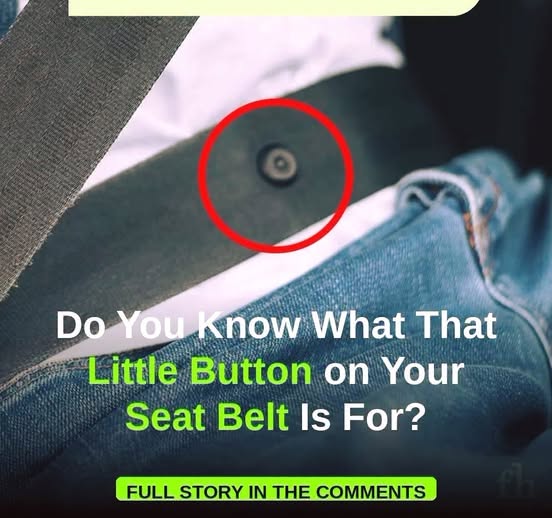
Small Seat Belt Stop Button Plays an Important Role in Everyday Vehicle Safety and Convenience
The small plastic piece attached to a seat belt strap is easy to overlook. Most drivers and passengers use their seat belts every day without paying attention to it, and many people may not know it has a specific purpose.
Although it looks like a minor detail, this small component helps make the seat belt easier and more convenient to use. It keeps the metal latch plate in a predictable position so that the belt can be fastened quickly and without unnecessary searching.
This part is commonly known as a seat belt stop button. It does not look complicated, but it supports one of the most important routines in a vehicle: reaching for the seat belt, pulling it across the body, and securing it before driving or riding.
Many people only notice the stop button after it breaks, loosens, or falls off. When that happens, the metal latch plate can slide too far down the seat belt webbing, often disappearing into an awkward space beside the seat.
Once the latch plate is no longer held in place, a simple action can become frustrating. Instead of grabbing the buckle tongue immediately, a driver or passenger may have to reach between the seat and console, search near the floor, or pull the belt around until the metal piece is found.
What the Seat Belt Stop Button Does
The seat belt stop button is a small plastic component installed directly on the seat belt webbing. Its job is to hold the metal latch plate, also called the buckle tongue, at a set point on the strap.
The latch plate is the metal piece that is inserted into the buckle to secure the seat belt. Without the stop button, the latch plate can move freely along the seat belt strap when the belt is not being used.
The stop button prevents that movement from going too far. It creates a simple barrier that keeps the latch plate from sliding all the way down toward the floor, seat edge, or lower anchor area.
This makes the seat belt easier to use because the buckle tongue remains within reach. Drivers and passengers can locate it quickly instead of searching for it every time they get into the vehicle.
The function may seem basic, but it improves consistency. When the latch plate stays in the same general position, using the seat belt becomes a smooth and familiar action.
Why the Small Plastic Piece Matters
Seat belts are used so often that convenience becomes important. A seat belt that is easy to reach and fasten encourages consistent use, while one that is awkward or inconvenient can create unnecessary irritation.
The stop button helps keep the seat belt organized when it is not in use. It prevents the latch plate from dropping into hard-to-reach areas, where it can become trapped or hidden.
In many vehicles, the space between the seat and center console is narrow. If the latch plate slides into that gap, retrieving it can be uncomfortable and distracting.
On the outer side of the seat, the latch plate may fall toward the door area or lower seat edge. This can also make it harder to grab, especially in a hurry.
A properly placed stop button solves that problem by holding the latch plate where the user expects it to be. This small design detail saves time and reduces frustration during daily driving.
What Happens When the Stop Button Is Missing
When the seat belt stop button is missing or damaged, the latch plate is no longer held in a convenient position. It can slide freely along the strap until it reaches the lowest point allowed by the seat belt design.
This usually causes the buckle tongue to rest near the floor, seat base, or side of the seat. In some cases, it can become wedged between the seat and another interior surface.
The seat belt can still function mechanically, but using it becomes less convenient. A driver may need to twist around, reach down, or pull on the belt repeatedly to locate the latch plate.
Passengers may experience the same problem. The issue can be especially annoying when entering and exiting the vehicle frequently or when multiple people use the same seat.
Small inconveniences can add up. A missing stop button may not seem important at first, but repeated difficulty finding the latch plate can make seat belt use feel more troublesome than it should be.
Indirect Impact on Safety Habits
The seat belt stop button does not control the locking mechanism, the retractor, or the strength of the seat belt webbing. It is not the part that holds a person in place during a sudden stop or collision.
Even so, it supports safe behavior indirectly. Seat belts are among the most important safety systems in a vehicle, and they are only useful when they are worn correctly.
Anything that makes fastening a seat belt easier can support more consistent use. Anything that makes the process inconvenient can discourage proper use, especially when people are rushed, tired, or distracted.
A driver who must search for the buckle tongue before every trip may become frustrated. A passenger who cannot easily reach the latch plate may delay fastening the belt or need help from someone else.
The stop button helps prevent those issues. By keeping the latch plate accessible, it makes the safe action the easy action.
Helpful for Children, Older Passengers, and People With Limited Mobility
A properly positioned latch plate can be especially helpful for children, elderly passengers, and individuals with limited mobility. These passengers may have more difficulty reaching down between seats or adjusting the strap to find the buckle tongue.
For a child, a latch plate that stays at a consistent height can make learning to buckle up easier. It reduces confusion and helps build a reliable habit.
For an older passenger, not having to bend, twist, or search near the seat base can make the process more comfortable. This can be important when mobility is limited or when movement causes discomfort.
For anyone with physical limitations, accessibility matters. A small part that keeps the buckle tongue within easy reach can make the difference between a smooth process and an irritating one.
Seat belt use should be simple for every passenger. The stop button contributes to that goal by keeping an essential part of the belt where it is easy to find.
A Simple Part in a Larger Seat Belt System
The seat belt system includes several parts working together. These include the webbing, latch plate, buckle, retractor, anchoring points, and other components designed to support comfort and restraint.
Each part has a role. The webbing wraps across the body. The latch plate connects to the buckle. The retractor manages the belt’s movement. The anchor points secure the system to the vehicle.
The stop button has a different kind of purpose. It is mainly a usability feature rather than a crash protection component.
Its job is not to absorb force or lock the belt during an emergency. Instead, it keeps the latch plate from falling out of reach when the belt is not fastened.
This shows how vehicle design includes both major safety engineering and smaller convenience features. A system can be strong and effective, but it also needs to be easy enough for people to use every day.
Why Drivers Should Not Ignore It
Because the stop button is small, it may be tempting to ignore it when it breaks. Some drivers continue using the seat belt without replacing the missing piece, assuming it is not worth attention.
However, small vehicle components often serve practical purposes. When they fail, the effect may not be dangerous by itself, but it can reduce comfort and convenience.
A missing stop button may create a repeated distraction. Before starting the vehicle, a driver may spend extra time searching for the buckle tongue or trying to pull it into place.
That may seem minor, but reducing distractions is always helpful. A smoother start to a drive allows the driver to focus more quickly on the road, passengers, mirrors, and surrounding traffic.
Keeping the seat belt easy to use also supports better habits. When safety equipment works smoothly, people are less likely to avoid or delay using it.
Common Reasons the Stop Button Breaks
Seat belts are designed to last for many years under normal conditions, but small plastic components can wear out. The stop button may be handled repeatedly over time as the belt is pulled, released, and adjusted.
Pressure from the latch plate can also affect the plastic. Each time the belt retracts, the latch plate may rest against the stop button, adding wear over many uses.
Heat and sunlight can weaken plastic parts inside a vehicle. Over time, exposure can make small components more brittle, especially in vehicles that spend long periods parked in warm conditions.
General age can also play a role. A stop button that has been in place for years may eventually crack, loosen, or fall off.
When that happens, the seat belt may still retract and latch, but the buckle tongue will no longer stay where it belongs. Replacing the stop button restores that lost convenience.
Replacing a Broken Seat Belt Stop Button
In many cases, replacing a seat belt stop button is simple and inexpensive. Replacement parts are widely available in universal designs that fit many seat belt straps.
Most replacement stop buttons are made to attach directly to the seat belt webbing. Many are snap-on or clamp-style parts that do not require specialized tools.
The repair usually involves placing the button at the correct height on the strap. The location should allow the latch plate to rest in a convenient position where it can be reached easily.
Once secured, the stop button prevents the buckle tongue from sliding down too far. At the same time, the seat belt should still extend and retract smoothly during normal use.
The goal is to restore the original convenience of the system without interfering with the seat belt’s movement. When installed correctly, the button simply holds the latch plate in place when the belt is not in use.
Choosing the Correct Position
The stop button should be positioned so that the latch plate remains easy to grab. If it is placed too low, the buckle tongue may still fall into an inconvenient area.
If it is placed too high, it may not feel natural when reaching for the belt. The correct position is usually similar to where the original stop button was located before it broke or came loose.
The latch plate should rest at a height that allows the user to pull the belt across the body smoothly. It should not require bending down or stretching awkwardly.
After installation, the seat belt should be tested through normal movement. The belt should pull out, retract, and latch without obstruction.
If the belt does not move smoothly after a replacement is installed, the position or attachment should be checked. The stop button should support convenience without interfering with the rest of the system.
Small Details Improve Daily Driving
Vehicle usability depends on many small details that drivers may not notice until something stops working properly. The seat belt stop button is one example.
It does not draw attention when it is working. It quietly keeps the latch plate where it belongs, allowing the driver or passenger to buckle up without thinking about it.
When it breaks, its value becomes clearer. The latch plate begins sliding down, the seat belt becomes less convenient, and a simple habit takes more effort.
This is why small repairs can improve the driving experience. Restoring a missing stop button does not change the vehicle’s performance, but it makes everyday use smoother.
It also helps maintain the order of the seat belt system. The strap, latch plate, and buckle are easier to manage when each component remains in its intended place.
Connection Between Convenience and Safety
Convenience and safety are often connected in vehicle design. A safety feature is most effective when people use it correctly and consistently.
Seat belts are designed to reduce injury risk during sudden stops or collisions. Their effectiveness depends on passengers wearing them properly before the vehicle is moving.
A seat belt that is easy to access supports that behavior. The stop button helps by making the latch plate visible, reachable, and ready for use.
This does not mean the stop button is a primary safety device. It means the button supports the routine that allows the primary safety system to be used without delay.
Small improvements in ease of use can encourage better habits over time. When buckling up is simple, people are more likely to do it automatically.
A Minor Repair With Practical Value
Addressing a missing or broken seat belt stop button is usually a minor repair, but it can have practical value. It restores the normal position of the latch plate and prevents daily frustration.
Drivers who notice the buckle tongue sliding down the strap should check whether the stop button is missing or damaged. If the small plastic piece is gone, replacement may solve the issue quickly.
Passengers may also notice the problem, especially in seats that are used less often. Rear seats, passenger seats, or older vehicles may have stop buttons that are worn, cracked, or missing.
Replacing the part helps make the seat belt easier for everyone to use. It is a small step that supports comfort, order, and consistent seat belt access.
Because the repair is usually straightforward, it should not be ignored for long. A small inconvenience can become a regular irritation when it happens every time the vehicle is used.
The Purpose Behind a Simple Design
The seat belt stop button is a reminder that even the smallest parts in a vehicle can have a purpose. It may not appear important at first glance, but it solves a common problem before most users even notice it.
By stopping the latch plate from sliding too far, it keeps the seat belt ready for use. That simple action improves convenience and supports the habit of fastening the belt before travel.
The part also helps different passengers use the seat belt more comfortably. Children, older adults, and people with limited mobility benefit when the buckle tongue remains within easy reach.
Although the stop button does not provide crash protection directly, it contributes to the usability of the seat belt system. A safety system that is easier to use is more likely to be used consistently.
For that reason, a missing or broken stop button should be treated as a small but worthwhile repair. Restoring it brings the seat belt back to the practical, convenient arrangement intended by the vehicle’s design.
In everyday driving, the seat belt stop button performs a quiet but useful job. It keeps the latch plate in place, reduces searching and frustration, supports smoother buckling, and helps maintain a simple safety routine that matters every time a vehicle is used.