
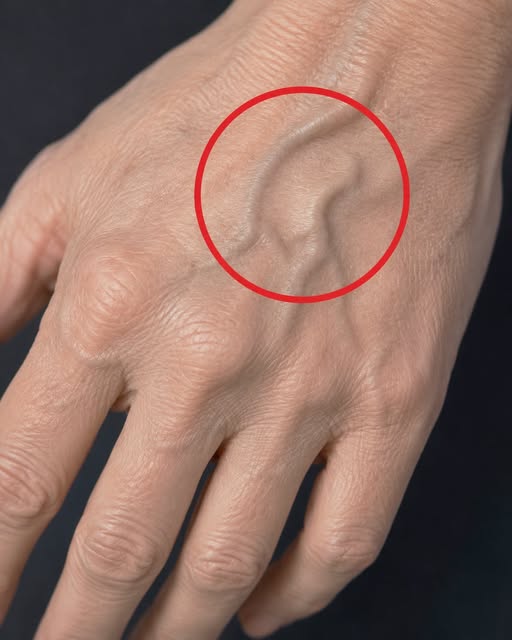
Visible Veins Can Be Harmless but May Sometimes Signal an Underlying Health Issue
Visible veins are common and, in many cases, do not indicate a serious medical problem. For some people, veins naturally appear closer to the surface of the skin because of normal body structure, age-related changes, regular exercise, or lower levels of body fat.
In these situations, veins may look more noticeable even when blood circulation is functioning normally. The appearance alone does not always mean that something is wrong.
However, changes in vein appearance should not be ignored when they happen suddenly or come with discomfort. Veins that become newly prominent, swollen, twisted, tender, or painful may suggest that circulation is being affected by an underlying condition.
The meaning of visible veins depends on several factors, including where they appear, how quickly they change, whether they are painful, and whether other symptoms are present. Some causes are minor, while others may require prompt medical attention.
When Visible Veins Are Usually Harmless
Veins are part of the body’s normal circulatory system, carrying blood back toward the heart. Because they run beneath the skin, it is possible for them to become visible under certain ordinary circumstances.
Aging is one common reason veins may become easier to see. As the body changes over time, the skin may become thinner and less elastic, making veins beneath the surface more noticeable.
This does not automatically mean the veins are unhealthy. It may simply reflect natural changes in skin thickness and tissue structure that occur over the years.
Physical activity can also make veins stand out. People who exercise regularly may notice more visible veins, especially in the arms, hands, or legs. During activity, blood flow increases, and muscles may become more defined, making veins appear larger or more prominent.
Low body fat can have a similar effect. When there is less fat beneath the skin, veins may be easier to see. This is often noticeable in people with lean builds or those whose veins naturally sit closer to the surface.
In these cases, visible veins may not be a warning sign. They may be part of normal anatomy or a response to physical conditioning, aging, or body composition.
Why Sudden Changes Matter
Although visible veins are often harmless, a sudden change in their appearance can carry a different meaning. A vein that quickly becomes enlarged, swollen, painful, or unusually prominent may be linked to a circulation problem.
The body’s veins rely on proper blood flow. When blood does not move efficiently, pressure can increase inside the veins. This pressure may cause veins to expand, bulge, or appear more visible through the skin.
Pain is especially important. Veins that are simply visible but not painful may be less concerning than veins that become tender, sore, swollen, or associated with heaviness in the legs.
Location also matters. Prominent veins in the legs may point toward venous circulation issues, while veins that become noticeable in the neck, arms, or legs along with other symptoms may suggest a broader circulation problem.
Because the causes can range from harmless to serious, unexplained vein changes should be taken seriously when they appear suddenly or are accompanied by other symptoms.
Chronic Venous Insufficiency
One common condition associated with visible veins is chronic venous insufficiency, also known as CVI. This condition occurs when the valves inside the veins become weakened or do not work properly.
Veins contain valves that help blood move in the right direction. In the legs, these valves are especially important because blood must move upward against gravity as it returns toward the heart.
When the valves are weak, blood may not flow upward as efficiently as it should. Instead, it can collect or pool in the veins of the legs.
This pooling increases pressure inside the veins. Over time, the veins can stretch, enlarge, and become more visible. In some cases, they may also become twisted or raised beneath the skin.
Chronic venous insufficiency can lead to symptoms beyond visible veins. A person may notice aching, heaviness, swelling, or discomfort in the legs, especially after standing or sitting for long periods.
The condition can develop gradually, which means some people may first notice cosmetic changes before recognizing that their legs also feel heavy or uncomfortable.
Varicose Veins and Poor Venous Circulation
Varicose veins are one of the most familiar signs of poor venous circulation. They are enlarged, twisted veins that often appear in the legs.
These veins may look blue, purple, raised, or rope-like beneath the skin. They can vary in size and may become more noticeable over time.
Varicose veins are often connected to the same circulation problem seen in chronic venous insufficiency. When the valves in the veins do not work well, blood can pool and stretch the vein walls.
For some people, varicose veins are mainly a visible change and do not cause major symptoms. For others, they can bring discomfort, pressure, aching, swelling, or a feeling of heaviness in the legs.
Symptoms may be more noticeable after long periods of standing. The legs may feel tired, full, or uncomfortable as the day goes on.
Varicose veins are common, but that does not mean every case should be dismissed. If they are painful, worsening, or linked to swelling, they should be evaluated by a healthcare professional.
Medical evaluation can help determine whether the veins are only a surface issue or part of a larger circulation problem involving blood flow in the legs.
Deep Vein Thrombosis
A more serious condition linked to circulation changes is deep vein thrombosis, or DVT. This occurs when a blood clot forms inside a deep vein, most often in the leg.
Unlike surface veins, the clot itself is not visible from the outside. A person may not be able to see the deep vein involved. However, the clot can interfere with normal circulation.
When blood flow is affected, nearby surface veins may appear more noticeable. This can happen because the body’s circulation is under pressure or because blood is being redirected through other vessels.
Deep vein thrombosis requires urgent medical attention. A clot in a deep vein can be dangerous and should not be treated as a minor vein problem.
Visible veins alone do not prove that a person has DVT. However, sudden vein changes accompanied by pain, swelling, or other concerning symptoms should be taken seriously.
The key difference is urgency. Varicose veins or chronic venous insufficiency may develop gradually, but DVT can involve a blood clot that requires prompt evaluation.
Anyone who experiences sudden leg swelling, pain, or unexplained circulation changes should seek medical care rather than trying to judge the cause based only on appearance.
Congestive Heart Failure and Prominent Veins
In some cases, visible or enlarged veins may be connected to congestive heart failure, also known as CHF. This condition occurs when the heart has difficulty pumping blood efficiently.
When the heart cannot pump as strongly as the body needs, pressure may build within the venous system. This can cause veins in certain areas to appear more prominent.
Prominent veins linked to congestive heart failure may be seen in areas such as the neck, arms, or legs. Their appearance may be part of a broader pattern of fluid and pressure changes in the body.
Congestive heart failure is usually not identified by visible veins alone. Other symptoms often occur at the same time, including swelling, fatigue, and shortness of breath.
Swelling may appear in the legs or other parts of the body as fluid builds up. Fatigue can develop because the body is not receiving the level of circulation it needs for normal activity.
Shortness of breath is another important symptom. When visible veins occur together with breathing difficulty, tiredness, or swelling, the situation should be evaluated by a medical professional.
Because congestive heart failure involves the heart’s ability to pump blood, it is a condition that requires medical attention and ongoing care.
How to Think About Visible Veins
The presence of visible veins does not always mean disease. Many people have veins that are naturally easy to see, especially with age, physical activity, or low body fat.
The more important question is whether the veins have changed. A stable vein pattern that has been present for years may be less concerning than veins that suddenly become swollen, painful, or much more prominent.
Symptoms should also guide concern. Pain, heaviness, swelling, fatigue, or shortness of breath can change the significance of visible veins.
For example, visible veins in the legs with aching or swelling may suggest poor venous circulation. Sudden circulation changes with leg pain may raise concern for a more urgent condition. Prominent veins with fatigue and shortness of breath may point to a broader cardiovascular issue.
Because different conditions can produce similar visible changes, appearance alone is not enough to determine the cause. A healthcare professional can evaluate symptoms, examine the veins, and decide whether further testing or treatment is needed.
When to Seek Medical Evaluation
Medical evaluation is especially important when visible veins appear suddenly without a clear reason. A new change may indicate that blood flow has been altered.
Veins that become swollen, painful, or tender should also be checked. Discomfort may suggest increased pressure, inflammation, poor circulation, or another underlying issue.
Changes in the legs deserve careful attention because several vein-related problems commonly affect leg circulation. These include chronic venous insufficiency, varicose veins, and deep vein thrombosis.
Visible veins accompanied by leg swelling, heaviness, or discomfort may point toward venous insufficiency or varicose veins. Sudden pain or swelling can be more concerning and should not be ignored.
Prominent veins that appear along with fatigue, swelling in the body, or shortness of breath should also be evaluated. These symptoms may indicate that the issue is not limited to the surface veins.
Seeking medical advice does not mean every visible vein is dangerous. It means that sudden or unexplained changes should be assessed so serious causes can be ruled out.
A Balanced View of Vein Changes
Visible veins can have many explanations. Some are completely normal, while others reflect changes in circulation that require attention.
Aging, exercise, and low body fat can make veins easier to see without indicating illness. These causes are common and often harmless when no pain, swelling, or sudden change is present.
At the same time, prominent veins can sometimes be connected to chronic venous insufficiency, varicose veins, deep vein thrombosis, or congestive heart failure. These conditions differ in severity, but each involves the body’s circulation in some way.
Chronic venous insufficiency can allow blood to pool in the legs because weakened valves fail to move blood efficiently. Varicose veins may develop as veins enlarge and twist under pressure.
Deep vein thrombosis is more urgent because it involves a clot in a deep vein. Congestive heart failure can make veins more prominent when pressure builds in the venous system because the heart is not pumping effectively.
For that reason, the safest approach is to pay attention to changes rather than panic over visibility alone. Veins that have always been noticeable may be normal for a person’s body, while veins that suddenly change deserve closer evaluation.
Because the possible causes range from harmless to serious, sudden or unexplained vein changes should be reviewed by a healthcare professional. Proper evaluation can help determine whether the appearance is a normal variation or a sign of an underlying health condition that needs care.