
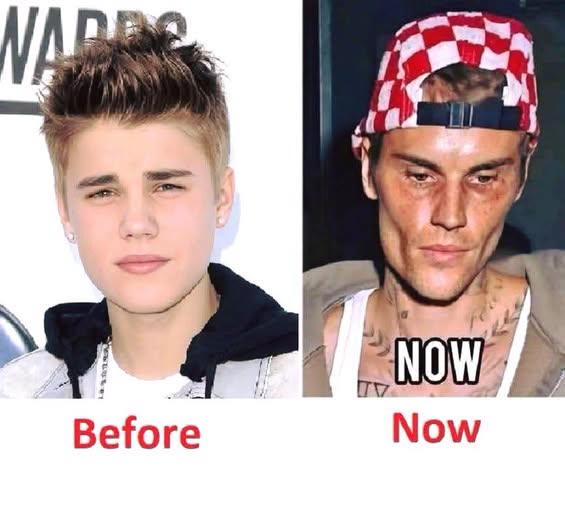
How Stress, Fame, and Social Media Can Shape Public Perceptions of Celebrity Health
Life Under Constant Public Observation
Modern celebrity culture places public figures under a level of observation that can be difficult to imagine from the outside.
Every appearance, photograph, interview, and public moment can be examined almost instantly across social media platforms. A single image or short video can lead to widespread discussion within minutes.
For many audiences, fame may appear glamorous. It is often associated with success, wealth, travel, attention, and professional achievement.
However, public visibility also comes with pressure. Constant attention can affect how people are perceived, how their bodies are discussed, and how ordinary changes in appearance are interpreted by others.
This scrutiny can become especially intense when audiences believe they notice a change in a celebrity’s face, body, energy level, or behavior.
While curiosity is common, the pressure created by constant observation can have real emotional and physical effects. Researchers in health psychology have long noted that chronic stress may influence the body in ways that become visible or measurable over time.
Stress as a Biological Process
Stress is often described as an emotional experience, but it is also a biological process.
When a person experiences stress, the body responds by releasing hormones such as cortisol and adrenaline. These hormones are part of the natural “fight or flight” response.
This response can be useful in short bursts because it prepares the body to react to pressure, danger, or demanding situations. The body becomes alert, energy increases, and attention sharpens.
However, problems can arise when stress remains active for too long or is triggered too frequently. Prolonged stress can place strain on the body’s normal recovery systems.
Over time, repeated stress responses may contribute to fatigue, disrupted sleep, appetite changes, and shifts in overall energy. These effects can vary greatly from one person to another.
In some cases, stress-related changes may become noticeable in physical appearance. That does not mean appearance alone can reveal a person’s health, but it does show that emotional pressure and biological processes are closely connected.
The Demands of a High-Pressure Public Career
Globally recognized entertainers often face schedules that extend far beyond the performances audiences see on stage or screen.
Their work may include international tours, recording sessions, promotional events, interviews, public appearances, and professional obligations that require constant movement and preparation.
These demands can create a routine with limited time for rest. Even when an artist appears polished in public, the schedule behind that appearance may involve long hours, travel, and repeated pressure to perform.
Frequent travel across time zones can also disrupt the body’s internal clock, known as the circadian rhythm.
When circadian rhythms are disrupted, sleep quality may suffer. The body may struggle to maintain consistent cycles of rest, recovery, digestion, and energy regulation.
Over time, this disruption can contribute to visible tiredness or exhaustion. It may also affect eating schedules, hydration, and overall physical stability.
Although these challenges are common in entertainment, they are not unique to celebrities. Similar effects can appear in professions involving shift work, overnight schedules, long travel demands, or high-pressure environments.
How Lifestyle Pressure Can Affect Appearance
Scientific discussions of stress often include its possible effects on the body’s visible condition.
Stress can influence skin condition, muscle tension, facial expression, weight changes, and general energy levels. These signs are not identical in every person and should not be treated as proof of a specific health condition.
A person under stress may appear tired in one photograph and healthy in another. Someone may look different after a long flight, a busy work period, poor sleep, or a physically demanding schedule.
Facial appearance can also change naturally over time. Aging, hydration levels, lifestyle habits, and biological changes all play a role.
As people move from their twenties into their thirties and beyond, subtle changes in facial structure and fat distribution are normal. These changes can affect how someone looks in photographs, especially when compared with images from earlier years.
Such differences can be misread when they are viewed without context. A public figure may simply be aging normally, recovering from a demanding schedule, or appearing under unusual lighting.
The Limits of Photographs and Videos
A single photograph rarely gives a complete picture of a person’s health or well-being.
Lighting can change how the face appears. Harsh light may emphasize shadows, lines, or signs of tiredness, while softer light may create a very different impression.
Camera angles can also distort appearance. A photo taken from below, from the side, or during movement may make someone look unlike their usual public image.
Image quality matters as well. Low-resolution screenshots, compressed videos, and cropped social media clips can create misleading impressions.
A person photographed after travel, long work hours, or public obligations may look different from how they would appear after rest. That moment does not necessarily reflect their overall health.
This is why it is important to avoid drawing broad conclusions from isolated images. Visual material can provide a moment, but it cannot provide the full story.
Social Media and Rapid Misinterpretation
Social media platforms can amplify speculation about public figures very quickly.
Short videos and photographs often circulate without background information. Viewers may see an image without knowing when it was taken, what happened before it, or what conditions shaped the moment.
This lack of context can lead to assumptions. A tired expression may be described as alarming. A change in weight may be treated as a sign of illness. A brief moment of low energy may be interpreted as proof of a serious problem.
One common issue is “armchair diagnosis,” where people attempt to identify health conditions based only on visual content.
Medical professionals consistently warn against this practice because real diagnosis requires clinical evaluation. It cannot be made from a photograph, a short clip, or a social media post.
Medical context includes personal history, symptoms, lifestyle, environment, and professional examination. Without those details, public speculation remains unreliable.
Why Sensational Claims Spread Online
Social media platforms often reward content that creates strong emotional reactions.
Posts that seem shocking, alarming, or dramatic can receive more attention than careful explanations. This can encourage exaggerated interpretations of celebrity appearances.
Algorithms may push emotionally charged content to wider audiences because people are more likely to comment, share, or react to it.
As a result, isolated images can be framed in extreme ways. A normal change in appearance may be presented as a crisis, and an ordinary moment of fatigue may become the center of public speculation.
This cycle can spread misinformation. Once a claim circulates widely, many people may repeat it without checking whether it is based on verified information.
The speed of online discussion often leaves little room for caution, context, or empathy.
Why Fans Become Concerned
Fans often feel strong emotional connections to the public figures they admire.
Music, films, performances, interviews, and public appearances can become part of personal memories. For many people, entertainers are connected to important moments in their own lives.
Because of that connection, fans may feel genuine concern when they believe a celebrity looks different or appears tired.
This reaction can come from care and empathy. It is natural for people to worry about someone whose work has mattered to them.
However, concern can quickly turn into speculation when it moves beyond what is known. Without verified statements from the person involved or official representatives, assumptions about health remain unconfirmed.
There is an important difference between expressing hope that someone is well and claiming to know what is happening to them medically.
Many Factors Can Influence Appearance
A person’s appearance can change for many reasons.
Stress, workload, sleep quality, diet, hydration, personal lifestyle changes, natural aging, and recovery from past illness can all influence how someone looks at a particular time.
Some people gain weight during stressful periods. Others lose weight. Some may experience changes in appetite, while others may notice shifts in energy or sleep patterns.
These responses are shaped by genetics, environment, nutrition, mental health, and daily routine.
Conditions such as anxiety or prolonged stress may affect appetite and energy levels, but the effects are not the same for everyone.
This variability makes it risky to generalize based on appearance alone. A visible change does not automatically point to one explanation.
The Importance of Responsible Media Consumption
Media literacy is essential in an environment where images and claims spread quickly.
Understanding how photos are taken, edited, cropped, and distributed can help audiences interpret celebrity content more carefully.
A responsible approach begins with recognizing that not every viral image tells a complete story. A screenshot may be taken from an unflattering angle, a video may lack context, and a caption may exaggerate what is actually known.
Reliable information should come from verified sources, official statements, or credible reporting.
Unverified posts, anonymous claims, and speculative commentary should be treated with caution. These forms of content can create confusion, especially when they involve personal health.
Responsible media consumption also requires respecting boundaries. Public figures may share parts of their lives with audiences, but they are still entitled to privacy.
Privacy and Personal Health
Health is deeply personal, even for people who live in the public eye.
A public figure’s career may involve visibility, but that does not mean every detail of their physical or mental condition belongs to the public.
Private health matters should not become entertainment. Speculation can add pressure to people who may already be dealing with demanding schedules, personal challenges, or ordinary life changes.
Respecting privacy does not mean ignoring concern. It means expressing concern without turning uncertainty into claims.
When no verified information is available, the most respectful position is to avoid making conclusions.
This approach allows space for empathy without contributing to misinformation or unnecessary public pressure.
Health as a Complex Interaction
Health cannot be understood through a single visible trait.
The body reflects a complex interaction of physical, psychological, environmental, and lifestyle factors.
Sleep, nutrition, workload, emotional stress, genetics, and recovery all contribute to how someone feels and appears.
For celebrities, these factors may be intensified by public schedules and constant visibility. For non-celebrities, similar pressures may appear through demanding jobs, family responsibilities, travel, or personal stress.
Because human bodies respond differently, there is no universal visual sign that can explain what someone is experiencing.
This complexity is why medical evaluation must be left to qualified professionals with access to real information, not social media users analyzing images from a distance.
A More Compassionate View of Fame
Public conversations about celebrities often focus heavily on appearance.
This focus can overlook the human experience behind fame. Public figures may be successful and widely admired, but they still experience fatigue, stress, aging, illness, recovery, and emotional pressure.
Fame does not remove ordinary biological needs. Celebrities still need sleep, rest, nourishment, privacy, and support.
The difference is that their tired moments may be photographed, shared, and analyzed by millions of people.
A more compassionate perspective recognizes that visibility does not make someone less human. It also recognizes that public discussion can either increase pressure or create a more respectful environment.
Choosing empathy over speculation helps shift attention away from assumptions about health and back toward a person’s work, creativity, and contributions.
Separating Concern From Speculation
Concern becomes more helpful when it is expressed carefully.
It is reasonable for fans to hope that a public figure is healthy, rested, and supported. It is also reasonable to notice that someone looks tired or different.
However, it becomes harmful when observation turns into diagnosis or when speculation is repeated as fact.
Without confirmation, claims about illness, mental health, or personal struggles remain assumptions. Those assumptions can spread quickly and become difficult to correct.
A balanced response is to acknowledge that people change over time and that public images may not tell the full story.
This approach protects both accuracy and dignity.
Why Context Matters
Context is essential when interpreting any public appearance.
A celebrity may have just traveled across time zones, finished a demanding performance schedule, attended multiple events, or worked through long hours before being photographed.
They may also be experiencing normal changes related to age, lifestyle, or personal routine.
Without that background, a single image can be misleading. It may capture exhaustion, bad lighting, an awkward expression, or a temporary moment that does not represent the person’s overall condition.
Social media often removes that context. Images are reposted with short captions, dramatic claims, or emotional reactions that shape how viewers interpret them.
Adding context back into the conversation can prevent unfair assumptions.
Final Reflection on Media, Health, and Respect
Discussions about celebrity health should be handled with caution, respect, and awareness of context.
It is natural for audiences to be curious about public figures, especially when they feel emotionally connected to someone’s work. Still, curiosity should not become unsupported speculation.
Stress, demanding schedules, frequent travel, sleep disruption, and natural aging can all affect appearance. These factors are part of human life and may be especially visible for people who are constantly photographed.
Social media can make these moments seem more dramatic by presenting isolated images without background or explanation.
The most responsible approach is to rely on credible information, avoid visual diagnosis, and respect personal boundaries.
Public figures may live in the spotlight, but they remain human beings deserving of dignity, privacy, and understanding.
A more thoughtful media culture begins with remembering that appearance is not a complete medical record, fame is not protection from stress, and empathy is more valuable than speculation.