
Hives (Urticaria): Causes, Symptoms, Treatment, and When to Seek Help
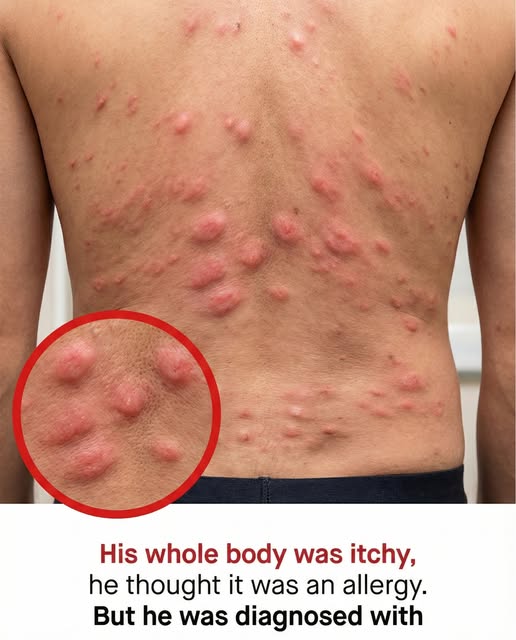
Hives, medically known as urticaria, are raised, itchy welts that can suddenly appear on the skin. They may sting, burn, or feel painful, and they often vary in size and shape. While many cases are short-lived and harmless, others can become chronic or occur as part of a serious allergic reaction that requires immediate medical attention.
What Are Hives?
Hives are a skin reaction caused by the release of histamine and other chemicals into the bloodstream. This release causes small blood vessels to leak fluid into surrounding tissues, producing the characteristic raised welts.
The welts may appear anywhere on the body and can:
- Be red, pink, purple, or skin-colored depending on skin tone
- Change shape and size
- Move from one area of the body to another
- Disappear and reappear within hours
- Cause intense itching or burning sensations
Common Causes of Hives
Hives are often triggered by allergic reactions, but many other factors can also contribute.
Allergic Triggers
- Certain foods (such as nuts, shellfish, eggs, or milk)
- Medications
- Insect stings or bites
- Pollen
- Animal dander
- Latex
Non-Allergic Triggers
- Emotional stress
- Exercise
- Viral or bacterial infections
- Autoimmune conditions
- Pressure from tight clothing
- Heat exposure
- Cold temperatures
- Excessive sweating
In many cases, especially with chronic hives, no specific cause can be identified.
Who Is More Likely to Develop Hives?
You may have a higher risk of developing hives if you:
- Have a history of allergies
- Have asthma or eczema
- Take medications known to trigger allergic reactions
- Are exposed to environmental allergens
- Have certain infections or autoimmune diseases
- Have experienced hives previously
Symptoms of Hives
Symptoms can vary from mild to severe. Common signs include:
- Raised welts or patches on the skin
- Intense itching (pruritus)
- Welts that change location, shape, or size
- Red, pink, purple, or skin-colored bumps
- Burning or stinging sensations
- Symptoms that come and go repeatedly
Angioedema
Some people develop angioedema, a deeper form of swelling that commonly affects:
- Lips
- Eyelids
- Cheeks
- Tongue
- Hands and feet
This swelling can be uncomfortable and, in severe cases, dangerous if it affects breathing.
Acute vs. Chronic Hives
Acute Hives
Acute hives typically last less than six weeks and are often caused by allergic reactions, infections, or temporary environmental triggers.
Chronic Hives
Chronic hives persist for more than six weeks and may continue for months or even years. They frequently recur and often have no clearly identifiable trigger.
Symptoms may worsen with:
- Stress
- Exercise
- Heat exposure
- Certain medications
How Are Hives Diagnosed?
Doctors can often diagnose hives through a physical examination and a review of symptoms.
If an allergy is suspected, additional testing may include:
- Blood tests
- Skin allergy tests
- Evaluation for infections or autoimmune conditions
For chronic hives, further investigations may be needed to rule out underlying medical conditions.
Treatment Options
Treatment depends on the severity and cause of the hives.
Antihistamines
Antihistamines are the most common treatment and help reduce itching and swelling.
Examples include:
- Cetirizine (Zyrtec)
- Loratadine (Claritin)
- Fexofenadine (Allegra)
- Diphenhydramine (Benadryl)
Always follow medical advice regarding medication use.
Home Care Measures
Many mild cases can be managed at home by:
- Avoiding scratching
- Wearing loose-fitting clothing
- Using cool compresses
- Taking cool or lukewarm baths
- Adding colloidal oatmeal or baking soda to bath water
- Avoiding known triggers when possible
- Staying away from hot showers and baths
When to Seek Medical Attention
Consult a healthcare professional if:
- Hives last longer than a few days
- Symptoms are severe
- Episodes continue to recur
- Swelling becomes significant
- You cannot identify a trigger
Emergency Warning Signs
Seek immediate emergency care if hives occur alongside symptoms of anaphylaxis, a severe allergic reaction that can become life-threatening.
Emergency symptoms include:
- Difficulty breathing
- Wheezing
- Swelling of the tongue or throat
- Swelling of the lips or mouth
- Dizziness or fainting
- Rapid heartbeat
- Severe weakness
Anaphylaxis requires urgent treatment and should never be ignored.
Key Takeaway
Most cases of hives are temporary and resolve with antihistamines or simple self-care measures. However, persistent hives, recurring outbreaks, or symptoms accompanied by swelling and breathing difficulties should be evaluated by a healthcare professional.
Understanding your triggers, avoiding known allergens, and seeking medical attention when necessary can help manage symptoms effectively and reduce the risk of complications.