
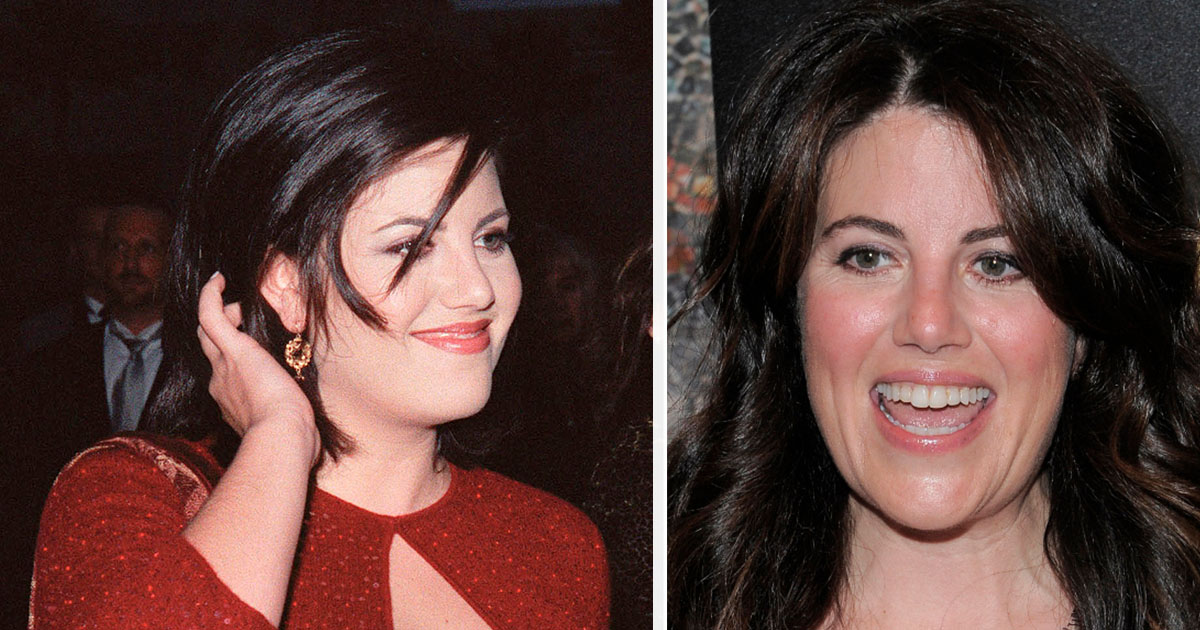
Monica Lewinsky Reflects on Love, Power, and the Lasting Impact of a Defining Political Scandal
Thirty Years Later, Monica Lewinsky Revisits a Life-Changing Chapter
Three decades after becoming one of the most recognizable figures in modern American political history, Monica Lewinsky is speaking openly about the events that transformed her life and shaped public perceptions of her for years.
Now 51 years old, Lewinsky has been reflecting on the relationship that thrust her into an international spotlight while she was still a young woman at the start of her professional career.
During a recent appearance on Elizabeth Day’s podcast How To Fail, Lewinsky discussed the affair she had with then-President Bill Clinton while working as a White House intern.
The scandal became one of the most closely followed political stories of the late 1990s. It dominated news coverage, fueled intense public debate, and ultimately contributed to impeachment proceedings against Clinton.
For Lewinsky, however, the consequences extended far beyond politics.
A Young Woman’s Perspective on Love
Looking back on the relationship, Lewinsky offered insight into how she understood her feelings at the time.
She described the experience as something viewed through the eyes of a young woman in her early twenties.
“It was 22 to 24-year-old young woman’s love,” she said.
Lewinsky acknowledged that her emotions were influenced by a range of factors, including what she described as limerence.
“I think there was some limerence there and all sorts of other things, but that’s how I saw it then. I think it was also an abuse of power.”
Her comments highlight the complexity with which she now views the relationship, combining personal feelings from that period with a broader understanding of the power imbalance that existed.
At the time the relationship became public, Lewinsky was 22 years old. Clinton was 49 and serving as President of the United States.
The significant difference in age and authority has remained a central topic in discussions surrounding the scandal.
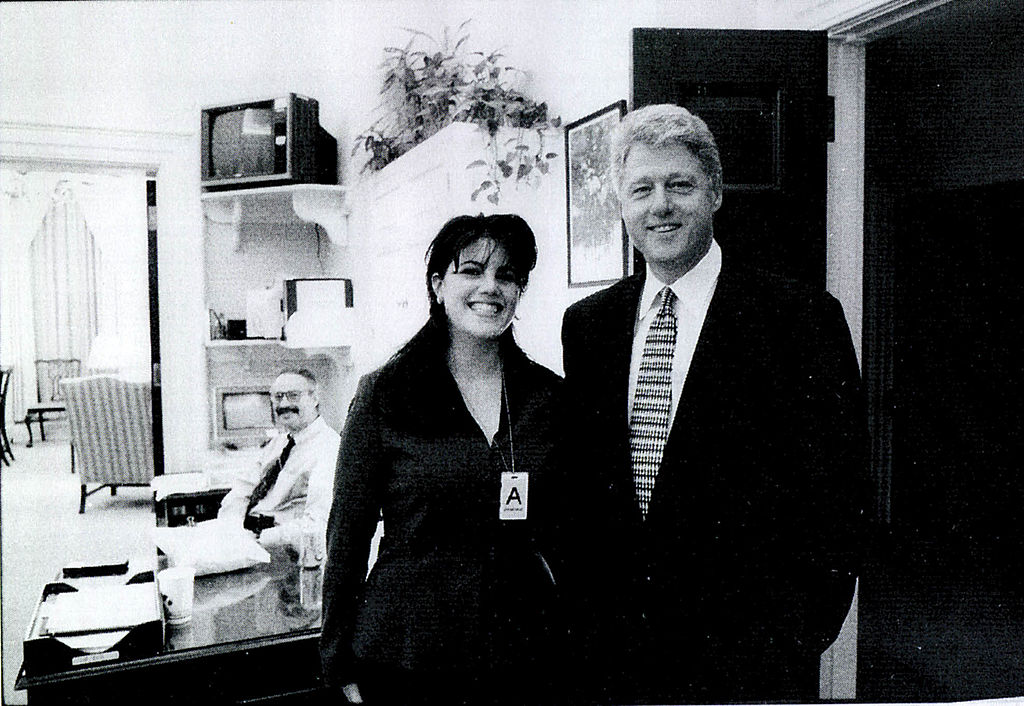
From White House Opportunity to Public Controversy
Lewinsky recalled beginning her professional life with what many graduates would consider an extraordinary opportunity.
Her first job after college placed her inside the White House, an environment associated with prestige and influence.
She explained that she never imagined such a promising start could eventually affect her ability to secure employment years later.
“My very first job out of college was working in the White House,” she explained.
“I don’t think that’s the kind of trajectory that someone thinks then 10, 12 years later, that person’s not going to be able to get hired.”
The public fallout from the scandal had long-term effects on her personal and professional life.
Rather than being remembered for her work experience or qualifications, she became closely associated with a single chapter of her youth.
The Public Image That Followed
One of the most difficult aspects of the aftermath, Lewinsky said, involved the way she was portrayed after the affair became public knowledge.
She argued that an unflattering and dismissive image of her was promoted during the crisis.
According to Lewinsky, she was characterized using an insulting label that reduced her identity and overshadowed her abilities.
“I wasn’t a dumb bimbo. I was portrayed to be, and that was a big struggle for me to deal with that.”
She described the experience as deeply damaging, particularly because the public perception created during that period became difficult to escape.
The portrayal followed her for years and influenced how many people viewed her regardless of her own voice or perspective.
Lewinsky also noted that many women embraced the narrative that emerged during the controversy.
“That mantle was picked up by a lot of women,” she said.
She argued that the image attached to her during those years became widespread and shaped public conversations long after the initial headlines faded.
Clinton’s Admission and the National Fallout
The affair remained at the center of national attention throughout 1998.
As public scrutiny intensified, the controversy became one of the defining political stories of the decade.
Initially, Clinton denied the relationship.
The situation changed on August 17, 1998, when he publicly acknowledged his involvement and accepted responsibility.
At that time, he stated that he was “solely and completely responsible” for the relationship.
The admission marked a major turning point in a scandal that had already captured global attention.
For Lewinsky, however, the public acknowledgment did not immediately end the intense scrutiny directed toward her.
Instead, she continued to face criticism, ridicule, and relentless media attention.
The Personal Cost of Worldwide Attention
Lewinsky has previously spoken about the emotional burden created by the scandal and the media frenzy that surrounded it.
The experience transformed her into a target for public jokes and commentary.
Her private life became a subject of widespread discussion, and reporters closely followed her movements.
The pressure contributed to a period of severe depression.
Years later, she continues to reflect on what might have been different had those events never unfolded in public view.
“I love and appreciate who I am now, but I think for so many different reasons, I would’ve liked a more normal life,” she admitted.
“I would’ve liked to have had a more normal trajectory.”
Those comments reveal the lasting emotional impact of a controversy that altered the course of her adulthood.
Although she has built a life beyond the scandal, she recognizes how dramatically the events changed her future.
Examining the Power Imbalance
Lewinsky revisited the subject again during an appearance on the Call Her Daddy podcast with host Alex Cooper.
The conversation focused heavily on the circumstances surrounding the relationship and the imbalance of power involved.
Cooper summarized the situation by emphasizing Lewinsky’s age, her role as an intern, and Clinton’s position as President of the United States.
Lewinsky responded by describing how quickly public opinion turned against her.
“I was very quickly painted as a stalker, mentally unstable, not attractive enough.”
She explained that these perceptions became part of the public narrative surrounding the scandal and remained attached to her identity for years.
The labels, she suggested, often overshadowed more nuanced discussions about responsibility and power.
As she reflected on the events from a modern perspective, Lewinsky expressed frustration that she had ever been placed in such circumstances.
“Because of the power dynamics, and the power differential, I never should’ve been in that f***ing position,” she admitted.
Her remarks illustrate how her understanding of the relationship has evolved over time.
While she recognizes the emotions she experienced as a young woman, she also views the situation through the lens of authority and influence.
The Impact Beyond One Individual
Lewinsky believes the consequences of the scandal extended beyond her personal experience.
She argues that the public treatment she received sent a broader message to women watching the events unfold.
At the center of her reflection is the belief that an entire generation witnessed a young woman being publicly condemned on a massive scale.
She described the lasting effect as a form of collateral damage that reached far beyond the individuals directly involved.
“There was so much collateral damage for women of my generation to watch a young woman to be pilloried on the world stage, to be torn apart for my sexuality, for my mistakes, for my everything.”
The statement captures her view that the public response became larger than the scandal itself.
In her eyes, the episode influenced conversations about gender, accountability, and public judgment.
It also became a defining cultural moment that many people continue to revisit decades later.
Seeking Understanding Rather Than Sympathy
Today, Lewinsky presents herself not as someone seeking sympathy but as someone determined to share her experience with honesty.
Her recent interviews reflect a willingness to revisit painful memories while offering a more complete account of what those years were like.
She continues to challenge perceptions that were formed during the height of the scandal and encourages audiences to view her as more than a supporting figure in a political controversy.
For many years, public discussion often centered on the political consequences of the affair.
Lewinsky’s reflections shift attention toward the personal consequences that followed.
Her comments focus on issues such as public humiliation, power imbalances, reputation, and the long-lasting effects of media attention.
Thirty years after the scandal changed her life, Lewinsky remains engaged in conversations about accountability, public judgment, and the treatment of young women caught in highly public controversies.
Her story continues to resonate because it raises enduring questions about power, perception, and the human cost of becoming the focus of a worldwide spectacle.