
Paprika’s Surprising Origin: The Colorful Spice Made From Dried Red Peppers
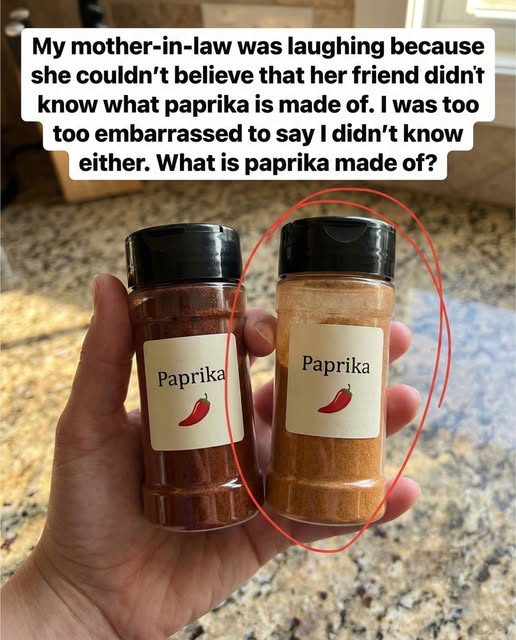
It was the kind of kitchen discovery that feels both funny and surprising at the same time. After years of using paprika on potatoes, roasted vegetables, soups, and savory dishes, my mother-in-law’s longtime friend suddenly learned what the spice actually was.
She had always thought of paprika as its own mysterious seasoning, the kind of bright red powder that sits in the pantry and adds color to almost anything. What she had never realized was that paprika is simply made from dried red peppers ground into a fine powder.
The revelation stopped her mid-conversation.
“Wait… it’s actually peppers?”
The room filled with laughter. It was not mocking laughter, but the kind that comes when a familiar everyday item suddenly becomes new again.
That small moment of surprise quickly turned into curiosity. If paprika was made from peppers, then what kind of peppers? Why did some paprika taste sweet while other kinds tasted smoky or spicy? How did such a common spice end up in so many kitchens around the world?
The more they talked, the more that little red jar began to seem less ordinary. Paprika was not just a colorful dusting for deviled eggs or potatoes. It was a spice with history, variety, flavor, and even nutritional value.
What Paprika Really Is
Paprika begins with ripe red peppers. In many cases, those peppers are mild red bell peppers, though some versions use hotter chili varieties.
The peppers are dried and then ground into a fine powder. That powder becomes the paprika found in spice jars, seasoning blends, marinades, rubs, sauces, and classic dishes around the world.
The flavor of paprika depends on the peppers used and the way they are prepared. Some kinds are mild and sweet. Others are hot, earthy, smoky, or deeply rich.
This is why one jar of paprika may taste very different from another. The color may look similar, but the flavor can change dramatically depending on the variety.
Sweet paprika brings brightness and mild fruitiness. Hot paprika adds heat. Smoked paprika offers a deep, woodsy flavor that can transform a dish with only a small pinch.
At its simplest, paprika is dried red pepper powder. But within that simple definition is a wide range of culinary tradition.
The Best-Known Types of Paprika
One of the most famous varieties is sweet Hungarian paprika. It is mild, bright, and slightly fruity, making it useful in dishes where color and warmth are desired without strong heat.
Hungarian cuisine is especially connected to paprika. The spice is central to many traditional dishes, including rich stews and comforting meals that rely on its color and depth.
Hot Hungarian paprika is another well-known type. It brings spicier heat while still offering the deep red color associated with the spice.
This version is useful when a dish needs both warmth and intensity. It can add a stronger character without overwhelming the entire meal when used carefully.
Smoked Spanish paprika, also known as pimentón, has a different identity. Its flavor is deep, earthy, and smoky.
The smokiness comes from the drying process, which traditionally involves oak-fired drying rooms. That method gives the spice a distinctive flavor that works especially well in savory dishes.
Each variety begins with peppers, but the final result depends on origin, drying method, heat level, and tradition.
A Spice With Centuries of Culinary Tradition
That small jar of paprika in the pantry represents far more than a basic seasoning. It carries centuries of cooking history across different regions and cuisines.
In Hungary, paprika is strongly associated with dishes such as goulash. Its color and flavor help define the warmth and richness of the dish.
In Spain, smoked paprika plays an important role in foods such as chorizo. The smoky quality of pimentón gives depth and character that cannot be replaced by color alone.
In American kitchens, paprika often appears in barbecue blends, rubs, seasoned potatoes, roasted meats, sauces, and spice mixes. It may be subtle, but it is often part of the background flavor that makes savory food feel complete.
Paprika can act as a main flavor or a supporting one. Sometimes it stands out boldly. Other times, it quietly rounds out a dish.
That versatility is part of why it remains so common. A pinch can add color, warmth, sweetness, or smoke depending on the type used.
The Funny Side of Kitchen Discoveries
The surprise over paprika’s origin is easy to understand. Many common kitchen ingredients become so familiar that people stop thinking about where they come from.
Seasoned cooks may use something for years without ever asking what it was before it reached the jar, bottle, or package.
Paprika is a perfect example. It looks like a finished product, not like something that began as a fresh pepper.
That is why learning the truth can feel so amusing. A person may have used it hundreds of times and still never connected the red powder to red peppers.
Once that realization happens, other pantry facts suddenly become interesting too. Cinnamon comes from tree bark. Vanilla comes from orchid pods.
Even familiar ingredients can have surprising origins. Discovering those origins can make cooking feel more connected to nature, history, and transformation.
What seems ordinary on a spice rack often has a story behind it.
Why Paprika’s Flavor Can Vary So Much
Not all paprika tastes the same because not all peppers taste the same. A mild red pepper creates a different powder than a hotter chili variety.
The drying method also matters. Peppers dried in one way may produce a bright and sweet powder, while peppers dried with smoke develop a deeper, more intense flavor.
The grinding process can also influence texture and richness. Some premium blends may include pepper skins for extra depth.
Color can vary as well. Some paprika is bright red-orange, while other types are deeper red or darker because of the pepper variety and preparation method.
This is why recipes sometimes specify sweet, hot, or smoked paprika. Using the wrong type can change the entire flavor of a dish.
Sweet paprika may add gentle warmth. Hot paprika may bring noticeable spice. Smoked paprika may make a dish taste as though it has been cooked over fire.
Understanding the difference helps home cooks use the spice more confidently.
More Than a Pretty Garnish
Many people think of paprika mostly as a garnish. It is often sprinkled over eggs, potatoes, creamy salads, soups, or finished dishes to add color.
But paprika offers more than visual appeal. It can add mild sweetness, peppery warmth, smoke, or heat depending on the variety.
It can also help deepen the color of sauces, stews, and marinades. A small amount can make food look richer and more inviting.
In spice blends, paprika often acts as a base note. It supports stronger ingredients while adding body and color.
This is why it appears in taco seasoning, barbecue rubs, and many savory mixtures. It gives blends a familiar warmth without always announcing itself loudly.
Used thoughtfully, paprika can bring balance to a dish. It can soften sharper flavors, add visual warmth, and create a more rounded taste.
Health Benefits Found in Paprika
Paprika is not only flavorful. It also contains compounds that may offer meaningful nutritional value.
Because it comes from red peppers, paprika contains antioxidants such as carotenoids and flavonoids. These compounds help give peppers their strong color and are often associated with plant-based nutritional benefits.
Paprika can also contain vitamin C. Red peppers are known for their vitamin C content, and paprika reflects some of that nutritional background in concentrated form.
Some varieties may contain capsaicin, the compound associated with heat in chili peppers. Capsaicin is often discussed for its natural pain-relief uses.
Paprika may also support heart health, circulation, and blood pressure as part of a balanced diet. These benefits are best understood in the context of overall eating habits rather than as a miracle effect from one spice.
Still, it is a useful reminder that seasonings can contribute more than taste. A small pinch of spice can bring both flavor and plant-based compounds to everyday meals.
Why Paprika Matters More With Age
As people get older, simple kitchen choices can matter more than they once seemed to. Flavorful seasonings can help make healthy foods more enjoyable without relying only on heavy sauces or excess salt.
Paprika is especially useful because it can make vegetables, beans, eggs, soups, potatoes, and lean proteins taste warmer and more satisfying.
Its color can also make food feel more appealing. A bright dish may encourage better eating simply because it looks more enjoyable.
For those trying to build meals around whole foods, spices like paprika can make the process easier. They add personality to simple ingredients.
A plain roasted potato becomes richer with paprika. A pot of beans becomes more flavorful. A vegetable stew gains color and depth.
That is part of paprika’s quiet power. It can help ordinary foods feel comforting, flavorful, and complete.
Five Fun Facts About Paprika
Hungarian cuisine uses several distinct grades of paprika. Some are mild and sweet, while others are sharper, hotter, or more complex.
Smoked paprika gets its distinctive flavor from oak-fired drying rooms. That process gives it the deep smoky taste associated with Spanish pimentón.
Paprika is an essential part of many seasoning blends, including taco seasoning and barbecue rubs. Even when it is not the strongest flavor, it often helps shape the overall taste.
Some premium paprika blends include pepper skins for added richness and depth. This can influence both flavor and color.
Historically, paprika’s brilliant red color was even used as a dye. Its visual strength made it valuable beyond the kitchen.
These facts show how one common spice can connect food, culture, color, and tradition.
How to Use Paprika in Everyday Cooking
Paprika can be used in many simple ways. It works well sprinkled over roasted potatoes, eggs, chicken, fish, vegetables, and soups.
Sweet paprika is useful when a dish needs color and gentle flavor without heat. It is easy to add to family meals because it tends to be mild.
Hot paprika should be used more carefully. A small amount can add warmth, but too much may make a dish spicier than intended.
Smoked paprika is powerful and distinctive. It can bring a fire-roasted flavor to beans, sauces, stews, meats, or vegetables.
Because smoked paprika has such a strong character, a little often goes a long way. It can quickly become the dominant note in a dish.
For the best results, cooks should choose the type of paprika that matches the food they are making. The right variety can make the difference between mild warmth, bold spice, and deep smoky richness.
A Pantry Staple With a Story
One of the most charming things about paprika is how familiar it feels. It is not rare, expensive, or difficult to find.
It sits quietly in spice cabinets and pantry shelves, waiting to be shaken over food.
Yet behind that ordinary jar is a story of dried peppers, regional traditions, cooking techniques, and centuries of use.
It has traveled through Hungarian kitchens, Spanish smokehouses, American barbecue blends, and countless home-cooked meals.
Its journey from pepper to powder makes it a reminder that many everyday ingredients have deeper roots than people realize.
The next time paprika is sprinkled over food, it may no longer seem like just a red dusting. It may feel like a tiny connection to history, culture, and culinary creativity.
Why the Surprise Is So Relatable
The friend’s surprise over paprika being made from peppers is funny because it is relatable. Most people have had similar moments with common foods.
There is no shame in discovering something late. In fact, those discoveries can make cooking more enjoyable.
They remind people that food is full of transformations. Bark becomes cinnamon. Orchid pods become vanilla. Peppers become paprika.
These facts make the kitchen feel more interesting. They add wonder to ingredients that might otherwise seem ordinary.
Even experienced cooks can overlook simple details because cooking often becomes routine. People season food, follow recipes, and reach for jars without thinking about the origins behind them.
Then one small fact changes the way they see the entire pantry.
A Final Dash of Paprika
Paprika is far more than a colorful seasoning. It is dried red pepper transformed into a spice that carries flavor, history, culture, and nutritional value.
Depending on the variety, it can be sweet, hot, fruity, earthy, or smoky. It can brighten a dish, deepen a sauce, or add warmth to simple ingredients.
Its role in Hungarian, Spanish, and American cooking shows how widely useful it has become. From goulash to chorizo to barbecue rubs, paprika has earned its place in kitchens around the world.
It also offers more than taste, with antioxidants, vitamin C, and compounds connected to potential health benefits.
Most of all, it reminds people that familiar ingredients can still surprise us.
So the next time someone asks what paprika is made from, the answer can be shared with a smile.
It is peppers.
And for many people, that simple truth will be just as delightful as it was in that kitchen conversation.