
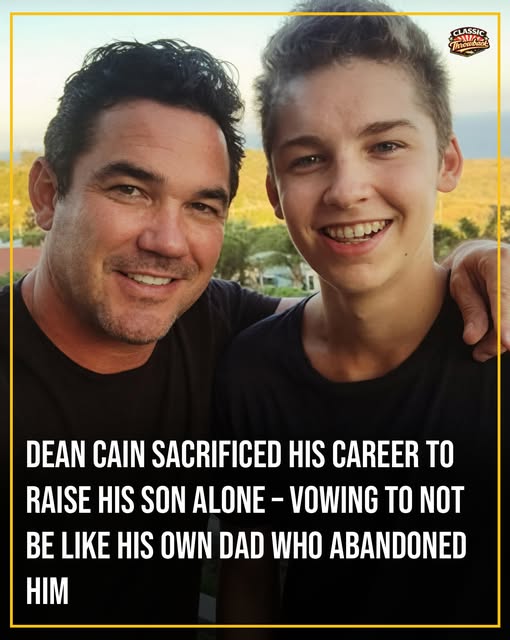
Dean Cain Put Fatherhood First While Raising His Son as a Present and Devoted Dad
Having a father who is present and involved can shape a child’s sense of safety, confidence, and direction. For many people, a steady parent becomes one of the strongest foundations in life.
Dean Cain has often spoken about the importance of being that kind of father for his son. Although he built a recognizable career in entertainment, he made choices that placed parenting ahead of professional ambition.
The actor, widely known for playing Superman, understood from personal experience that a child’s relationship with a father can leave a lasting mark. His own early life included the absence of his biological father, followed by the stability of an adoptive father who helped raise him.
When Cain became a father himself, he made a clear decision. He wanted to be present, dependable, and deeply involved in his son’s everyday life.
That commitment affected his career, his schedule, and the roles he accepted. Instead of chasing every opportunity, Cain stepped back at times so he could be there for school events, sports, meals, and the ordinary moments that build a parent-child bond.
His story shows how fatherhood became more than one part of his life. For Cain, it became the priority that shaped everything else.
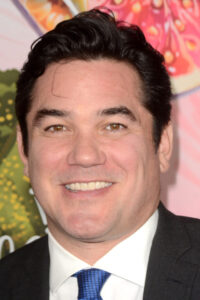
A Familiar Face on Screen
Dean Cain has been a recognizable presence on television and film for decades. Many viewers know him best from his breakout role in the 1993 series “Lois & Clark: The New Adventures of Superman.”
The role made him widely known and connected him permanently with one of the most famous characters in popular culture. After that success, he continued working in entertainment, appearing in various projects and hosting reality shows.
Although acting became the path that brought him public recognition, it was not his original dream. Cain first wanted to become a football player.
That plan changed when a knee injury ended his football ambitions early. The setback forced him to move in a different direction, eventually leading him toward acting.
The shift changed the course of his life. A dream interrupted by injury opened the door to a career in entertainment, where he would become known to audiences around the world.
Even with that success, Cain’s later choices showed that fame was not the only thing guiding him. Once he became a father, his priorities changed in a major way.

Dean Cain’s Early Life
Dean Cain was born Dean George Tanaka on July 31, 1966, in Michigan. His biological parents are Sharon Tanaka and Roger Tanaka.
His family life changed when he was still very young. His biological father left the family during Cain’s early childhood.
When Cain was three years old, his mother remarried director Christopher Cain. Christopher legally adopted Dean and his brother, giving them both the Cain surname.
That adoption became an important part of Dean’s identity. He later carried the Cain name professionally and personally.
Speaking about his biological father, Cain once said, “My biological father is Japanese. I never knew him, never met him.”
The absence of his biological father remained part of his life story. It was reported that Roger Tanaka remarried in 1982 but did not reconnect with his sons.
That background gives added meaning to Cain’s later commitment as a parent. He knew what it meant to grow up without a relationship with his biological father, and he also knew the importance of the man who stepped in and raised him.
The Influence of His Adoptive Father
Christopher Cain played a major role in Dean Cain’s upbringing. He became the father figure who helped raise him and his brother after marrying their mother.
The relationship clearly mattered deeply to Dean. When he later became a father, he named his son Christopher in honor of his adoptive father.
That choice reflected gratitude and respect. It also showed how strongly Cain valued the role Christopher Cain had played in his life.
Adoption gave Dean a stable paternal connection after his biological father’s absence. That experience likely shaped the way he understood fatherhood later.
Being a father, in Cain’s view, was not only about biology. It was about showing up, taking responsibility, and being present in daily life.
Those values became central when Cain began raising his own child. He wanted his son to experience the kind of consistent support every child needs.
In naming his son Christopher, Cain connected two generations of fatherhood: the man who raised him and the child he would go on to raise with deep commitment.
Becoming a Father
Dean Cain became a father in June 2000, when his ex-girlfriend, former model and Playboy Playmate Samantha Torres, gave birth to their son.
Cain named the boy Christopher, honoring the adoptive father who had helped shape his own life. The name carried personal meaning and represented the importance of family legacy.
Although Cain was happy to become a father, his relationship with Christopher’s mother later broke down. The separation led to a custody battle.
Cain fought for custody of his son, and in 2011, he was granted full custody. That decision placed him in the role of primary parent and deepened his already strong responsibility toward Christopher.
From that point forward, Cain became highly hands-on in his son’s life. He did not approach fatherhood as something to fit around everything else.
Instead, he reorganized parts of his life around being available for his child. He became the kind of parent who handled daily needs, routines, meals, school activities, and emotional support.
His public comments over the years have made it clear that he considered this role central to who he was.
A Hands-On Approach to Parenting
Cain has described himself as a very involved father. He has said that he cooked all of his son’s meals and made sure he was consistently present in his life.
That kind of parenting requires time, attention, and sacrifice. It is not limited to major milestones or public moments.
It involves the ordinary work of raising a child day after day. Meals, homework, schedules, transportation, and emotional support all become part of the routine.
Cain embraced that responsibility. He did not treat parenting as something secondary to his career.
His approach showed that being a present parent often means making practical choices. It can mean turning down work, rearranging schedules, and accepting that some opportunities may have to wait.
For Cain, those choices were worth it. His son’s well-being came first.
That commitment became one of the defining parts of his adult life, especially during the years when Christopher was growing up and needed him most.
Choosing Family Over Career Demands
Balancing entertainment work with single parenthood was not easy. Acting schedules can be unpredictable, demanding, and time-consuming.
Projects may require travel, long days on set, and weeks or months away from home. For a parent determined to be present, those demands can create difficult decisions.
Cain often had to choose between professional commitments and personal responsibilities. School events, sports, and daily routines were not things he wanted to miss.
Over time, he stepped back from leading roles while his son was in school. That choice allowed him to remain close to Christopher during important years of his upbringing.
For many actors, stepping away from major roles can feel risky. Careers in entertainment depend on visibility, timing, and continued momentum.
Cain accepted that tradeoff because fatherhood mattered more to him. He later returned to more prominent work after Christopher finished high school.
His decision showed a clear order of priorities. Career success was meaningful, but it did not outweigh being present for his son.
Showing Up for the Important Moments
Cain made a point of attending his son Christopher’s activities, including football games and jujitsu tournaments. These moments were part of how he showed support in a visible and consistent way.
He once said, “I’m there. I’m a very present father, and I would never do it otherwise.”
That statement captures the way Cain views parenting. Being present is not optional for him; it is essential.
Children often remember who showed up. They remember the parent in the stands, the voice cheering, the person waiting afterward, and the feeling of being supported.
Cain appeared determined to give his son those memories. His presence at games and tournaments reflected more than interest in sports.
It showed his son that he mattered. It showed that his father’s attention was not reserved only for extraordinary moments, but was available in the everyday events of growing up.
That kind of involvement can strengthen trust between parent and child. It creates a relationship built through repeated acts of care.
Sharing a Close Bond
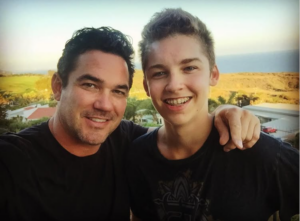
Over the years, Cain has shared glimpses of his close relationship with Christopher on social media. These moments have included trips, time spent together, and ordinary experiences between father and son.
The posts reflect a bond built through consistent presence. Their relationship appears rooted not only in big occasions, but also in shared time.
Cain has described fatherhood as his top priority. He has said that some of his best days are simply spent at home with his son.
That kind of statement reveals how he defines happiness. For him, success is not limited to acting roles, recognition, or public attention.
It can be found in the quiet moments of family life. Spending time together at home can matter as much as any professional accomplishment.
The closeness between Cain and his son reflects years of choices made in favor of connection. Every meal cooked, every event attended, and every role turned down helped build that relationship.
The result is a strong father-son bond that Cain clearly values deeply.
Why His Parenting Story Resonates
Dean Cain’s story resonates because it challenges the idea that career success must always come first. He had already achieved visibility and fame, but he chose to adjust his path for the sake of his child.
That choice is especially meaningful given his own early experience with his biological father. Cain knew the pain of not knowing the man who had left when he was young.
Rather than repeating that absence, he chose the opposite path. He became a father who stayed, showed up, and remained involved.
His adoptive father’s role also shaped that understanding. Christopher Cain became proof that fatherhood is defined by commitment and care.
Dean carried that lesson into his own parenting. He honored his adoptive father by naming his son Christopher and by becoming an active, present parent himself.
That full-circle connection gives his story emotional depth. The boy who was adopted and raised by a present father became a man determined to provide the same stability for his own child.
A Different Kind of Strength
Cain became famous for playing Superman, a character associated with strength, protection, and responsibility. In real life, his most important act of strength may have been quieter.
It was not about a cape, a screen role, or public applause. It was about caring for his son every day.
Being a single parent requires patience and endurance. It requires making decisions that may not always be glamorous but are deeply important.
Cain’s choice to step back from parts of his career showed strength in a personal form. He accepted that being present might cost him certain opportunities.
That sacrifice reflected a protective instinct. He wanted Christopher to grow up knowing that his father was available and reliable.
In that sense, Cain’s parenting became a real-life expression of commitment. He did not only speak about fatherhood as important; he shaped his life around it.
Fatherhood as His Greatest Role
Dean Cain has had many roles in entertainment, but fatherhood appears to be the one he values most. His public comments and choices show a man who sees parenting as a central responsibility.
He made meals. He attended games. He supported tournaments. He adjusted his work life.
These actions may seem ordinary, but they are the building blocks of a secure childhood. They communicate love in a way children can feel and remember.
Cain’s willingness to step back professionally while Christopher was growing up shows how seriously he took that responsibility. He was not willing to miss the important years just to keep chasing leading roles.
After Christopher finished high school, Cain returned to more visible work. That timing reflects how strongly he structured his career around parenting.
For him, fatherhood was not a temporary obligation. It was the foundation around which other choices were made.
A Legacy of Presence
Dean Cain’s relationship with his son demonstrates the lasting power of presence. He understood that being involved in a child’s life can shape confidence, security, and emotional connection.
His own childhood included both absence and adoption. He never knew his biological father, but he was raised by an adoptive father whose influence became deeply meaningful.
When Cain had a son of his own, he chose to be fully engaged. He fought for custody, raised Christopher hands-on, and made career decisions that allowed him to stay close.
The bond between Cain and his son reflects years of steady commitment. It was built through everyday acts rather than grand statements alone.
His story is a reminder that fatherhood is often measured in presence. It is found in meals, practices, tournaments, conversations, and quiet days at home.
For Cain, those moments became more valuable than any role he could play on screen. He became the kind of father he believed his son needed.
In the end, Dean Cain’s most meaningful legacy may not only be the characters he portrayed, but the life he built with his son through devotion, sacrifice, and love.