
Ebola Outbreak in Democratic Republic of Congo Raises Concern as Suspected Cases Pass 500
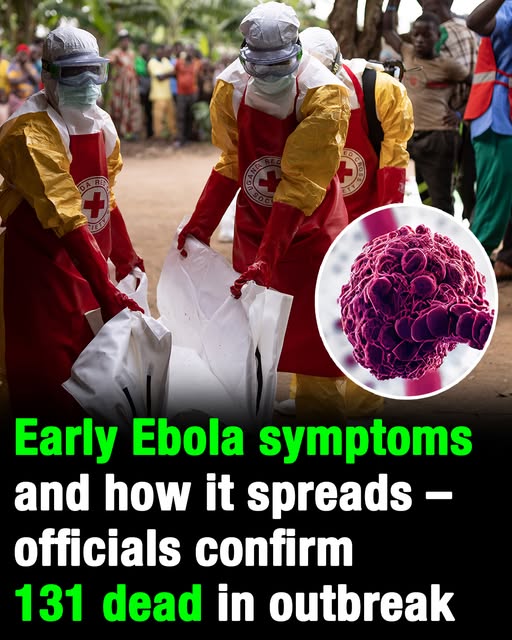
The Ebola outbreak in the Democratic Republic of Congo has caused growing alarm after more than 130 deaths were reported and more than 500 cases were suspected. The situation has created fear among communities near the center of the outbreak and renewed attention on the symptoms linked to the disease.
Officials said that by Tuesday, more than 513 Ebola cases were suspected in the Democratic Republic of Congo. The outbreak has also raised concern beyond the country’s borders after one person died from Ebola in neighboring Uganda.
The spread of the virus has led to fears that the situation could become wider and more difficult to contain. While concern has grown internationally, no Americans on home soil have so far been confirmed to have the virus.
One American tested positive for Ebola after exposure while working with a medical missionary group in the Democratic Republic of Congo. The case added to public anxiety, although it did not indicate confirmed spread inside the United States.
People living near the center of the outbreak have described intense fear as the number of suspected cases rises. In Ituri province, where the outbreak started, residents said the disease had brought suffering and uncertainty to their communities.
One man in the area said people were very afraid and added that “Ebola has caused us great suffering.” His words reflected the human toll of the outbreak, not only in deaths and illness but also in the anxiety affecting daily life.
Outbreak Leaves Communities Afraid
The outbreak has placed heavy pressure on people living in affected areas. For communities near the center of transmission, Ebola is not an abstract threat but a daily fear connected to families, neighbors, health workers, and local movement.
The disease is known for causing severe illness and can be difficult to manage in areas where medical teams must identify cases quickly, isolate patients, trace contacts, and provide care while protecting themselves.
As suspected cases continue to rise, uncertainty has become one of the most difficult parts of the crisis. People may not know who has been exposed, where the virus has moved, or whether symptoms in a neighbor or relative could be connected to Ebola.
Fear can spread quickly during outbreaks, especially when communities have already experienced deaths. The figure of 131 reported deaths has added urgency to efforts to recognize symptoms and respond to possible cases.
In Ituri province, residents have spoken of the suffering caused by the disease. Their concern is shaped by both the known deaths and the possibility that additional cases may still be undiscovered.
The outbreak has also drawn attention from health officials who are monitoring whether the virus is spreading faster than previously understood. That possibility has increased the seriousness of the response.
Health Officials Warn Cases May Be Spreading
A representative from the World Health Organization warned that the disease may be moving faster than earlier believed. Dr. Anne Ancia said that as health workers investigate more, they are finding cases in new areas.
This kind of development can complicate outbreak control. When cases appear in additional locations, health teams must expand their search, identify contacts, and determine how transmission may have occurred.
The number of suspected cases is already significant. With more than 513 suspected cases reported by officials, health workers face the challenge of confirming infections, caring for patients, and stopping further spread.
A study by the MRC Center for Global Infectious Disease Analysis in London suggested that there may be many more cases that have not yet been found. Researchers said the total number of cases could already exceed 1,000.
If many cases remain undetected, the outbreak may be larger than the confirmed or suspected totals currently show. Undiscovered infections can allow transmission to continue before health teams fully understand the scale of the problem.
The possibility of hidden cases is one reason symptom awareness is important. When people know what signs to watch for, they may be more likely to seek help quickly and avoid exposing others.
Virus Identified as Bundibugyo Ebola
A statement from the World Health Organization said the epidemic of Ebola disease is caused by the Bundibugyo virus. Scientists believe African fruit bats are involved in the spread.
Ebola viruses can cause severe disease in humans. Outbreaks often require rapid public health action because transmission can occur through direct contact with infected bodily fluids and contaminated materials.
The mention of African fruit bats reflects the concern that wildlife may play a role in the natural cycle of the virus. Once the virus reaches people, person-to-person transmission can become the central concern during an outbreak.
The Bundibugyo virus is one of the Ebola viruses associated with human disease. The specific identification of the virus helps health authorities understand the outbreak and guide response efforts.
For people in affected areas, however, the immediate concern remains practical. They need to know how the disease appears, when symptoms may begin, and why early medical attention is important.
Because early symptoms can resemble other common illnesses, Ebola may not be obvious at first. That makes awareness of the full symptom pattern especially important during an outbreak.
When Ebola Symptoms Usually Appear
Ebola symptoms usually appear between 2 and 21 days after exposure. Most people become sick about 8 to 10 days after being exposed.
This time window matters because a person may not become ill immediately after contact with the virus. During an outbreak, health workers often monitor people who may have been exposed for signs of illness during that period.
The early stage of Ebola can be difficult to identify because the symptoms are similar to other diseases. Conditions such as malaria or the flu may begin with symptoms that resemble the first signs of Ebola.
That overlap can delay recognition if people do not know they may have been exposed. It also makes medical evaluation important when symptoms appear in a person who has been in an affected area or had possible contact with someone infected.
Early recognition can help protect others. If a possible case is identified quickly, health workers can take steps to reduce further exposure.
The early symptoms are sometimes called “dry symptoms.” They include fever, severe headache, muscle and joint pain, weakness, fatigue, and sore throat.
Early Symptoms Can Resemble Common Illnesses
The early symptoms of Ebola may begin in a way that does not immediately seem unusual. A fever, sore throat, weakness, or muscle pain can occur with many infections.
Severe headache is another early warning sign. Joint and muscle pain may also appear, along with fatigue that can feel stronger than ordinary tiredness.
Weakness can become one of the more noticeable early symptoms. A person may feel drained, unsteady, or unable to continue normal activities.
Because these signs are not unique to Ebola, context becomes important. A person’s recent travel, exposure history, or contact with someone who may have been infected can help determine whether Ebola should be considered.
In outbreak areas, these early symptoms should not be ignored. Waiting too long may increase the risk of further spread if the illness is Ebola.
At the same time, not every fever or headache means Ebola. Medical assessment is needed to determine the cause and guide the appropriate response.
Later Symptoms May Become More Severe
As Ebola progresses, patients may develop symptoms sometimes described as “wet symptoms.” These include nausea, vomiting, diarrhea, abdominal pain, and loss of appetite.
These symptoms can make the illness more dangerous because vomiting and diarrhea can lead to serious fluid loss. They also increase the risk of exposure for caregivers and health workers if proper precautions are not used.
Abdominal pain may become intense, and the person may become increasingly weak. Loss of appetite can make it harder for the body to recover and maintain strength.
Unexplained bleeding may also occur. This is one of the symptoms most closely associated with severe Ebola disease, although not every patient will necessarily show the same signs in the same way.
Other possible symptoms include chest pain, shortness of breath, confusion, red eyes, skin rash, hiccups, and seizures.
The range of possible symptoms shows why Ebola can be frightening and complex. The illness can affect different parts of the body and may become severe quickly once it progresses.
Why Symptom Awareness Matters
Knowing the symptoms of Ebola is important during an outbreak because early action can affect both patient care and public safety. When people understand what to watch for, they may be more likely to seek medical help promptly.
The early symptoms alone may not confirm Ebola, but they can be a warning when linked with possible exposure. Fever, severe headache, fatigue, weakness, sore throat, and muscle or joint pain should be taken seriously in the right context.
As symptoms progress to vomiting, diarrhea, abdominal pain, loss of appetite, or bleeding, the need for medical care becomes even more urgent. Severe symptoms can place both the patient and others at risk.
During an outbreak, people should avoid assuming that symptoms are harmless if they have been in an affected area or may have had contact with a suspected case. Medical workers are best placed to evaluate risk and decide what steps are needed.
Awareness also helps reduce fear by replacing confusion with clearer information. Communities facing Ebola need accurate understanding, not panic.
Fear can make people hide symptoms or avoid health workers. Clear public information can encourage safer decisions and help outbreak teams respond more effectively.
Possible Long-Term Effects for Survivors
Surviving Ebola does not always mean health returns to normal immediately. Some survivors can experience long-term effects after the acute illness has passed.
These lasting health problems may include fatigue, headaches, muscle pain, and vision problems. Survivors may also experience depression, anxiety, and memory issues.
These effects can make recovery difficult even after a person is no longer in the most dangerous stage of illness. Survivors may need continued medical care and emotional support.
The long-term impact also affects families and communities. A person who survives may still struggle to return to work, school, caregiving, or ordinary daily activities.
Understanding these possible effects is important because Ebola is not only a short-term emergency. It can leave behind health challenges that continue after the outbreak headlines fade.
Support for survivors is therefore part of the broader response. Treatment, follow-up care, and community acceptance can all matter in the recovery process.
Concerns Beyond Congo
The death of one person from Ebola in Uganda has contributed to concerns about cross-border spread. When an outbreak occurs near national borders, neighboring countries may watch closely for possible cases.
Movement between communities, trade routes, family connections, and travel can all complicate containment. Health authorities must monitor not only confirmed cases but also possible exposure chains.
The case involving an American who tested positive after exposure while working with a medical missionary group in the Democratic Republic of Congo also drew international attention. However, no Americans on home soil have so far been confirmed to have the virus.
This distinction is important. A case linked to exposure in an outbreak area does not mean widespread transmission elsewhere.
Still, international concern tends to rise when Ebola crosses borders or affects people connected to foreign organizations. The disease has a history of creating fear because of its severity and the need for rapid containment.
Public awareness can help, but fear should not replace careful information. Understanding symptoms, exposure risk, and the current known facts is more useful than speculation.
What the Outbreak Shows
The outbreak in the Democratic Republic of Congo has already caused major suffering. With more than 130 deaths and more than 500 suspected cases, the human cost is significant.
Communities near the center of the outbreak are living with fear, while health workers continue investigating suspected cases and searching for infections in new areas.
The warning that cases may be spreading faster than previously believed adds urgency to the response. The possibility that the total number of cases could exceed 1,000 makes continued investigation especially important.
The disease is caused by the Bundibugyo virus, and scientists believe African fruit bats are involved in its spread. Once people are infected, identifying symptoms and interrupting transmission become central priorities.
Symptoms may begin with fever, severe headache, weakness, fatigue, sore throat, and muscle or joint pain. Later symptoms can include vomiting, diarrhea, abdominal pain, loss of appetite, unexplained bleeding, chest pain, shortness of breath, confusion, red eyes, rash, hiccups, and seizures.
Because early symptoms can resemble malaria or the flu, medical evaluation is especially important in areas affected by the outbreak or after possible exposure.
The Need for Awareness Without Panic
Ebola outbreaks create fear because the illness can be severe and because communities may face uncertainty about where the virus has spread. The current situation in the Democratic Republic of Congo has intensified those fears.
At the same time, awareness should be grounded in the known facts. More than 513 suspected cases have been reported, 131 people have died, and one death has been reported in Uganda.
An American tested positive after exposure while working with a medical missionary group in the Democratic Republic of Congo, but no Americans on home soil have so far been confirmed to have the virus.
People should understand the symptoms and take possible exposure seriously. They should also avoid spreading panic or unsupported claims, especially during a public health emergency.
For those in or near affected areas, recognizing symptoms quickly and following public health guidance can help protect families and communities.
The outbreak remains a serious and developing crisis for the people most directly affected. Their fear, loss, and need for support should remain at the center of the conversation.
As health workers investigate suspected cases and respond to new areas of concern, public awareness can play a role in reducing risk. Knowing what Ebola symptoms look like is one of the first steps toward responding quickly and responsibly.