
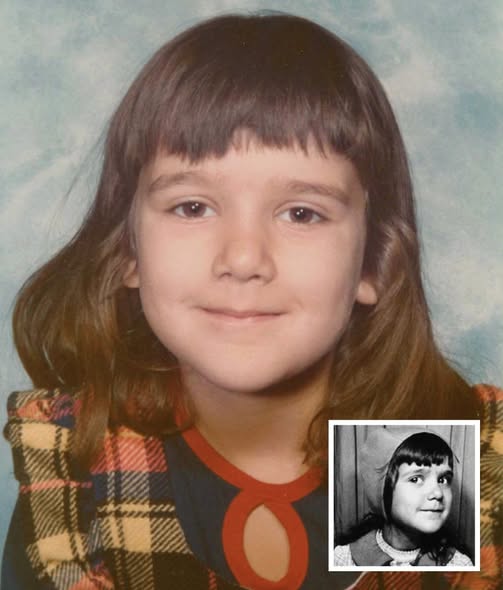
Celine Dion Opens Up About Childhood Hardship, Family Strength, and Her Ongoing Health Battle
Celine Dion has spent decades standing before the world as one of music’s most recognizable voices, but her latest personal reflections reveal a story shaped long before fame, awards, arenas, and global recognition.
In the documentary I Am: Celine Dion, the Grammy-winning singer looks back on her early life with honesty, describing a childhood formed by love, sacrifice, limited resources, and the daily effort of a large family trying to move forward together.
The film also gives a close look at the serious health challenge Dion is facing now. Her diagnosis of Stiff Person Syndrome has changed her life, interrupted her career, and forced her to confront physical limitations that affect movement, performance, and daily living.
For fans who know Dion through powerful songs and emotional stage performances, the documentary offers a more intimate view. It shows the woman behind the voice, including the hardship that shaped her character and the illness that has tested her resilience.
Dion’s story is not presented only as a career retrospective. It is also a portrait of endurance, family devotion, personal discipline, and the strength required to continue when life becomes uncertain.
A Childhood Built Around a Large Family
Celine Dion grew up in Quebec as one of 14 siblings. Her early home life was filled with family, but it was also shaped by financial limitations that affected even the most basic parts of daily living.
In her reflections, Dion remembers that food was not always guaranteed. For a child, that kind of uncertainty can leave a lasting impression, especially in a household where so many people depended on the same limited resources.
Despite those challenges, Dion speaks about her parents with deep respect. Her memories are not centered only on what the family lacked, but also on what her parents managed to provide through effort, creativity, and sacrifice.
Her father worked hard to support the household. His dedication became one of the steady forces in a family that had to stretch every available resource as far as possible.
Her mother also played a central role in keeping the family moving through difficult times. Rather than telling the children there was no food, she found ways to transform whatever ingredients were available into meals.
That ability to create something from very little became part of Dion’s understanding of resilience. It showed her that survival was not only about having enough, but also about imagination, patience, and care.
A Mother’s Creativity in Difficult Times
One of Dion’s most memorable childhood reflections involves the way her mother handled food shortages. In a home with many children and limited money, mealtimes could easily have become moments of fear or disappointment.
Instead, her mother tried to protect the children from that fear. She would work with what was available, sometimes using simple ingredients such as dough and vegetables to create a dish that felt special.
For Dion, those memories carry both tenderness and uncertainty. Her mother would quietly hope the children would not question what they were eating, only to receive compliments after they tasted the meal.
Those moments showed more than household skill. They revealed a parent trying to preserve dignity and comfort in circumstances that were not easy.
Dion’s mother did not simply feed her children. She used creativity to soften hardship and turn limited ingredients into an act of love.
That kind of memory can remain powerful because it connects struggle with affection. Dion’s childhood included worry and scarcity, but it was also filled with examples of devotion.
The lessons from those early years appear to remain close to her. They help explain the emotional strength that has followed her through fame, motherhood, and illness.
Resilience Before Fame
Long before Dion became an international music figure, she lived inside a family where perseverance was part of daily life. The discipline and emotional endurance seen in her career did not begin on stage.
They began in a home where everyone had to adapt. Growing up with many siblings required patience, cooperation, and an understanding that individual needs existed within a much larger family rhythm.
Financial difficulty also shaped her view of effort. When resources are limited, every small act of care becomes meaningful.
Dion’s reflections suggest that her childhood did not weaken her sense of possibility. Instead, it helped build the determination that later carried her through the demands of a global music career.
The contrast between her early life and later success is striking. She moved from a childhood where meals were sometimes uncertain to a life in which her voice became known around the world.
Yet the documentary shows that fame did not erase the past. Those early experiences remained part of her identity, influencing how she understands family, gratitude, and survival.
From Humble Beginnings to Global Recognition
Celine Dion’s rise in music turned her into one of the most acclaimed voices of her generation. Her career brought awards, worldwide recognition, and performances that reached audiences across languages and borders.
She became known for emotional power, vocal discipline, and songs that connected deeply with listeners. My Heart Will Go On became one of the signature pieces associated with her name.
Her success was built on more than talent alone. It also required stamina, sacrifice, and the ability to meet the pressure of public performance again and again.
For many fans, Dion represented strength through music. Her songs often carried themes of love, loss, endurance, and devotion.
Those themes now feel even more personal when viewed alongside her current health battle. The same artist who gave emotional strength to millions is now sharing a vulnerable account of her own struggle.
That openness has added a new dimension to her public image. She is not only the singer known for great performances, but also a woman facing a life-changing condition with honesty.
The Diagnosis That Changed Everything
The documentary also explores Dion’s diagnosis of Stiff Person Syndrome, a rare disorder that affects muscle control. She was diagnosed in 2022 after a difficult process of trying to understand what was happening to her body.
The condition can affect daily movement and may cause intense muscle stiffness, painful spasms, and difficulty with mobility. These symptoms can become increasingly serious if they are not properly addressed.
For a performer whose career depends on physical control, breath, posture, timing, and endurance, the diagnosis brought major consequences. It forced Dion to step back from the career that had defined so much of her public life.
The illness did not only affect performances. It also changed ordinary daily experiences, placing new limits on movement and comfort.
Dion’s decision to speak about the condition publicly has helped fans understand why she had to pause professional commitments. It also revealed the severity of what she had been facing privately.
Her openness about the diagnosis has turned her health battle into a moment of awareness. By sharing what she is going through, she has brought attention to a rare disorder many people may not have known about before.
The Pressure to Keep Performing
Dion has also shared that there was a time when she relied heavily on medication in order to keep performing. She described taking extremely high doses while trying to manage her symptoms and remain on stage.
That admission reveals the pressure she felt to continue for her fans. For an artist who built a career around live performance, stepping away would not have been an easy choice.
Her desire to keep singing reflected loyalty to the people who had supported her for decades. At the same time, the physical cost became impossible to ignore.
The documentary presents this struggle as one of the most painful parts of her current chapter. Dion was not simply deciding whether to perform. She was facing the reality that her body was no longer allowing her to continue as before.
For a singer known for control and precision, losing trust in the body can be deeply frightening. The stage requires consistency, but Stiff Person Syndrome can create unpredictability.
That conflict between professional devotion and physical limitation became central to her decision to focus on health. Continuing without proper care was no longer sustainable.
Keeping the Diagnosis Private at First
Dion initially kept her diagnosis confidential while doctors worked to identify the cause of her symptoms. The rarity of Stiff Person Syndrome made the process more difficult.
When a condition is uncommon, finding clear answers can take time. For Dion, that uncertainty added to the emotional weight of her health journey.
During that period, she was living with symptoms while still trying to understand what they meant. She also had to manage public expectations and the concern of fans who noticed changes in her career plans.
Choosing when to speak publicly about a serious health condition is deeply personal. Dion eventually opened up because she wanted people to understand what she was facing.
Her decision was not framed as a request for sympathy. Instead, she has emphasized awareness and honesty.
By sharing her experience, she has created a connection with others who may be living through difficult or confusing health challenges. Her story carries the message that suffering in silence is not the only option.
A Mother Facing Uncertainty
Dion is also a mother of three, and her family remains a central part of her strength. During uncertain times, she has spoken about the importance of remaining resilient for her children.
Motherhood adds another layer to her health journey. She is not only managing her condition as an artist and public figure, but also as a parent who wants to remain present and strong for her family.
Her children are part of the reason her recovery and well-being matter so deeply. They represent a private world beyond the stage, the cameras, and the music industry.
For Dion, resilience is not an abstract idea. It is something she must practice in daily life as she navigates symptoms, treatment, limitations, and the emotional reality of change.
The documentary shows that her identity is not defined only by performance. She is also a daughter, mother, and woman confronting uncertainty with courage.
That fuller picture makes her story more human. Fame may magnify her struggle, but the emotions at the center of it are deeply personal.
Fans Remain Part of Her Healing Journey
Dion has acknowledged the support she has received from fans during this difficult period. Their encouragement has played an important role in her healing journey.
For decades, fans connected with her through music. Now, many are connecting with her through compassion and concern as she faces a serious illness.
That relationship has always been emotional. Her songs often gave listeners comfort during moments of love, heartbreak, memory, and hope.
Now, the support is flowing back toward her. Fans are offering the same kind of encouragement that her music once gave them.
Dion’s gratitude reflects an understanding of that bond. Her audience is not simply a crowd; it is a community built over years of shared emotional experience.
As she continues focusing on her health, that community remains part of the strength surrounding her. The encouragement does not remove the illness, but it can make the journey feel less isolating.
Why Her Story Resonates
Celine Dion’s story resonates because it brings together hardship, triumph, vulnerability, and endurance. Her early life was shaped by scarcity, but also by a family that found ways to survive with love.
Her career became a symbol of excellence and emotional power. She rose from humble beginnings to become one of the most recognizable singers in the world.
Now, her health struggle has revealed a different kind of strength. It is not the strength of holding a note or commanding a stage, but the strength of being honest about pain, limitation, and fear.
Many people admire public figures when they appear unstoppable. Dion’s documentary invites admiration for a different reason.
It shows her continuing to fight even when she cannot control every part of what is happening to her body. That honesty makes her courage more visible, not less.
Her childhood memories also deepen the meaning of her current resilience. She grew up watching her parents make something out of very little, and that lesson appears to echo through her own life.
A Legacy of Courage and Openness
Celine Dion’s journey has been shaped by extraordinary highs and painful challenges. From growing up in a large family with limited resources to becoming a global music legend, she has lived a life defined by persistence.
Her diagnosis of Stiff Person Syndrome has created one of the most difficult chapters of that life. It has changed her relationship with performance, movement, and the future.
Still, Dion continues to speak with openness. Her willingness to reveal both childhood hardship and present-day illness gives fans a deeper understanding of the person behind the voice.
Her story is not only about fame or illness. It is about the way love, memory, family, and determination can carry a person through circumstances they never expected to face.
The documentary I Am: Celine Dion offers a close look at those layers. It shows a singer shaped by poverty, strengthened by family, celebrated by millions, and now tested by a rare condition.
Through it all, Dion remains a figure of resilience. Her courage comes not from pretending everything is easy, but from allowing people to see the truth of what she has endured.
For her fans, that honesty may be one of her most powerful performances. It reveals a woman still fighting, still loving, and still determined to move forward with dignity.