
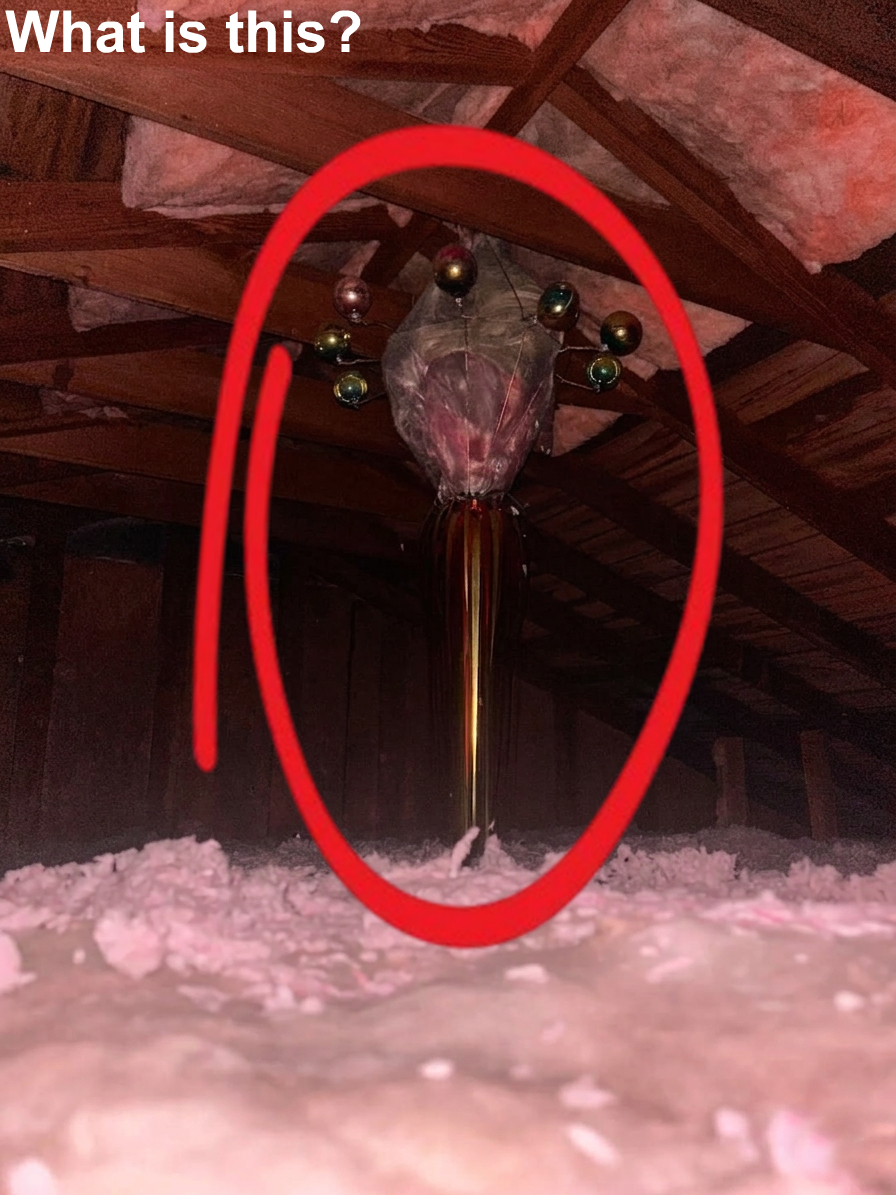
The Real Reason Strange Attic Finds Look So Creepy and How to Identify Them Safely
Why Attics Can Make Ordinary Objects Feel Unsettling
Few areas of a home can feel as strange as the attic. It is often hot, dark, cramped, dusty, and filled with items that have not been touched for years.
Because of that environment, even ordinary household objects can look alarming at first glance. A shape tucked into a shadowy corner may seem mysterious, disturbing, or even frightening until it is examined calmly.
Most strange attic finds are not actually unexplained. In many cases, they are everyday items changed by heat, moisture, dust, age, and long-term storage.
A broken decoration, a damaged furniture part, an old appliance piece, or a collapsed box can look much stranger after years in an attic. The mind often fills in missing details when visibility is poor, making the object seem more unusual than it really is.
Anyone who has opened an attic hatch and suddenly noticed a strange outline in the shadows knows how quickly imagination can take over. The good news is that most of these discoveries can be identified with patience, caution, and basic home safety steps.
The Attic Is a Harsh Storage Environment
An attic may seem like a convenient place to store old possessions, but it is one of the most difficult environments in a house for long-term storage. Items kept there are exposed to conditions that can gradually change their appearance.
Temperature swings are one major factor. During hot seasons, an attic can become extremely warm, while colder weather may bring a sharp drop in temperature.
These repeated changes can damage materials. Over time, wood, plastic, fabric, cardboard, and other common household materials may no longer look the way they did when they were first placed in storage.
Humidity also plays an important role. Moisture in the air can settle into boxes, fabric, wood, and paper, causing swelling, stiffness, discoloration, or decay.
Dust adds another layer of distortion. A thick coating of dust can hide colors, soften edges, and give objects a dull, aged, or even organic-looking surface.
When all of these effects combine, a normal item can become nearly unrecognizable. That is why a harmless object in an attic corner may appear much more unsettling than it actually is.
How Wood Changes Over Time
Wood is one of the most common materials found in attic storage. Old furniture, picture frames, shelves, crates, and household parts are often stored above the main living space.
Over time, attic conditions can cause wood to warp. A straight piece may bend, twist, or curve in a way that makes it look unfamiliar.
Wood can also crack when exposed to dryness and heat. These cracks may create jagged lines or broken shapes that look more dramatic in low light.
Moisture can cause swelling. A wooden object that once had clean edges may become distorted after years of humidity changes.
Because of these changes, old furniture parts can look like strange fragments rather than recognizable pieces of a chair, table, cabinet, or frame. A curved wooden leg, broken support, or warped panel may look eerie until it is moved into better light.
This is one reason attic finds should not be judged too quickly. What looks like a disturbing object from a distance may simply be an aged piece of wood affected by storage conditions.
Why Plastic Can Look Distorted
Plastic is another material that can become strange-looking after years in an attic. Many people store old toys, containers, holiday decorations, appliance parts, and household accessories in plastic form.
Heat can cause plastic to yellow. An item that was once white, clear, or brightly colored may develop an aged, stained appearance.
Plastic can also become brittle. When it cracks or breaks, the sharp edges and missing pieces can make the object harder to identify.
In some cases, heat may slightly deform plastic. A small bend, sag, or melted-looking surface can make a familiar item appear unnatural.
This is especially true when plastic objects are stacked under other storage boxes. Pressure and heat together can change their shape over many years.
A damaged plastic decoration, container lid, toy part, or appliance component may look far more mysterious than it is. Once cleaned or compared with nearby pieces, it often becomes easier to understand.
What Happens to Fabric in Attics
Fabric can change dramatically in attic storage. Old clothing, curtains, blankets, costumes, stuffed decorations, and upholstery pieces may all collect dust and moisture.
When fabric absorbs humidity and sits untouched for long periods, it can become stiff or matted. The texture may no longer look soft or clean.
Dust can give fabric a gray, dull, or uneven coating. In dim light, this can make it appear much older and stranger than expected.
Folded or compressed fabric may also hold unusual shapes. A blanket tucked around another item, a collapsed costume, or a stuffed object with flattened areas can look unsettling when only part of it is visible.
This is why old holiday decorations and stored textiles often appear “creepy” in attic corners. They may not be unusual at all; they have simply been altered by storage conditions.
Before touching old fabric, it is wise to consider dust, possible mold, or other irritants. A careful approach protects both the item and the person handling it.
Cardboard Can Make Attic Finds More Confusing
Cardboard boxes are among the most common attic storage items. They are useful when first packed, but they often break down over time.
Heat, moisture, and weight can cause cardboard to collapse. Once a box loses its shape, the items inside may spill, press against each other, or become partly hidden.
Cardboard can also rot or soften. In some cases, it may stick to whatever is underneath it, making separate items appear fused together.
When boxes collapse in dark corners, they create strange outlines. A broken cardboard edge, a half-visible object, or a dust-covered pile may look far more mysterious than it really is.
Old labels may fade, and tape may loosen or harden. Without clear labels, identifying contents becomes more difficult.
A supposed attic mystery may simply be the result of a box that failed after years of heat and humidity. Once the items are separated and examined, the scene often becomes ordinary again.
Why Imagination Makes Attic Objects Look Worse
The attic does not only change objects physically. It also affects how people perceive them.
Low light, narrow space, dust, and silence can make the attic feel uncomfortable before anything unusual is even seen. When the setting already feels tense, the mind may interpret unclear shapes as threatening.
This reaction is natural. People are more likely to feel alert in dark, unfamiliar, or cramped spaces.
A partial shape can seem more frightening than a fully visible object. If only part of an item is visible behind a box or beam, the mind may imagine the rest.
Shadows can also exaggerate size and shape. A small object may look larger when its shadow stretches across the floor or wall.
Once the object is brought into better light, the fear often disappears. The “creepy” shape becomes an old decoration, a broken household tool, or a forgotten piece of furniture.
Common Attic Items That Can Look Mysterious
Many strange-looking attic discoveries turn out to be ordinary household objects. The problem is that years of damage can make them difficult to recognize.
Old holiday decorations are a common example. Plastic figures, fabric ornaments, artificial greenery, and broken display pieces can look odd when they are dusty, bent, or partly crushed.
Disassembled furniture can also look strange. Chair legs, table supports, bed frames, drawer fronts, and cabinet pieces may lose their obvious identity when separated from the original item.
Appliance parts are another possibility. A broken fan blade, vacuum attachment, light fixture, or heating component can appear mysterious when found alone.
Old storage containers, toys, craft supplies, and household tools may also become confusing after years without context. If they are dirty or damaged, they may look much more dramatic than they are.
The key is to slow down and examine the object carefully. Most attic mysteries become understandable once their material, shape, and nearby items are considered together.
How to Approach a Strange Attic Find Safely
When something unusual is spotted in an attic, the safest response is to pause rather than grab it immediately. The object may be harmless, but the attic environment can still create risks.
Lighting is the first step. A bright flashlight or portable work light can make the object easier to identify without moving it.
It is also wise to avoid stepping carelessly. Attic floors may not be fully finished, and some areas may not support weight safely.
Protective gloves can help when handling dusty, sharp, brittle, or unknown objects. A mask may also be helpful if dust is heavy.
If the item appears damp, moldy, broken, or contaminated, it should be handled with extra caution. The goal is to identify it without creating unnecessary exposure to dust, mold, splinters, or sharp edges.
A calm and careful approach usually reveals more than a quick reaction. Fear can lead to mistakes, while patience helps prevent damage and injury.
Identifying the Object Step by Step
The first step in identifying a strange attic object is to observe it without touching it. Look at its size, shape, material, color, and position.
Next, check what is around it. Nearby boxes, labels, wrapping paper, furniture pieces, or holiday items may provide important clues.
Consider the material. Wood, plastic, fabric, and cardboard each age differently, and those changes may explain why the item looks strange.
If it is safe to move, place the object in better light. A clearer view can reveal details that were hidden by shadows.
Look for familiar features such as screw holes, seams, handles, hinges, fabric stitching, decorative paint, labels, or manufacturing marks. These details can point to its original purpose.
Sometimes the object may be part of something larger. A loose piece of furniture, a broken appliance attachment, or a section of decoration can seem mysterious only because it is separated from the rest.
When an Attic Find May Have Value
Not every strange attic object is junk. Some old items may have historical, sentimental, or practical value.
Family photographs, letters, handmade objects, old furniture pieces, vintage decorations, and household items from previous generations can reveal parts of a home’s history. Even damaged objects may tell a story.
Sometimes a strange item is valuable because of age, craftsmanship, or connection to family memories. A dusty object in a corner might be a forgotten keepsake rather than trash.
This is why it helps to identify items before discarding them. Cleaning out an attic too quickly can lead to the loss of meaningful objects.
If an item appears old, unusual, or carefully made, it may be worth setting aside for closer inspection. Even if it has no financial value, it may still carry personal importance.
The attic often holds traces of earlier owners, family routines, seasonal traditions, and forgotten chapters of daily life. Strange finds can sometimes become small pieces of home history.
Why Most Attic Mysteries Have Simple Explanations
The idea of finding something mysterious in the attic can be exciting or unsettling. However, most odd discoveries have ordinary explanations.
Time changes materials. Heat bends plastic, humidity affects cardboard, dust covers fabric, and wood can crack or warp.
Storage also removes context. When an object is separated from its original use, it becomes harder to identify.
A broken part no longer looks like part of a chair. A collapsed decoration no longer looks festive. A damaged appliance piece no longer clearly belongs to a machine.
That loss of context is what makes many attic finds seem strange. The object itself may be ordinary, but the setting makes it appear mysterious.
Once the item is cleaned, moved into light, or connected with nearby stored belongings, the explanation often becomes clear.
A Calm Approach Turns Fear Into Discovery
Attics can make people uneasy because they combine darkness, heat, dust, and forgotten storage. These conditions create the perfect setting for imagination to turn ordinary objects into unsettling shapes.
Still, most attic finds are not dangerous or mysterious. They are simply items that have been altered by time and environment.
Approaching them carefully can turn an anxious moment into a practical discovery. With good lighting, gloves, steady footing, and patience, most objects can be identified safely.
Some finds may be nothing more than broken household clutter. Others may reveal memories, old traditions, or pieces of a home’s past.
The important thing is not to let the first impression decide the story. A strange shape in the attic may look creepy in the shadows, but the truth is usually far simpler.
Behind many unsettling attic discoveries is an everyday object shaped by years of heat, moisture, dust, and neglect. Once understood, it becomes less frightening and more like what it really is: a forgotten piece of ordinary life waiting to be recognized again.