

Rare Hantavirus Outbreak on MV Hondius Leaves Investigators Searching for Answers
A Deadly Mystery Aboard an Expedition Ship
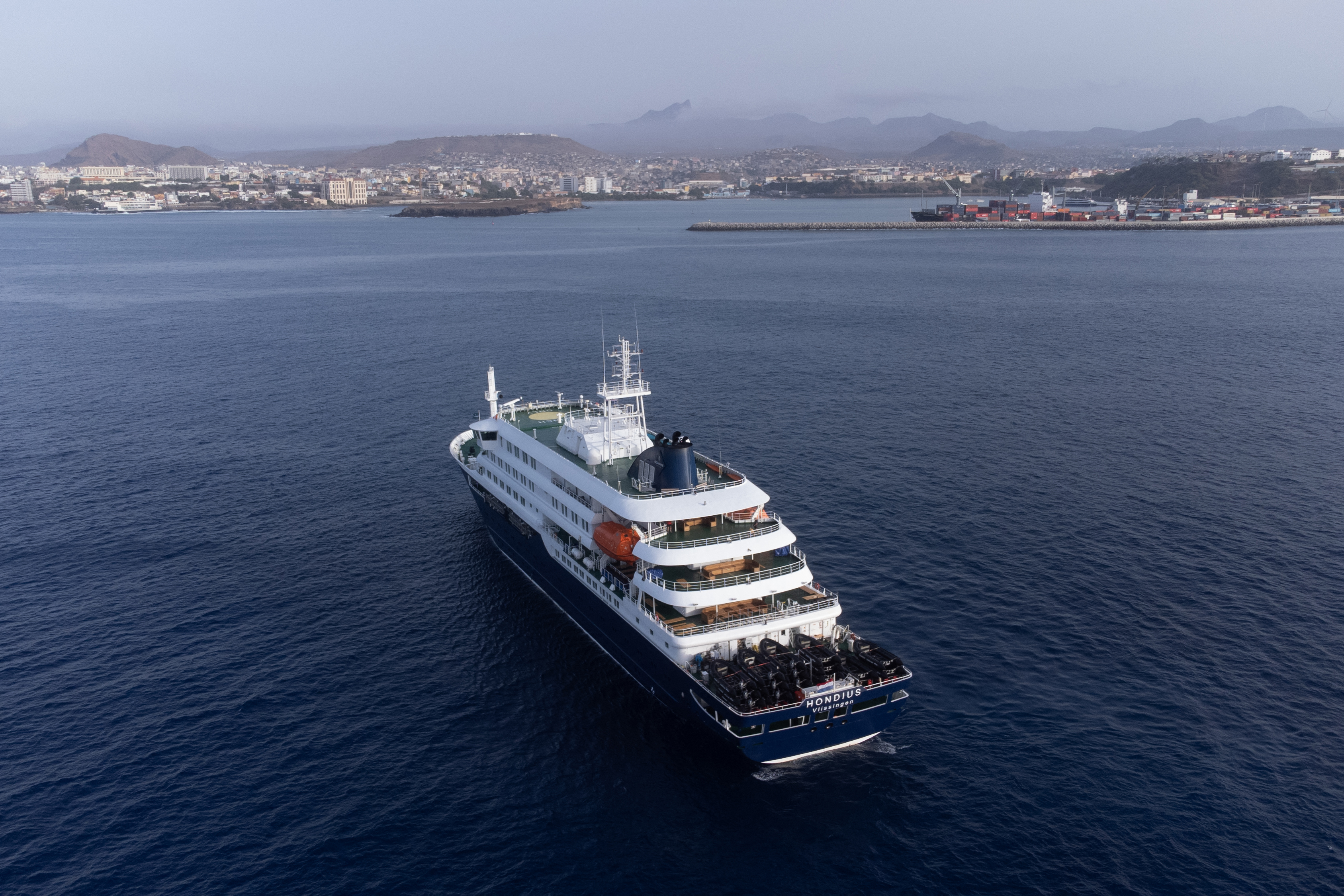
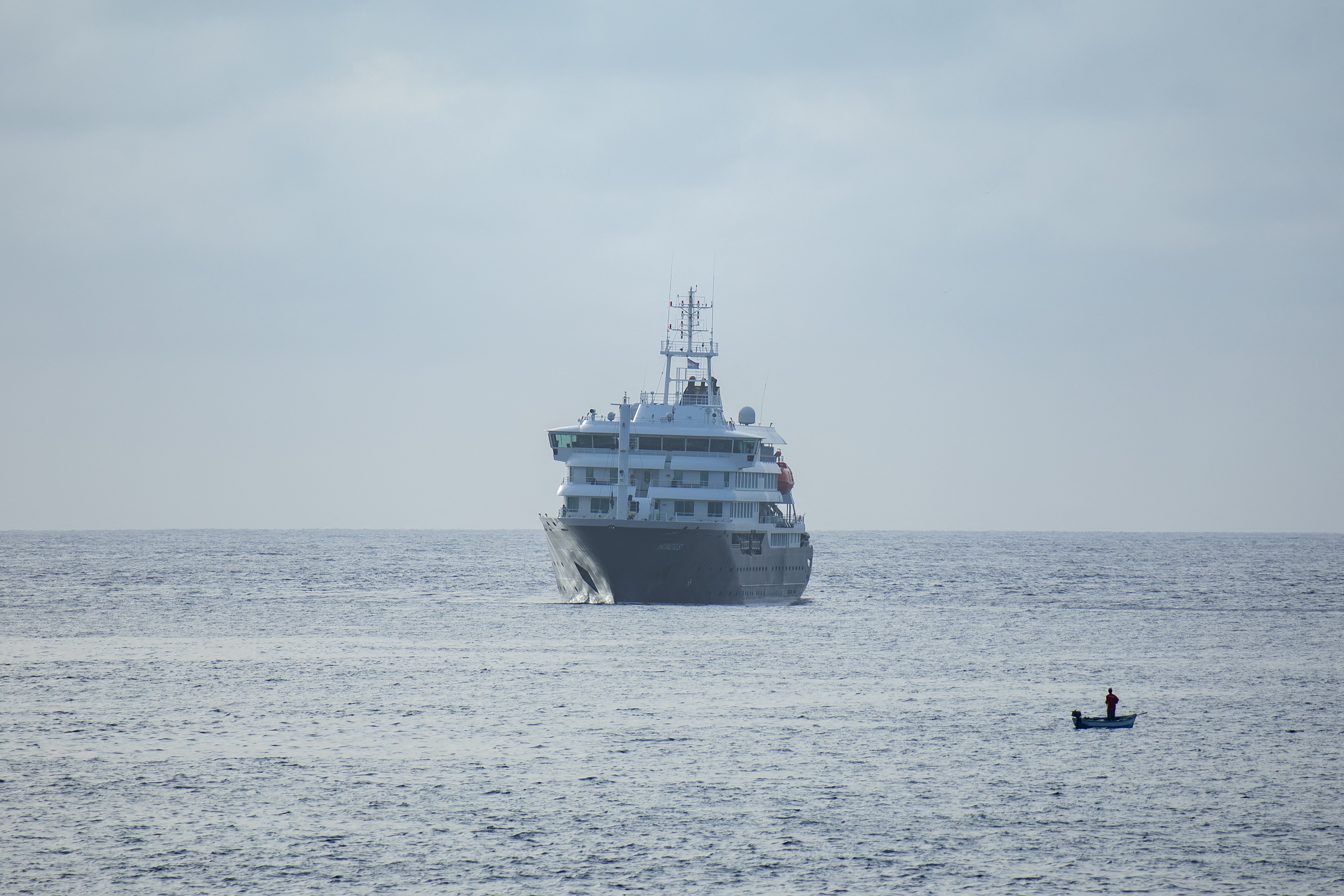
Health officials are working to determine how a rare hantavirus outbreak spread among passengers aboard the MV Hondius, an expedition cruise ship that became the center of an alarming medical investigation in May 2026.
The outbreak has drawn intense attention after multiple passengers became ill and deaths were linked to the virus. Investigators are now focusing on the first person believed to have contracted the infection before a chain of events unfolded across the vessel.
The passenger at the center of the investigation has been identified as Dutch ornithologist Leo Schilperoord, 70. Authorities now suspect he may have unknowingly brought the virus aboard before he became severely ill during the voyage and later died at sea.
His wife, Mirjam Schilperoord, 69, also died after becoming ill while attempting to return to the Netherlands. Their deaths have deeply affected the scientific and birdwatching communities, where the couple had been known for their long devotion to wildlife, conservation, and international bird expeditions.
The case has become especially concerning because the outbreak is believed to involve the Andes strain of hantavirus. That strain is regarded with particular concern because it is the only known form of hantavirus capable of spreading between people.
A Birdwatching Journey That Turned Tragic
Leo and Mirjam Schilperoord came from the Dutch village of Haulerwijk and had spent months traveling through South America. The trip was described by those close to them as a long-awaited birdwatching adventure.
The couple had built much of their lives around ornithology and travel. They had previously co-authored research on pink-footed geese and had journeyed to places including Sri Lanka and South America in search of rare birds.
Before boarding the MV Hondius, they traveled near Ushuaia, Argentina. Investigators believe their exposure to the virus may have occurred in that region shortly before the cruise began.
The suspected exposure site was a landfill outside Ushuaia. The area was reportedly visited by birdwatchers hoping to see Darwin’s caracara, a rare bird species native to the region.
Officials believe the couple may have encountered airborne particles contaminated by rodent droppings. Hantavirus is commonly linked to infected rodents, and people can become infected after breathing in contaminated particles.
What began as a wildlife-focused trip through remote and scenic areas of South America became the starting point of a deadly medical investigation that would later involve multiple countries, passengers, and health authorities.
Boarding the MV Hondius
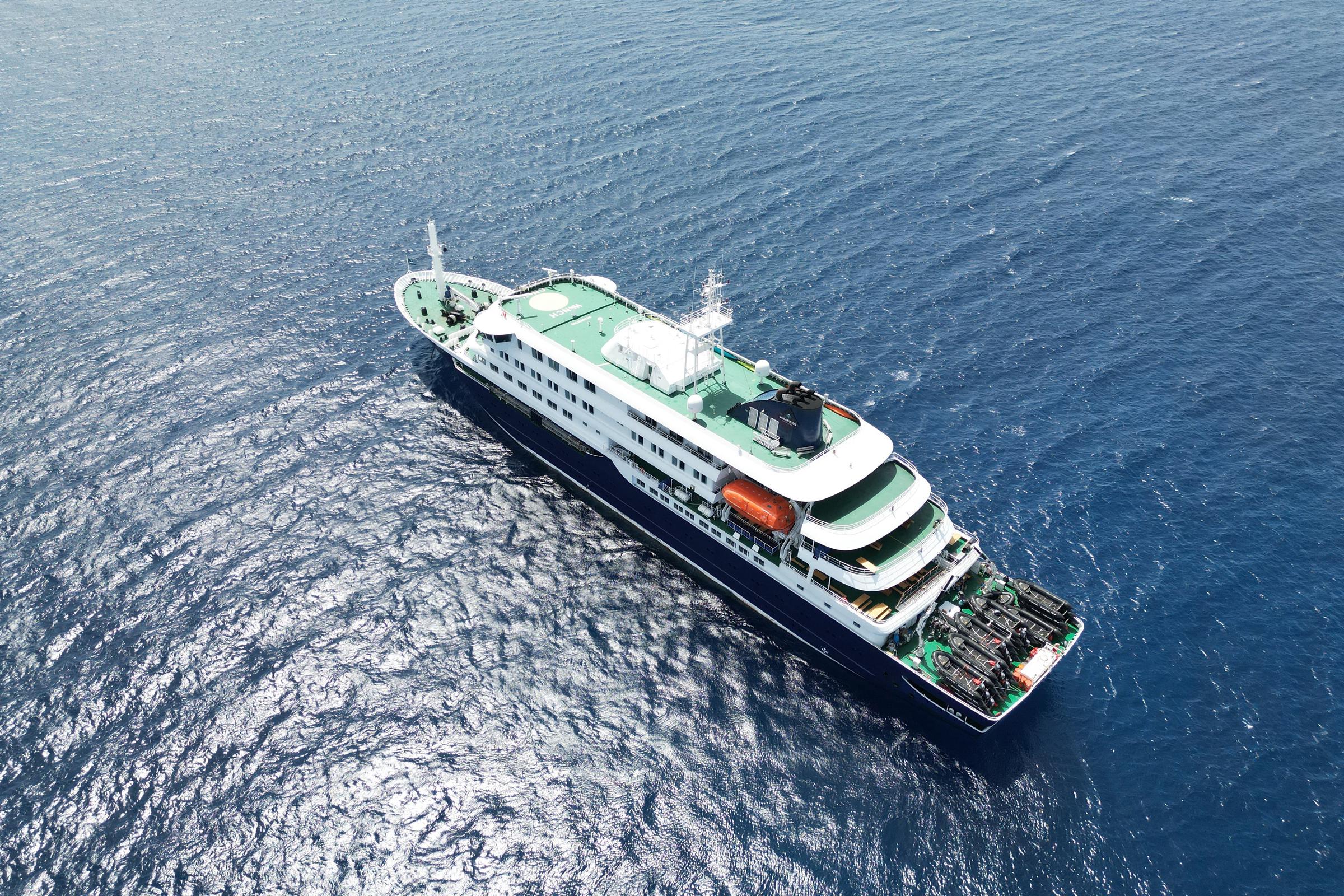
On April 1, the Schilperoords boarded the MV Hondius along with more than 100 passengers. Many of those aboard were scientists, wildlife observers, and bird enthusiasts.
The ship was designed for expedition travel, and its passengers were drawn to remote destinations, nature, and exploration. For the Schilperoords, the voyage appeared to be another chapter in a lifetime of travel connected to birds and conservation.
Only days after boarding, however, the first warning signs began. Leo reportedly developed symptoms on April 6, just four days after visiting the suspected exposure location near Ushuaia.
His symptoms included fever, severe stomach pain, headaches, and diarrhea. At first, the illness may have seemed like a common travel-related sickness or a temporary infection.
The situation quickly became far more serious. Within five days, Leo died on board the vessel.
The suddenness of his decline shocked those following the case. What had appeared to begin with flu-like and gastrointestinal symptoms ended in a fatal outcome before the ship’s journey was over.
Mirjam Schilperoord’s Final Journey
After Leo’s death, Mirjam disembarked in Saint Helena while accompanying her husband’s body. She then continued toward South Africa as part of an effort to return home to the Netherlands.
Her own condition later worsened dramatically. While attempting to board a flight back to the Netherlands, she reportedly became gravely ill.
She later collapsed at the airport and died. Her death turned an already devastating case into a double tragedy involving a couple who had shared decades of interest in birds, travel, and scientific observation.
The deaths of Leo and Mirjam intensified public concern about the outbreak. Their story also gave the medical investigation a deeply human dimension, showing how quickly a long-awaited journey can become a tragedy.
As investigators reviewed the timeline, attention increasingly focused on the possibility that Leo had been the first passenger infected and that the virus later spread from that initial case.
He has been described in the investigation as the suspected “patient zero” of the outbreak.
Concern Over the Andes Strain
The possible involvement of the Andes strain has made the MV Hondius outbreak especially alarming. Most hantavirus strains are associated with rodent exposure and do not spread from person to person.
The Andes strain is different. It has long concerned health specialists because it is one of the only known hantavirus strains shown to transmit between humans.
That possibility has become central to the investigation aboard the MV Hondius. Health officials are working to understand whether any infections occurred through direct exposure to an infected person rather than through contaminated rodent material.
The suspected original exposure near Ushuaia may have involved rodent droppings at the landfill site. After that, investigators are examining how the virus may have moved among passengers in the close environment of the ship.
Cruise and expedition vessels can create complex conditions for outbreak investigations. Passengers share common spaces, move through controlled corridors, and may interact repeatedly over several days or weeks.
Even so, health specialists have emphasized that broader public risk remains low. The unusual circumstances of the cruise outbreak do not necessarily suggest widespread danger to the general public.
How Hantavirus Spreads
Hantaviruses are primarily associated with infected rodents. The virus can be present in rodent urine, saliva, and droppings.
People most often become infected when contaminated particles become airborne and are inhaled. This can happen when rodent-contaminated areas are disturbed, especially in enclosed or dusty spaces.
Infection can also occur after a person touches contaminated surfaces and then touches the mouth, nose, or eyes. Contaminated food can also pose a risk.
Rodent bites and scratches are another possible route of infection. The virus is not usually associated with casual public exposure, but contact with contaminated rodent material can be dangerous.
Across North and South America, many hantavirus strains can cause hantavirus pulmonary syndrome, also known as HPS. This is a severe respiratory illness that can become life-threatening.
The Andes strain linked to the MV Hondius investigation has raised added concern because of its rare ability to spread between humans under certain circumstances.
Symptoms That Can Escalate Quickly
Early symptoms of hantavirus pulmonary syndrome can resemble the flu. Patients may develop fever, fatigue, headaches, stomach pain, and severe muscle aches.
These symptoms can make the illness difficult to recognize in its early stages. A person may believe they are dealing with a routine infection or travel-related sickness.
As the illness progresses, it can become far more dangerous. In severe cases, patients develop serious breathing problems as fluid begins filling the lungs.
This respiratory decline can happen quickly and may require intensive medical support. Doctors focus on stabilizing breathing and supporting the body because there is no specific antiviral medication or vaccine available for hantavirus infections.
Early medical intervention is considered critical. Once HPS becomes severe, the illness can be extremely difficult to treat.
Nearly four in ten people diagnosed with HPS do not survive, making it one of the more serious infections associated with rodent-borne viruses.
Public Reaction Intensifies Online
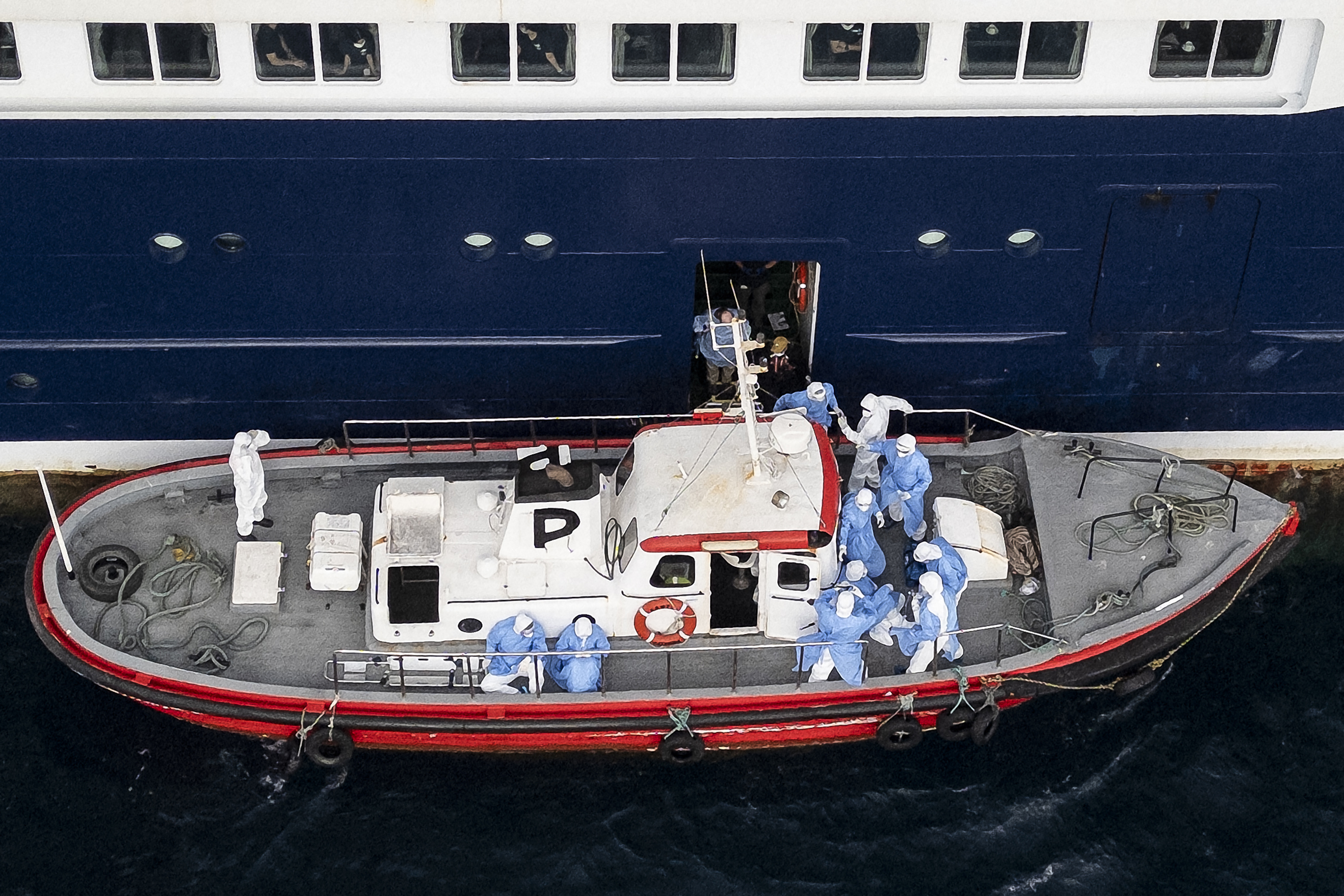
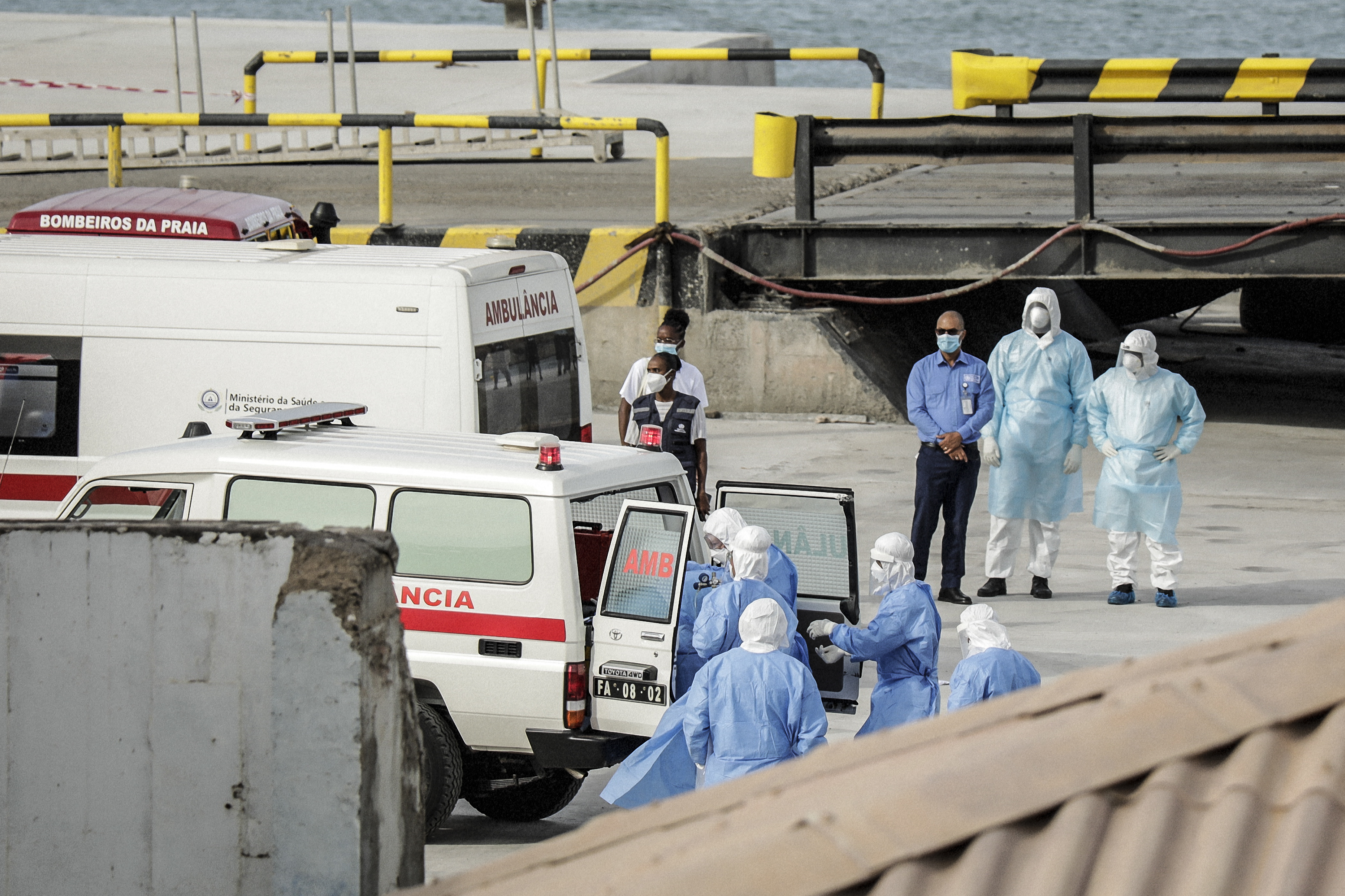
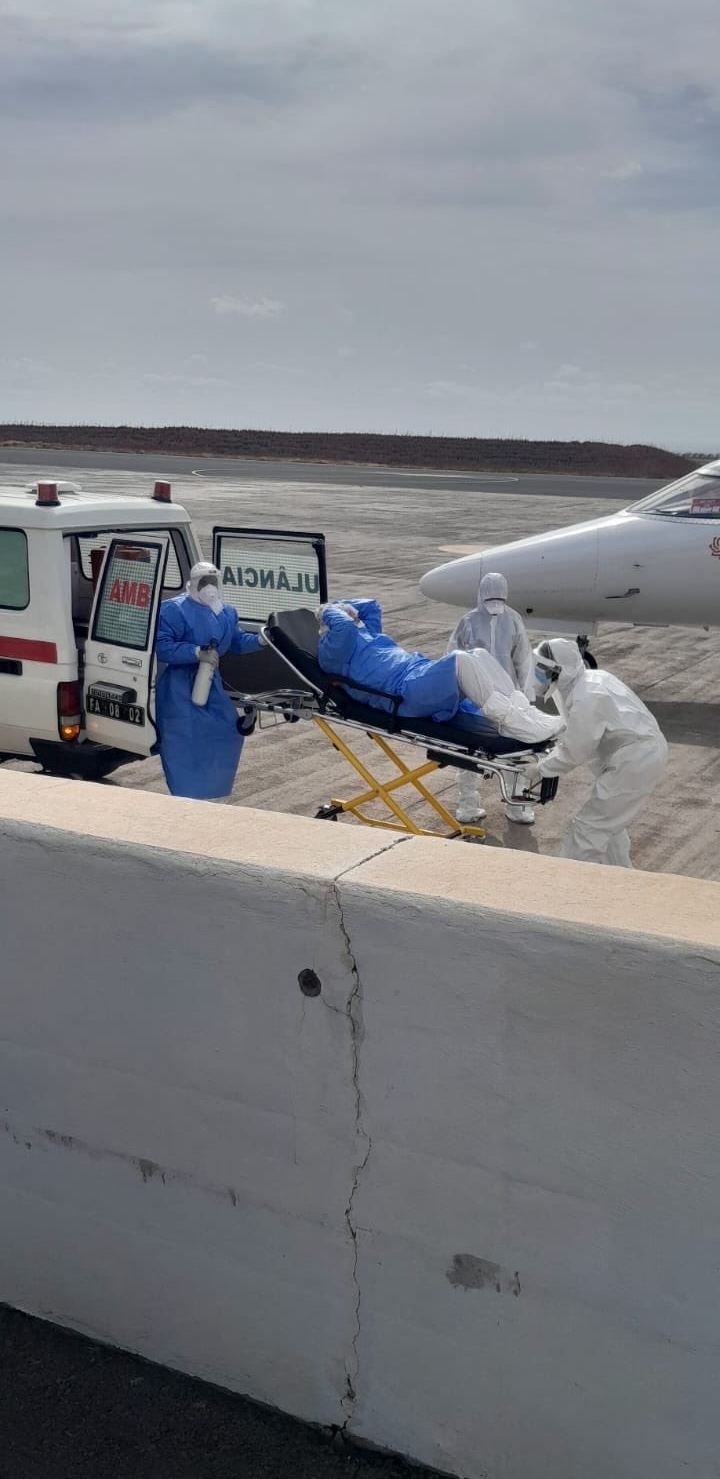
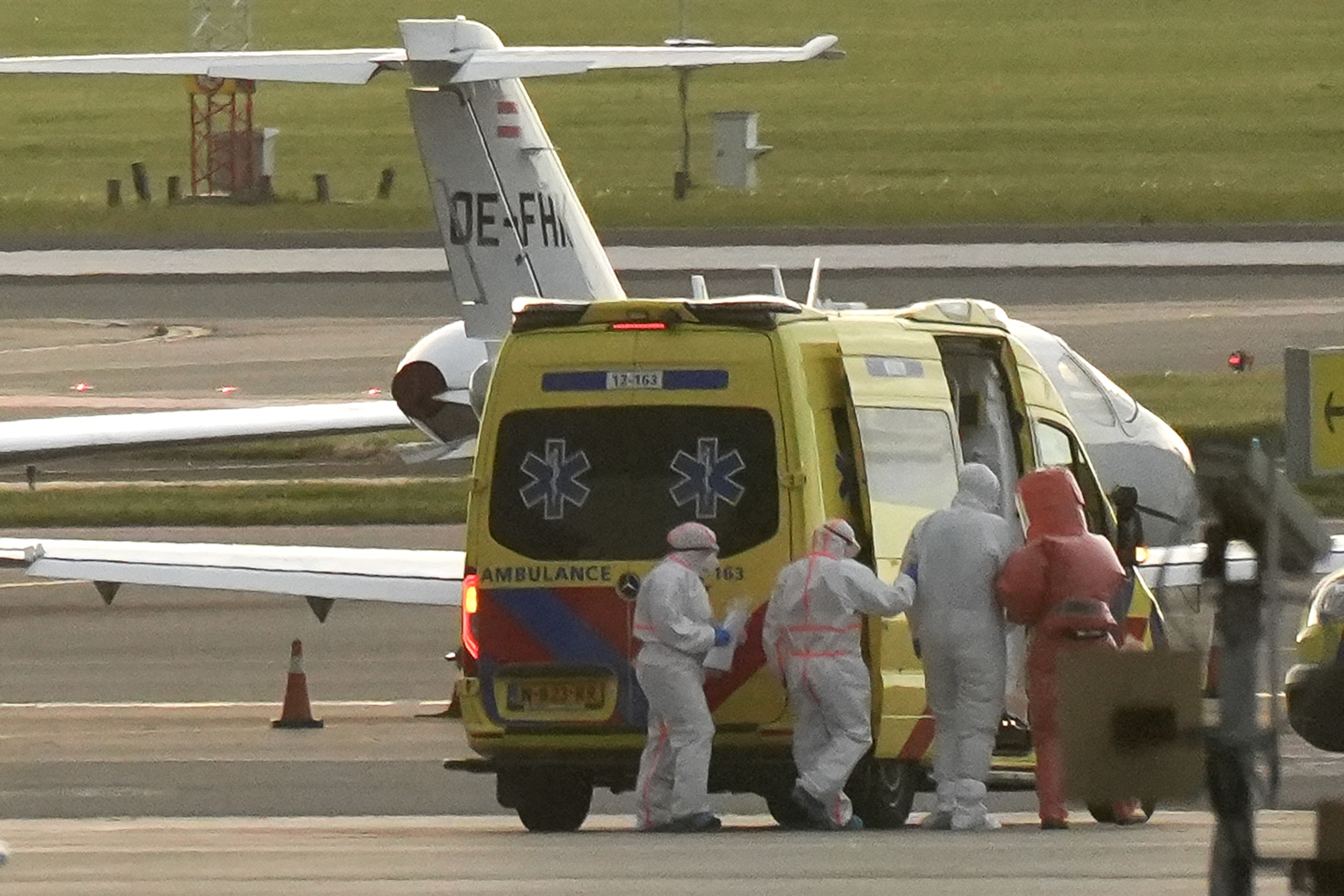
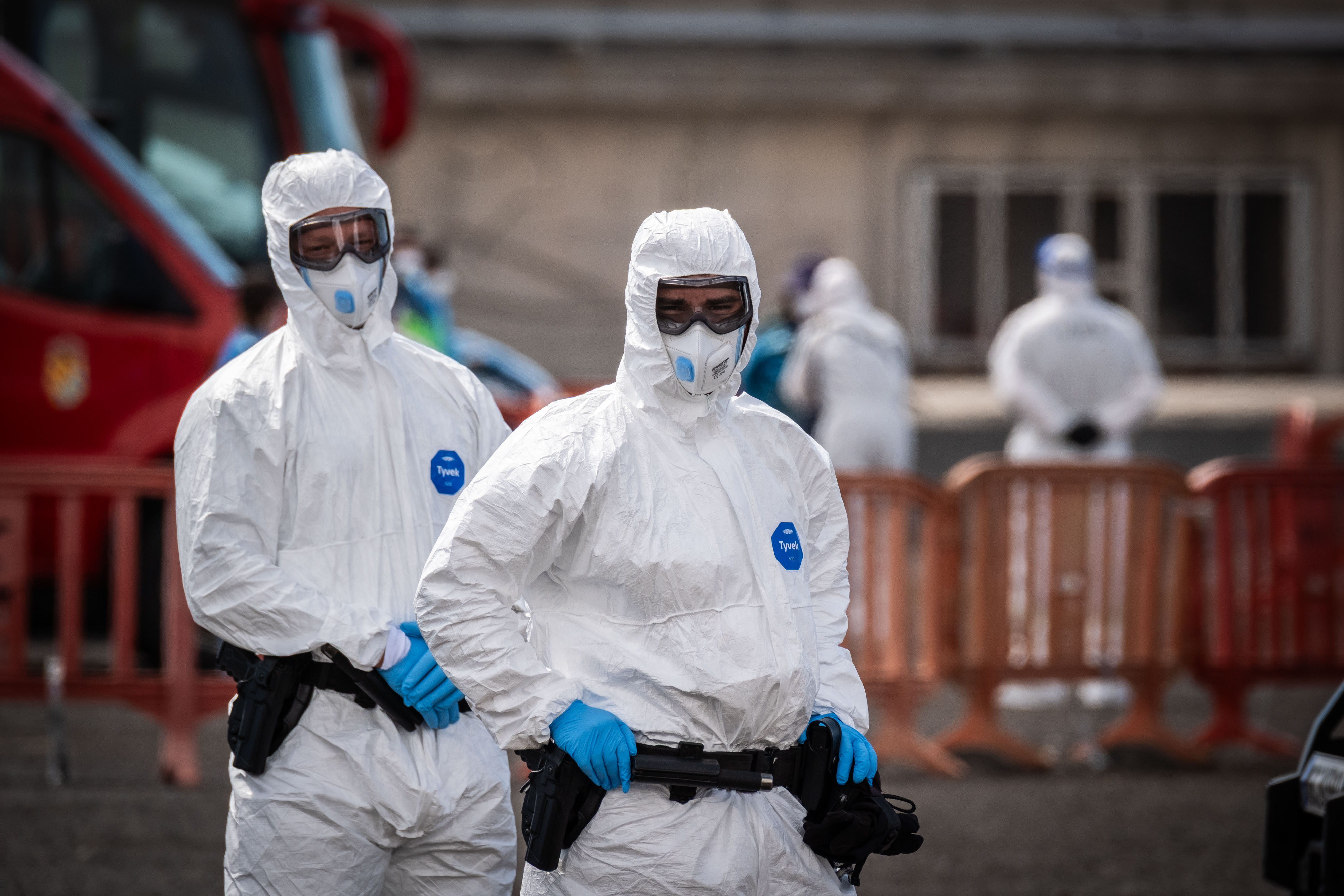
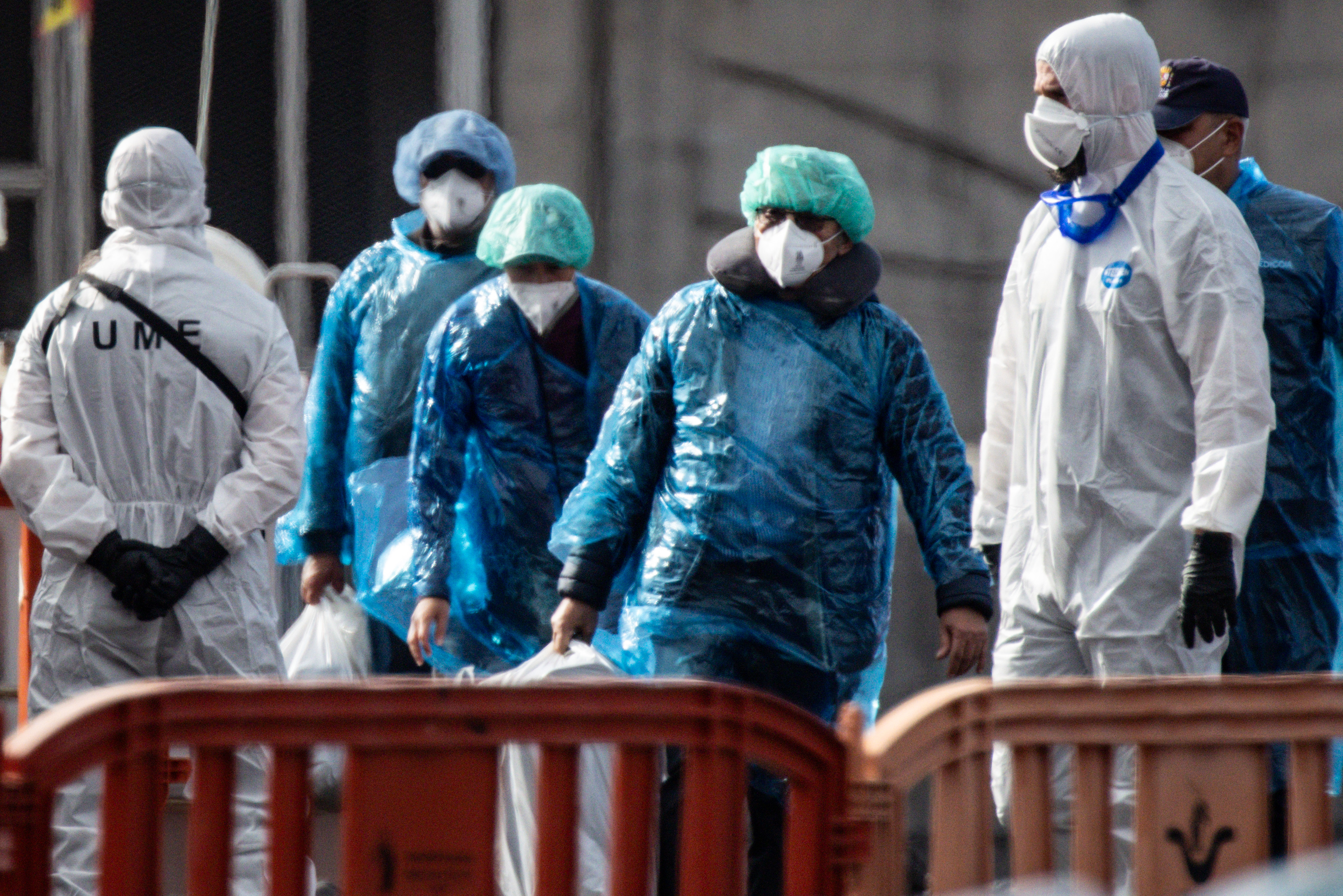
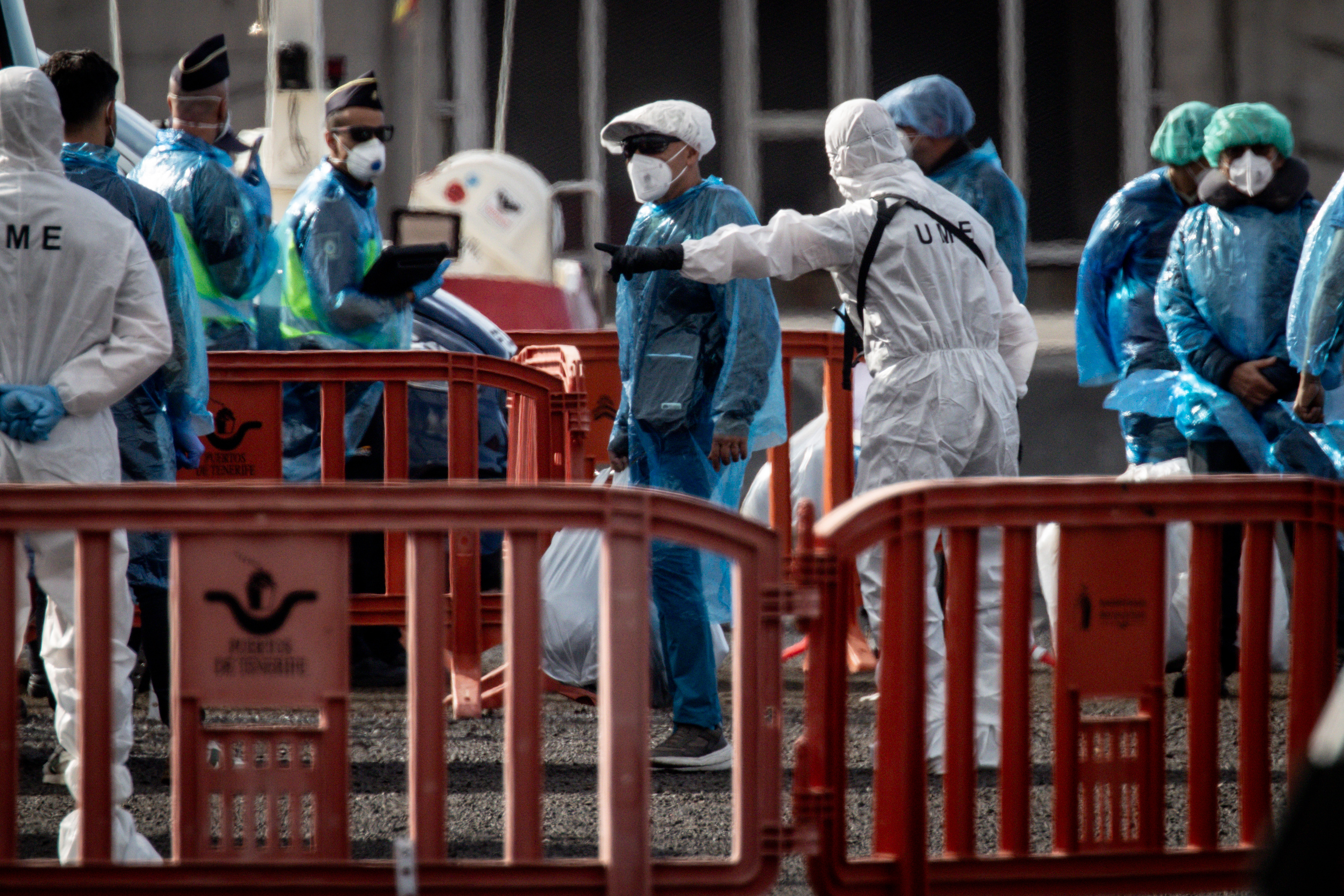
As details of the MV Hondius outbreak spread, public concern grew rapidly online. Images showing health workers in protective equipment responding to the situation contributed to anxiety among observers.
Some people focused on the protective suits worn by medical crews and wondered whether the danger was greater than officials were saying.
“Look closely at the suits the Hantavirus crews are wearing,” one commenter wrote.
Others expressed concern that the disease classification or outbreak severity might be more serious than initially understood.
“I’m afraid this might be a Category 2 disease,” one person commented, while another wrote, “This is very serious.”
“Are you saying this is more serious than we think?” another person asked.
The online reaction reflected uncertainty, fear, and the difficulty of interpreting an unusual outbreak involving a rare virus, an expedition ship, and passengers from multiple countries.
Officials Work to Reassure the Public
Despite the concern surrounding the outbreak, authorities have continued emphasizing that the broader public risk remains low. The deaths and suspected infections are serious, but the circumstances appear specific and limited.
Health officials are tracing possible exposures, monitoring passengers, and reviewing the timeline of symptoms. Their work includes determining whether some cases may have involved person-to-person spread linked to the Andes strain.
The investigation also involves reconstructing the movements of passengers before and during the voyage. The suspected landfill exposure near Ushuaia remains a key point in the timeline.
Medical crews responded to the ship while it was stationary off Praia, the capital of Cape Verde, and later passengers were processed after disembarkation in the Canary Islands.
Protective procedures were used because health workers needed to manage potential infections safely. The use of protective equipment does not automatically mean the public is at high risk.
Instead, it reflects the seriousness with which authorities handle suspected infectious disease events, especially when transmission patterns are still under review.
Additional Cases Under Investigation
The outbreak did not involve only the Schilperoords. A German passenger reportedly developed symptoms near the end of April and later died aboard the vessel on May 2.
That case added urgency to the investigation. Health officials are working to determine how that passenger became infected and whether the illness was connected directly or indirectly to earlier cases on the ship.
Investigators are examining whether some of the infections involved human-to-human transmission. This remains a crucial question because the Andes strain is capable of spreading in a way most hantaviruses do not.
The close environment of a ship adds complexity. Passengers may share dining areas, expedition spaces, hallways, and other enclosed environments over an extended period.
At the same time, experts continue to stress that the virus is not expected to spread broadly through ordinary travel. The outbreak appears tied to a specific sequence of exposure and transmission concerns.
Authorities are continuing to assemble the timeline to better understand when symptoms began, who may have been exposed, and how the virus moved during the voyage.
Air Travel Risk Considered Low
As passengers traveled home or were moved for medical care, questions arose about whether hantavirus could spread through commercial air travel. Specialists have stated that the general risk remains extremely low.
Robert Cross, an associate professor at the University of Texas Medical Branch, said that “the average person has no reason to worry” and described the transmission risk aboard airplanes as “virtually no risk” within the United States.
Modern aircraft use advanced air filtration systems that help reduce the spread of infectious diseases. Those systems are part of why experts do not consider ordinary air travel a major concern in this situation.
Travelers who remain worried can take basic precautions. Careful hand hygiene and properly fitted N95 respirators may reduce risk further, especially in regions where the Andes strain is known to circulate.
Those precautions are most relevant for people traveling in areas where exposure to infected rodents may occur or where confirmed Andes strain activity is present.
For the wider public, the key message from specialists remains that this outbreak is serious but not a sign of broad, uncontrolled spread.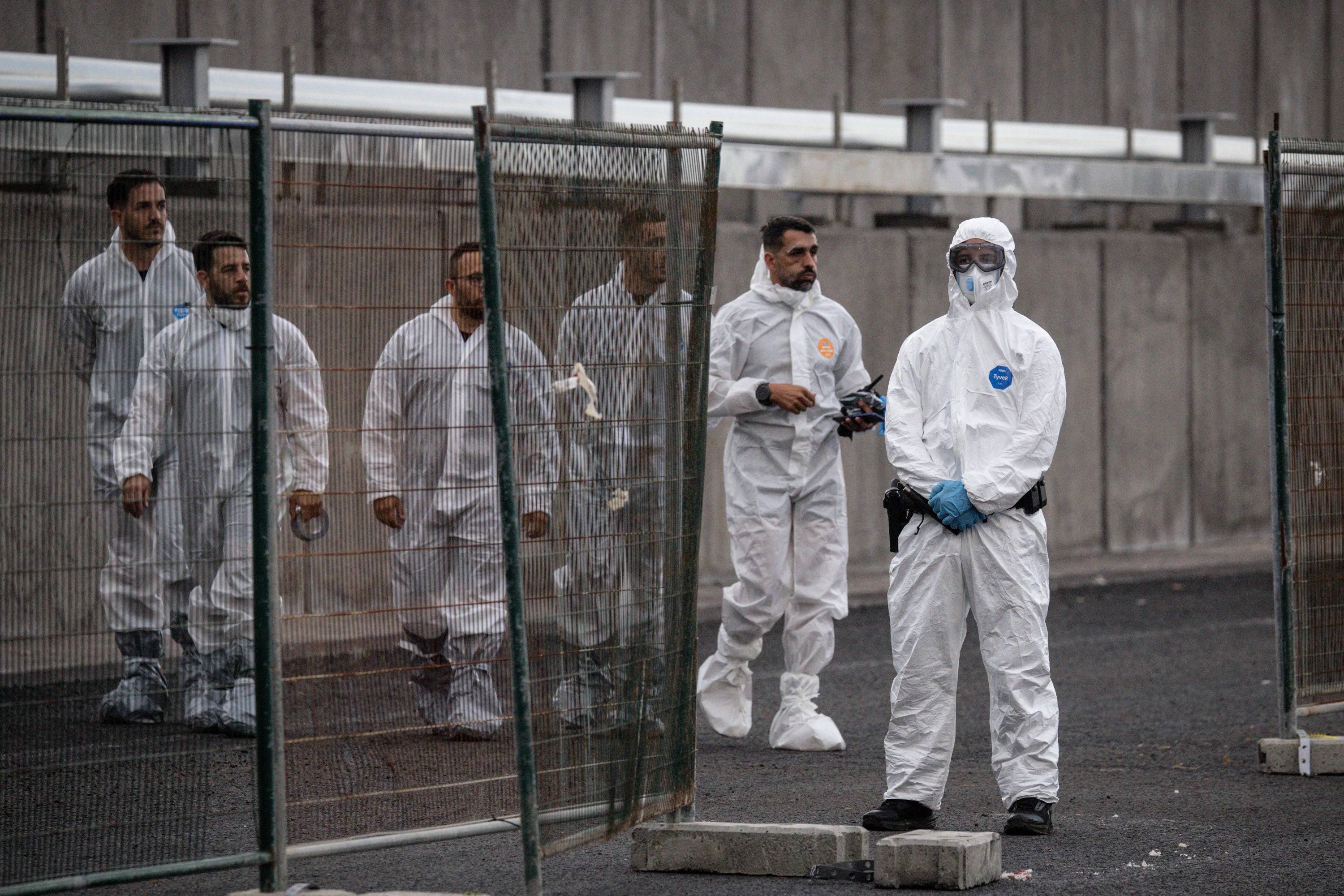
Comparison With Earlier Hantavirus Deaths
The MV Hondius outbreak has renewed public attention to hantavirus following the 2025 deaths of Gene Hackman and his wife, Betsy Arakawa.
Authorities determined that Betsy Arakawa died from hantavirus pulmonary syndrome after likely exposure to rodent droppings near the couple’s home.
Gene Hackman did not die from the virus. Officials said his death was caused by natural complications related to heart disease and Alzheimer’s disease.
That earlier case brought hantavirus into wider public discussion before the MV Hondius outbreak occurred. The cruise ship situation has now intensified interest because it involves multiple passengers and a strain capable of person-to-person transmission.
The two situations are different. The earlier case involved likely rodent exposure near a home, while the MV Hondius outbreak may include a combination of environmental exposure and possible transmission among people.
Both cases, however, have reminded the public that hantavirus can be rare but extremely severe when infection occurs.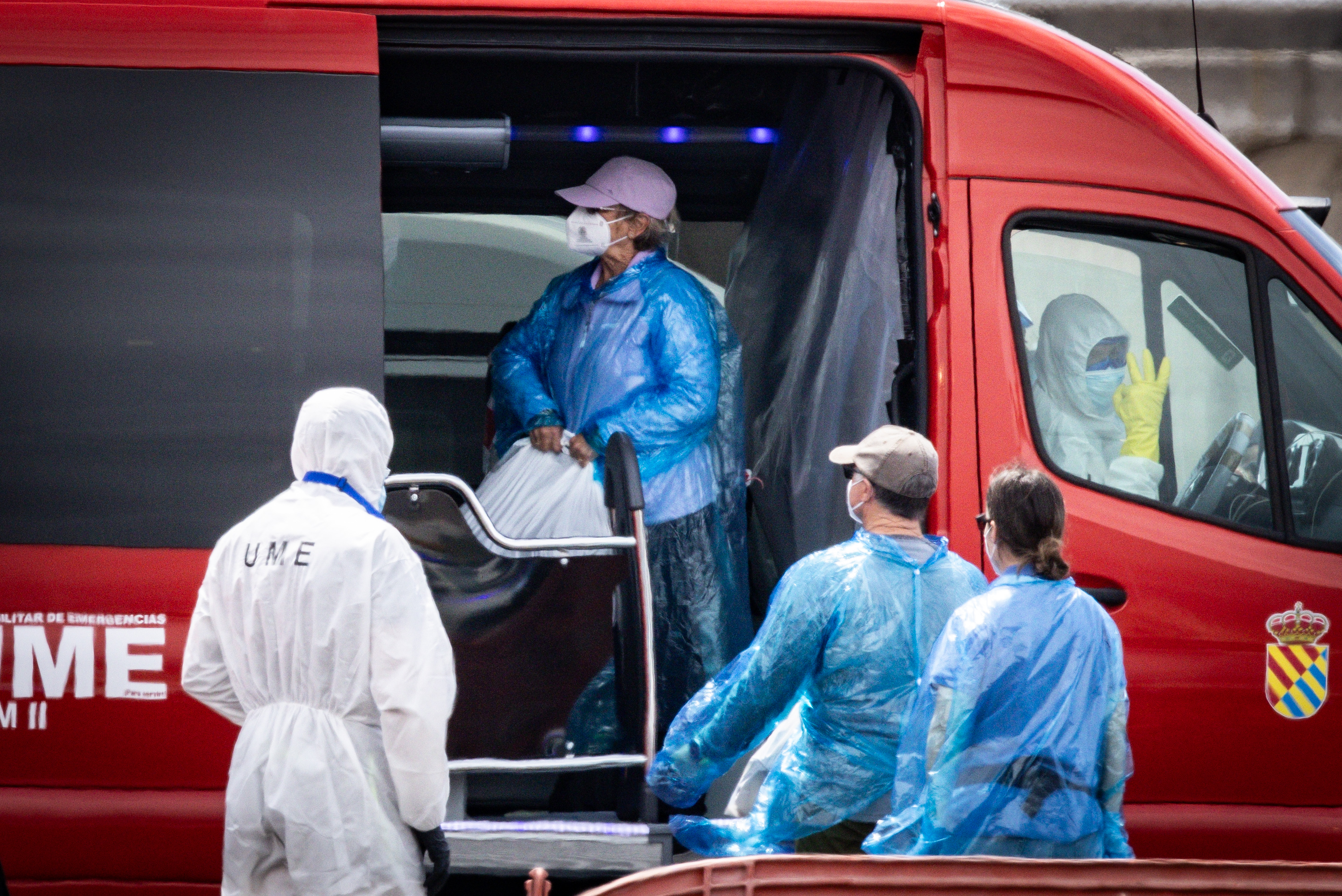
The Challenge Facing Investigators
Investigators must now determine how the virus entered the passenger group and how it moved afterward. The suspected starting point remains the visit near Ushuaia, where the Schilperoords may have been exposed to contaminated particles.
From there, the timeline becomes more complicated. Leo became ill on April 6 and died five days later aboard the ship.
Mirjam later became ill and died while trying to return home. A German passenger developed symptoms toward the end of April and died on May 2.
Health officials must determine whether later cases were connected through contact with infected individuals, shared environmental exposure, or another pathway not yet fully understood.
The Andes strain makes that question especially urgent. If person-to-person transmission occurred, officials need to identify the conditions under which it happened and determine who may have been at risk.
The investigation is ongoing, and final conclusions have not yet been reached.
A Couple Remembered for Their Love of Birds
Beyond the public health investigation, Leo and Mirjam Schilperoord are being remembered for their shared passion for birds and nature. Their lives were closely tied to wildlife observation, travel, and conservation.
Their obituaries in their local village magazine described a devoted couple bonded by ornithology and exploration. Their work and travels reflected a lifelong interest in rare species and natural environments.
The trip through South America had been part of that shared passion. The suspected visit to the landfill outside Ushuaia was connected to the search for Darwin’s caracara, a bird that attracted birdwatchers to the area.
That detail adds a painful layer to the tragedy. The couple may have encountered the virus while pursuing the activity that had brought them joy for decades.
Their deaths have affected not only their family and village, but also wider communities of birdwatchers and scientists who understood the kind of dedication their travels represented.
The outbreak investigation will continue, but for those who knew the couple, the loss is personal and profound.
A Rare Outbreak With Unanswered Questions
The MV Hondius outbreak remains under investigation as health officials continue tracing exposures, monitoring passengers, and studying possible transmission patterns.
The suspected role of the Andes strain has made the case particularly important because of the strain’s ability to spread between humans. That feature separates it from most hantavirus infections and raises difficult questions about how the shipboard outbreak unfolded.
Authorities are still working to identify the full timeline, beginning with the suspected exposure near Ushuaia and continuing through the deaths and medical evacuations connected to the ship.
Public fear has grown in part because the outbreak involves a rare virus, dramatic images of protective medical response, and a setting that allowed passengers from different countries to cross paths in close quarters.
Even with those concerns, experts continue to stress that the broader risk to ordinary travelers remains low. The investigation is focused on a specific outbreak, not evidence of widespread public transmission.
For the families affected, however, the consequences are already devastating. A birdwatching expedition became a medical emergency, and a couple known for a lifetime of exploration died after what investigators believe may have been an invisible exposure to a dangerous virus.
As health authorities continue their work, the MV Hondius case stands as a rare and tragic example of how a hidden environmental hazard can follow travelers across borders, onto a ship, and into a global public health investigation.