
Psoriasis Symptoms, Types, and Why Proper Management Matters
Psoriasis is more than a surface-level skin concern. It is a complex autoimmune condition that can affect the skin, nails, sleep, comfort, concentration, and overall quality of life. For many people, the condition appears as scaly patches, irritated areas, discolored spots, or noticeable changes in the nails.
Because psoriasis can develop in different forms, understanding its possible signs is an important part of managing the condition. Each type has its own appearance, common locations, triggers, and level of severity. Recognizing those differences can help people respond more carefully when symptoms appear.
Psoriasis can be uncomfortable, visible, and emotionally difficult. The condition may cause itching, pain, irritation, or embarrassment, especially when symptoms appear on areas of the body that are difficult to conceal. For that reason, proper attention to symptoms and timely medical care are essential.
What Psoriasis Does to the Skin
At its core, psoriasis is an autoimmune disease that speeds up the normal life cycle of skin cells. Instead of shedding at a typical pace, skin cells build up rapidly on the surface. This buildup can create inflamed, red, raised, itchy, or scaly patches.
The condition most often appears on areas such as the knees, elbows, trunk, and scalp. However, psoriasis can develop in several other places as well, depending on the type. It may also affect areas where skin folds, where friction occurs, or where sweating is common.
Psoriasis is considered a common, long-term chronic disease. More than 125 million people around the world live with it, including about 8 million people in the United States. Its impact can extend beyond visible symptoms because it may interfere with sleep, concentration, daily comfort, and general well-being.
The exact cause of psoriasis is not fully known. Genetic factors and environmental triggers both play major roles. This means that the condition may be influenced by a person’s inherited risk as well as outside factors that can provoke or worsen symptoms.
There are five main forms of psoriasis. These include plaque psoriasis, guttate psoriasis, inverse psoriasis, pustular psoriasis, and erythrodermic psoriasis. Each form can look different, feel different, and require a different level of attention.
Plaque Psoriasis
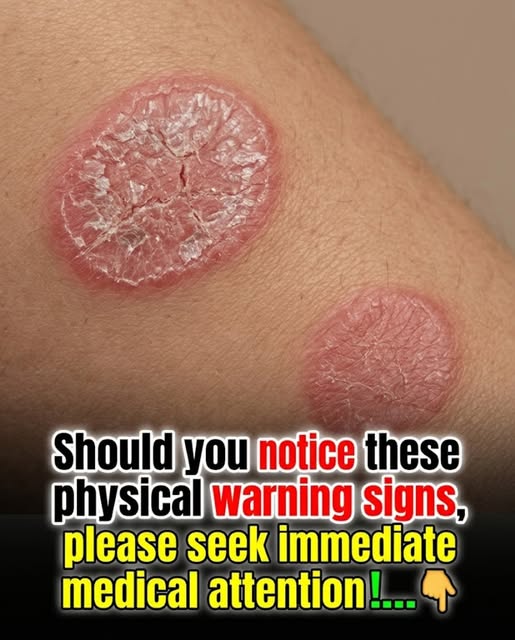
Plaque psoriasis is the most commonly diagnosed form of the disease. It is marked by dry, raised, itchy lesions known as plaques. These plaques are usually covered with scales and can vary in number from only a few patches to many areas across the body.
The most common locations for plaque psoriasis include the lower back, scalp, elbows, and knees. These areas may become thickened, irritated, and uncomfortable. The patches can also draw attention because of their texture and color.
The color of plaque psoriasis can differ depending on a person’s natural skin tone. On some skin tones, plaques may appear pink or red with a silvery coating. On darker complexions, healing areas may leave temporary discoloration known as post-inflammatory hyperpigmentation.
The texture of plaque psoriasis is often thick, scaly, and raised. Itching can range from moderate to severe. Some people may experience discomfort that affects their ability to sleep, focus, or move comfortably during daily activities.
Any unusual skin changes should be evaluated by a medical professional. This is especially important when patches become painful, widespread, persistent, or difficult to manage. Early recognition can help prevent symptoms from becoming more disruptive.
Guttate Psoriasis
Guttate psoriasis is most often seen in children and young adults. It frequently appears after a bacterial illness, such as strep throat. This connection makes it especially important to pay attention to new skin symptoms following an infection.
This type of psoriasis usually appears as small, droplet-shaped sores. These spots may develop across the arms, legs, or torso. Their size and shape often distinguish them from the thicker plaques seen in plaque psoriasis.
Unlike plaque psoriasis, the spots linked with guttate psoriasis are generally thinner and have fewer scales. Their teardrop-like shape is one of the key features that can make this form recognizable. The symptoms may still be uncomfortable and concerning, especially when they appear suddenly.
Guttate psoriasis can be emotionally stressful because it may spread across visible areas of the body. Even when the spots are small, their number and distribution can make them noticeable. This can create both physical discomfort and social difficulty.
The main features of guttate psoriasis include tiny teardrop-shaped spots, a connection with bacterial infections, and common involvement of the limbs and torso. Anyone who develops these symptoms after an illness should consider medical evaluation.
Inverse Psoriasis
Inverse psoriasis develops in the natural folds of the skin. Common areas include under the breasts, in the groin, and around the buttocks. Because it forms in places where skin touches skin, it can be especially sensitive and difficult to manage.
This type does not usually have the scaly texture associated with other forms of psoriasis. Instead, it tends to appear as smooth, glossy, red areas. The skin may look shiny and irritated rather than thick and flaky.
Sweating and friction can make inverse psoriasis worse. Since it appears in creases and folds, everyday movement can aggravate the affected skin. Moisture in these areas can also increase irritation and discomfort.
Fungal infections can frequently act as a catalyst for this form of psoriasis. Because of its location, inverse psoriasis is also highly vulnerable to secondary fungal infections. This makes hygiene and moisture control especially important.
Keeping affected areas clean and dry can be an important part of managing inverse psoriasis. However, because the condition often develops in sensitive locations, treatment can be challenging. Medical guidance is important when symptoms persist, worsen, or become painful.
Pustular Psoriasis
Pustular psoriasis is less common than some other forms, but it can be intense and visually striking. It is identified by white pustules, which are blisters containing non-infectious pus. These pustules appear against red, irritated skin.
The outbreaks may remain limited to specific areas, such as the hands and feet. In other cases, they may spread more widely across the body. The severity can range from localized symptoms to extensive involvement.
Pustular psoriasis may be accompanied by symptoms such as chills or fever. These signs can indicate that the flare is more serious and should not be ignored. The presence of pus-filled blisters, especially with systemic symptoms, requires prompt attention.
This type of psoriasis can be alarming because of its appearance and intensity. The pustules are not infectious, but they can signal a severe underlying flare-up. Dismissing them as minor skin irritation can delay needed care.
Pustular psoriasis requires urgent medical care. Anyone who notices pus-filled blisters associated with red, inflamed skin should seek professional help, particularly if fever, chills, or widespread symptoms are present.
Erythrodermic Psoriasis
Erythrodermic psoriasis is the rarest and most extreme form of the disease. It can cause widespread redness, scaling, and peeling that covers large portions of the body. This type is a medical emergency and can be life-threatening.
The symptoms can include severe skin shedding, intense redness, swelling, pain, and severe itching. Because so much of the skin may be involved, the condition can place significant strain on the body. It is not a form of psoriasis that should be managed at home without urgent care.
Potential triggers include sudden withdrawal of psoriasis medications, severe sunburns, or infections. These triggers can lead to a dangerous flare that progresses quickly. People with psoriasis should be especially cautious when symptoms suddenly become widespread or severe.
Erythrodermic psoriasis typically requires hospitalization. Its seriousness comes from the extent of skin involvement and the intensity of symptoms. Immediate medical attention is necessary if signs of this condition appear.
Because this type can become life-threatening, rapid response matters. Severe peeling, bright redness across large body areas, intense pain, swelling, and itching should be treated as urgent warning signs.
Nail Changes Linked to Psoriasis
Psoriasis is not always limited to the skin. It can also affect the nails, producing changes that may be easy to overlook at first. These changes can include discoloration, pitting, thickening, or separation of the nail from the nail bed.
Nail separation from the nail bed is known as onycholysis. This can be distressing and may affect the appearance and function of the nails. Nail symptoms can occur alongside skin symptoms or may appear as an early sign of another related problem.
Nail changes may serve as an early warning sign of psoriatic arthritis. This related condition affects the joints. Because of that connection, nail symptoms should not be dismissed as purely cosmetic.
When psoriasis affects the nails, it may signal that the condition is influencing more than the skin’s surface. Monitoring nail changes can help people notice patterns and seek care when symptoms point to a broader health concern.
Why Recognizing the Type Matters
Psoriasis can appear in several different ways, and each form carries its own challenges. Plaque psoriasis often produces thick, scaly patches. Guttate psoriasis may appear as small teardrop-shaped spots after bacterial infection. Inverse psoriasis develops in skin folds and may worsen with friction and moisture.
Pustular psoriasis involves pus-filled blisters and may come with chills or fever. Erythrodermic psoriasis causes widespread redness, peeling, pain, and swelling and must be treated as a medical emergency. Nail symptoms may also point to deeper concerns, including possible joint involvement.
Recognizing these differences can help people better understand what they are experiencing. It can also support more informed conversations with healthcare professionals. Since symptoms can be painful, visible, and disruptive, proper care is an important part of protecting overall health.
Psoriasis can affect daily life in many ways. It may interfere with sleep, make concentration harder, cause discomfort, and create emotional stress because of visible symptoms. For people living with the condition, management is not only about appearance but also about comfort, function, and well-being.
If signs such as scaly patches, discolored areas, pus-filled blisters, nail changes, or widespread redness appear, medical evaluation is important. Psoriasis is a chronic condition, and understanding its forms can help people respond with greater awareness and care.
While psoriasis may be long-term and challenging, identifying its symptoms is a meaningful step toward better management. Paying attention to skin and nail changes, recognizing severe warning signs, and seeking professional care when needed can help protect health and improve quality of life.