
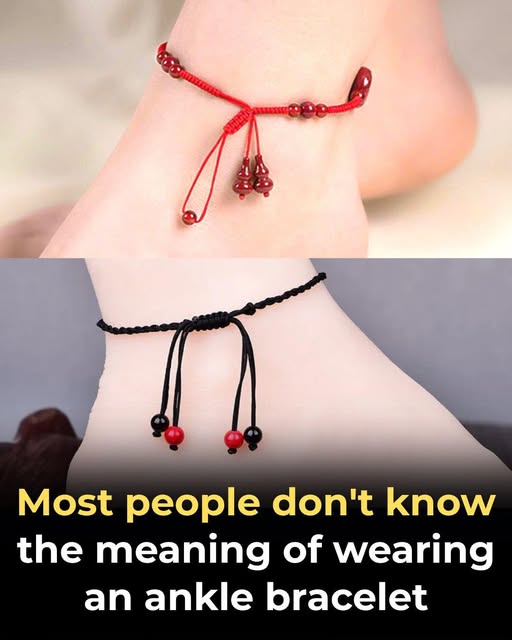
The Enduring Meaning and Timeless Appeal of the Ankle Bracelet
A Delicate Ornament With a Long Human History
The ankle bracelet has remained one of the most subtle yet captivating forms of personal adornment for thousands of years. Lightweight, graceful, and often understated, it has occupied a special place in human decoration without needing the dramatic presence of crowns, heavy necklaces, or elaborate ceremonial jewelry.
Its charm comes from restraint. An anklet does not usually dominate the body or demand immediate attention. Instead, it enhances the natural line of the leg and draws quiet focus to the ankle, a feature often overlooked in fashion and ornament.
That quiet elegance has helped the ankle bracelet endure across centuries. It is simple enough to be worn casually, yet meaningful enough to carry cultural, spiritual, social, and emotional significance. Few accessories have moved so easily between everyday life and symbolic tradition.
Across different civilizations, the anklet has represented far more than beauty. It has been connected with protection, prosperity, marital status, femininity, wealth, sensuality, identity, and self-expression. Its meanings have changed depending on place, period, and cultural values.
What makes the anklet especially remarkable is its ability to evolve while keeping its essential appeal. From ancient societies to modern wardrobes, it has remained a graceful object through which people express something about themselves, their beliefs, or their place in the world.
More Than a Fashion Accessory
The anklet’s history shows that jewelry has rarely been only decorative. In many cultures, adornment carried meaning. It could identify a person’s social rank, signal marital status, protect the wearer, or connect the body to spiritual beliefs.
The ankle bracelet fits clearly within that larger tradition. Though small in size, it has often held layered meanings. It could be practical, symbolic, sensual, or ceremonial, depending on the society in which it was worn.
Unlike ornaments designed for the head, neck, or hands, the anklet occupies a more discreet position. This placement gives it a special quality. It can be visible or hidden, expressive or private, depending on movement, clothing, and context.
That flexibility has allowed the anklet to survive changing fashion systems. It can appear in formal dress, bridal tradition, dance, casual summer outfits, or relaxed beachwear. It adapts easily without losing its identity.
The anklet’s story is therefore not only about fashion. It reflects humanity’s long desire to communicate values, emotion, beauty, and individuality through the objects worn on the body.
Ancient Egypt and the Protective Anklet
The origins of the ankle bracelet reach deep into ancient civilizations, including Egypt, where jewelry often combined beauty with spiritual and practical meaning. In that society, anklets were not merely decorative items. They were believed to hold protective value.
Ancient Egyptian anklets were sometimes seen as talismans that could shield the wearer from misfortune. They were also associated with attracting prosperity and harmony. This connection between ornament and protection gave the anklet a role beyond appearance.
For farmers and field workers, anklets could also serve a practical purpose. Some were fitted with small bells or pendants that produced soft chiming sounds while the wearer walked. These sounds were believed to repel insects and reduce the discomfort caused by bites.
This blend of belief and practicality reveals how deeply jewelry could be woven into daily life. The anklet was not kept only for special ceremonies or elite display. It could be part of work, movement, protection, and everyday survival.
At the same time, Egyptian anklets could also symbolize wealth and divine favor. When made from precious metals or decorated with elaborate designs, they signaled status and refinement.
An Ornament Across Social Boundaries
In ancient Egypt, the anklet appeared across different levels of society. Wealthier women could wear finely crafted versions made from valuable materials and detailed ornamentation. These pieces helped show social position and personal refinement.
Working women, including those involved in field labor, might wear simpler anklets. These versions may not have carried the same luxury, but they still reflected the importance of adornment in everyday life.
This broad use made the anklet unusual in an important way. It could be both a symbol of status and a practical object used by ordinary people. Its meaning shifted depending on material, design, and wearer.
The anklet’s dual role in Egypt helps explain why it remained so powerful as an accessory. It could be beautiful and useful, spiritual and social, modest and meaningful all at once.
That combination gave the anklet a lasting place in the history of adornment. It shows how ancient societies often connected physical beauty with belief, protection, identity, and daily function.
The Cultural Importance of Payal in India
In India, the anklet has carried especially deep cultural and emotional significance. Known as payal, it has long been associated with tradition, femininity, marriage, and social identity.
Payal is traditionally worn by married women and is often made from silver rather than gold. This choice reflects symbolic associations in which gold is connected with deities and the upper body, while silver is more commonly used for anklets.
The sound of the anklet is an important part of its meaning. A payal often produces a gentle ringing as the wearer moves. This sound can announce a woman’s presence while also adding grace and rhythm to her steps.
In many regions, anklets are considered an essential part of bridal attire. Alongside necklaces, bangles, and other ornaments, they contribute to the visual and symbolic completeness of a bride’s appearance.
As bridal jewelry, anklets can represent commitment, prosperity, tradition, and respect for cultural heritage. They connect the wearer not only to personal identity, but also to family, ceremony, and generations of shared meaning.
Anklets in Dance, Movement, and Storytelling
In India, anklets also hold artistic and religious significance, especially in classical dance traditions. The rhythmic sound of ankle ornaments can become part of the performance itself, transforming movement into audible expression.
When worn by dancers, anklets do more than decorate the body. They help mark rhythm, emphasize steps, and give sound to movement. The ankle becomes part of the musical and narrative structure of the performance.
This connection between jewelry and motion adds another layer to the anklet’s meaning. It is not a static accessory. It responds to the body, turning each movement into a subtle or pronounced sound.
Through dance, the anklet becomes an extension of expression. It helps tell stories, shape rhythm, and heighten the emotional impact of performance.
Even in contemporary India, where fashion continues to change, the anklet remains cherished. It can be worn daily, reserved for special occasions, or used in artistic settings, but it continues to connect modern wearers with longstanding tradition.
Middle Eastern Folklore and Symbolic Ambiguity
In Middle Eastern stories and folklore, the anklet has often carried more complex and sometimes controversial associations. In tales connected with the Arabian Nights and similar narrative traditions, the anklet may appear as an accessory linked with mystery, attraction, and social tension.
Depending on the story and setting, anklets could be associated with intrigue, seduction, or defiance of expected norms. They sometimes appeared in connection with dancers, entertainers, or women portrayed as existing outside conventional social boundaries.
These associations did not reduce the anklet’s appeal. Instead, they added ambiguity. The same object that could symbolize marital devotion in one culture might suggest independence, desire, or rebellion in another.
This contrast shows that jewelry does not carry one fixed meaning across all societies. Its symbolism depends on cultural values, storytelling traditions, gender expectations, and moral frameworks.
In these narratives, the anklet became more than an ornament. It became a visual marker that could suggest character, social position, emotional tension, or hidden meaning.
The Anklet as a Narrative Symbol
The anklet’s presence in folklore shows how personal adornment can function as a storytelling device. A small object worn on the body can suggest identity, status, desire, secrecy, or resistance without needing direct explanation.
In Middle Eastern narratives, the anklet could help shape the way a character was perceived. It might point toward sensuality, social independence, or a life lived outside strict expectations.
At the same time, those meanings were shaped by the storyteller’s world. What one society viewed as respectable, another might view as transgressive. What one tradition saw as graceful, another might link with danger or fascination.
This fluidity is part of the anklet’s enduring symbolic power. It can absorb the concerns and values of the culture around it while remaining visually simple.
Through these stories, the anklet became a quiet but meaningful sign of how societies understood gender, power, attraction, and the boundaries of accepted behavior.
Sumerian and Roman Symbols of Wealth
Among the Sumerians and later the Romans, anklets were closely connected with wealth and social rank. In these societies, jewelry often served as a visible marker of class, privilege, and access to luxury.
Anklets made from gold, silver, and other precious materials communicated prosperity without the need for words. The more elaborate the piece, the more clearly it reflected the wearer’s elevated status.
Gemstones, detailed engravings, and fine craftsmanship further emphasized social position. These details showed that the wearer had access to skilled artisans and valuable resources.
For Roman women of noble families, anklets could be part of daily attire. They helped reinforce place within a rigid social hierarchy, where appearance and material display played important roles.
Unlike cultures where anklets were worn broadly across social classes, these societies often connected the anklet more strongly with exclusivity. The ornament became a sign of privilege, refinement, and distinction.
Jewelry as a Silent Language
In ancient societies, jewelry often worked like a silent language. Without speaking, a person’s ornaments could reveal wealth, rank, marital status, or cultural belonging.
The anklet participated in that language. Its material, design, and craftsmanship could tell others something about the wearer’s position. A simple anklet might suggest modest means, while an elaborate one could signal high rank.
This role as a communicator helped strengthen the anklet’s connection with elegance. Over time, its association with wealth and refinement influenced how later cultures understood it.
Even today, luxury anklets made from fine metals or adorned with pearls, gemstones, or detailed links echo those ancient associations. They still carry a sense of distinction, even when worn in modern fashion settings.
The anklet’s ability to communicate quietly is part of its lasting appeal. It does not need to be large or dramatic to suggest style, confidence, or identity.
The Modern Anklet as Personal Expression
In the modern world, the ankle bracelet has moved away from many rigid social codes. It is now widely worn as a form of self-expression, personal style, and confidence.
Today, anklets are especially popular in warm weather, when sandals, dresses, skirts, and beachwear make them more visible. Their placement gives them a relaxed yet refined quality, adding detail without overwhelming an outfit.
Modern designs vary widely. Classic silver and gold chains suggest timeless elegance. Pearl anklets offer softness and polish. Shells and natural materials create a relaxed, coastal, or bohemian feeling.
Colorful cords, beads, and charms bring a youthful and casual energy. Some anklets are delicate and barely noticeable, while others are playful and expressive.
This variety allows the wearer to choose the meaning. The anklet can feel romantic, elegant, relaxed, artistic, bold, or nostalgic depending on design and context.
No Universal Rule for Wearing an Anklet
Modern fashion does not recognize one universal rule for wearing an anklet. While myths sometimes circulate about meanings attached to wearing it on the left or right ankle, contemporary style is guided mainly by comfort and personal preference.
Some people wear an anklet on the ankle that feels more natural. Others choose based on the style of shoes, clothing, or the way the jewelry sits on the body.
The absence of a strict rule is part of the anklet’s modern freedom. It no longer has to signal one fixed social identity or follow one inherited code. It can simply reflect the wearer’s mood, taste, and sense of self.
What matters most is the confidence the accessory inspires. A delicate chain, a beaded strand, or a shell anklet can become meaningful because the wearer chooses it intentionally.
This personal freedom marks an important part of the anklet’s evolution. It has moved from prescribed symbolism into individual expression while retaining echoes of its long history.
A Link Between Past and Present
The anklet’s ability to exist in both ancient narratives and modern wardrobes gives it unusual depth. It can be understood as a fashion accessory, but it also carries traces of ritual, status, protection, marriage, dance, and storytelling.
Few ornaments have such a broad range of meanings. In Egypt, it could protect and signify prosperity. In India, it could represent marriage, grace, rhythm, and tradition. In Middle Eastern folklore, it could suggest intrigue or defiance. Among the Sumerians and Romans, it could display rank and wealth.
Modern wearers may not consciously carry all of those meanings, but the accessory itself remains connected to them. Every anklet belongs to a long chain of human adornment stretching across civilizations.
That continuity gives the anklet a special kind of beauty. It is not only pretty because of how it looks. It is meaningful because of how long people have used it to express identity, belief, and belonging.
When worn today, it quietly links the present to the past through a single graceful strand around the ankle.
Why the Anklet Continues to Fascinate
The ankle bracelet continues to fascinate because it balances simplicity with symbolism. It can be modest and discreet, yet historically rich. It can be fashionable without being loud and meaningful without needing explanation.
Its placement on the ankle gives it movement. It appears and disappears as a person walks, sits, dances, or turns. That quality gives the anklet a sense of life that differs from more static jewelry.
It also enhances a part of the body associated with grace and motion. By drawing attention to the ankle, it subtly celebrates movement, posture, and elegance.
The anklet’s appeal also comes from its adaptability. It suits different materials, styles, cultures, and occasions. It can be worn with traditional clothing, bridal attire, dance costumes, casual summer outfits, or modern formal fashion.
This flexibility has allowed it to remain relevant while many other symbolic ornaments became limited to museums, ceremonies, or historical memory.
An Accessory of Beauty, Identity, and Intention
The ankle bracelet has traveled a long path through human history. It has been a protective charm, a sign of wealth, a bridal ornament, a musical element in dance, a symbol of mystery, and a modern fashion statement.
Its meanings have shifted from one civilization to another, but its essential elegance has remained. The anklet continues to offer beauty through subtlety, drawing attention gently rather than demanding it.
In ancient Egypt, it connected beauty with protection and daily life. In India, it became a cherished expression of marriage, femininity, rhythm, and cultural continuity. In Middle Eastern storytelling, it carried ambiguity and fascination. In Sumerian and Roman societies, it reflected wealth and status.
Today, it belongs to anyone who chooses to wear it. It can be elegant, casual, symbolic, playful, or deeply personal. Its meaning is no longer controlled by one culture or one rule.
That is the reason the anklet has survived across thousands of years. It is simple enough to adapt, yet meaningful enough to endure.
From ancient talisman to modern accessory, the ankle bracelet remains a graceful reminder that humans have always used adornment to express more than appearance. Through one delicate strand, people continue to communicate beauty, identity, confidence, tradition, and individuality.