
UK Woman’s Decision to Seek Assisted Dying Abroad Sparks National Debate on Grief and Mental Health
A Personal Decision Draws Public Attention
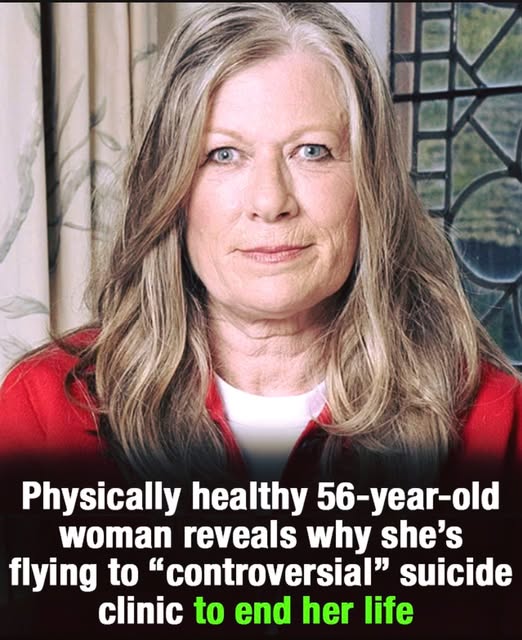
A 56-year-old woman from the United Kingdom has become the focus of widespread public discussion after confirming plans to travel to Switzerland for an assisted dying procedure.
Wendy Duffy, a former care worker from the West Midlands, has stated that her decision is not connected to a terminal physical illness, but instead stems from long-term psychological suffering following a deeply traumatic loss.
Her situation has prompted conversations across the country about grief, mental health care, and the ethical boundaries of assisted dying.
The Loss That Changed Everything
Duffy’s life took a devastating turn in 2019 when her son Marcus, aged 23, died following a sudden medical emergency at home.
According to her account, Marcus experienced a choking incident while asleep, leading to a critical lack of oxygen. Despite emergency response efforts and hospital treatment, he suffered severe brain injury.
After several days under medical care, life support was withdrawn, and he passed away in hospital.
The experience left a lasting impact on Duffy, who has spoken openly about witnessing her son’s condition during his final days.
Long-Term Impact of Grief
In the years that followed, Duffy described an ongoing struggle with emotional distress and an inability to return to normal daily life.
She has said that her grief did not lessen over time, instead remaining a constant and overwhelming presence.
Her account highlights the enduring nature of bereavement for some individuals, particularly after sudden and traumatic loss.
Despite efforts to rebuild her life, she has stated that she continued to feel emotionally overwhelmed and unable to move forward.
Attempts to Seek Help
Duffy has explained that she sought multiple forms of support within the UK healthcare system.
These included counselling services, psychological therapy, and prescribed antidepressant medication.
While these approaches provided some level of support, she has described her recovery as incomplete.
According to her statements, the emotional pain and sense of loss persisted despite ongoing treatment.
Her experience reflects the complexity of mental health care, particularly in cases involving prolonged grief.
Exploring Options Abroad
After years of struggling, Duffy began researching assisted dying services available outside the United Kingdom.
Her search led her to Switzerland, where certain organizations offer assisted dying under strict legal conditions.
One such organization is Pegasos Swiss Association, which operates within Swiss law and evaluates applications on a case-by-case basis.
These services are subject to detailed procedures and eligibility requirements, particularly in cases involving psychological suffering.
A Lengthy Application Process
Duffy’s application involved multiple stages and extended over several months.
She was required to submit medical records, provide a detailed psychological history, and participate in interviews and evaluations.
These steps are designed to assess decision-making capacity and ensure a clear understanding of the process.
According to reports, she maintained regular communication with the organization throughout the review period.
Her application was ultimately approved after meeting the clinic’s criteria.
Preparing for the Final Journey
In preparation for her planned trip, Duffy has made personal arrangements and informed close family members of her decision.
She has indicated that some siblings are aware of her plans, although details about timing have not been widely shared.
The process has involved careful consideration of both practical and emotional factors.
Her decision reflects a deeply personal perspective shaped by years of unresolved grief.
Legal and Ethical Considerations
In the United Kingdom, assisted dying remains illegal in most circumstances.
Individuals who choose to travel abroad for such procedures must navigate complex legal and ethical considerations.
Family members are often limited in how they can assist, as involvement may carry legal risks.
This legal framework has contributed to ongoing debates about end-of-life autonomy and mental health care.
Public Reaction and Debate
Duffy’s case has generated a wide range of responses.
Some individuals have expressed sympathy for her situation, acknowledging the profound impact of her loss.
Others have raised concerns about the ethical implications of assisted dying in cases not involving terminal illness.
The discussion reflects broader questions about how society addresses severe psychological suffering.
It also highlights differing perspectives on personal autonomy and medical responsibility.
Safeguards in Switzerland
Assisted dying in Switzerland is regulated under specific legal conditions.
Each case undergoes careful evaluation to ensure compliance with medical and ethical standards.
Applications are not automatically approved and require thorough review over time.
These safeguards are intended to ensure that decisions are informed, voluntary, and consistent.
Duffy’s case followed these procedures before receiving approval.
A Personal Perspective on Suffering
Duffy has described her emotional state as one of ongoing grief that has not diminished since her son’s death.
She has emphasized that her decision comes after exploring multiple avenues of support.
According to her account, she continues to feel unable to regain a sense of quality of life.
Her perspective reflects the deeply personal nature of grief and how it can shape long-term mental health.
The Broader Conversation
The case has contributed to ongoing discussions about bereavement support and mental health services.
It has also raised questions about how healthcare systems respond to individuals experiencing prolonged psychological distress.
For some, the situation underscores the need for expanded support systems for those coping with loss.
For others, it highlights the complexities of balancing compassion with ethical boundaries in medical decision-making.
A Complex Intersection of Issues
Duffy’s story sits at the intersection of grief, mental health, and legal frameworks surrounding assisted dying.
It illustrates how deeply personal experiences can become part of broader societal debates.
The case has drawn attention to the challenges faced by individuals who feel their suffering has no resolution.
It also reflects the ongoing evolution of discussions about autonomy and end-of-life choices.
An Ongoing and Sensitive Case
As the story continues to circulate, it remains a sensitive and complex issue.
Duffy has acknowledged the emotional impact her decision may have on those close to her.
At the same time, she has maintained that her choice is based on her lived experience and personal circumstances.
Her situation continues to prompt reflection on how societies address grief, support mental health, and navigate deeply personal decisions.
A Reflection on Loss and Support
Ultimately, the case highlights the profound and lasting impact of losing a loved one.
It serves as a reminder of the importance of accessible and effective mental health support.
It also raises questions about how individuals find meaning and quality of life after significant loss.
The conversation surrounding Duffy’s decision is likely to continue as perspectives on these issues evolve.