
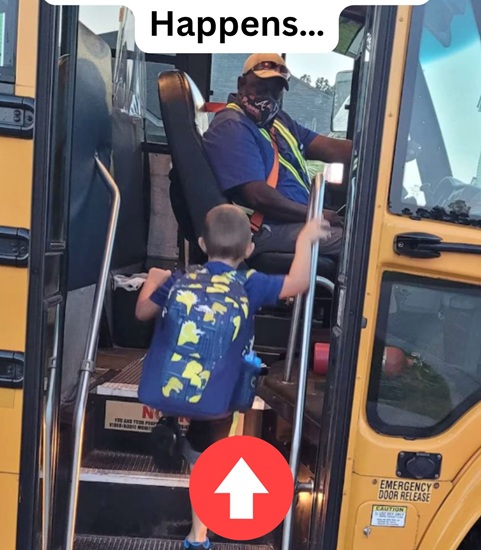
South Carolina Mother Highlights School Bus Driver’s Positive Impact on Young Student
A Meaningful Connection During a Key Transition
A mother in South Carolina has shared a touching account of how a school bus driver played an important role in her young son’s early school experience. The story centers on a simple yet meaningful connection that developed during a time of adjustment for a child beginning kindergarten.
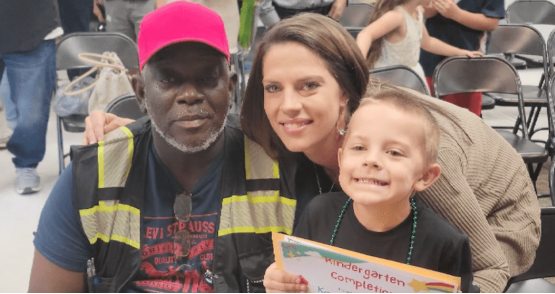
Kelly Isenberg, a resident of Summerville, described how her six-year-old son Kameron formed a bond with his bus driver that helped ease his transition into a new school environment.
The experience has drawn attention to the influence that everyday interactions can have on a child’s confidence and emotional well-being.
First Encounters on the First Day of School
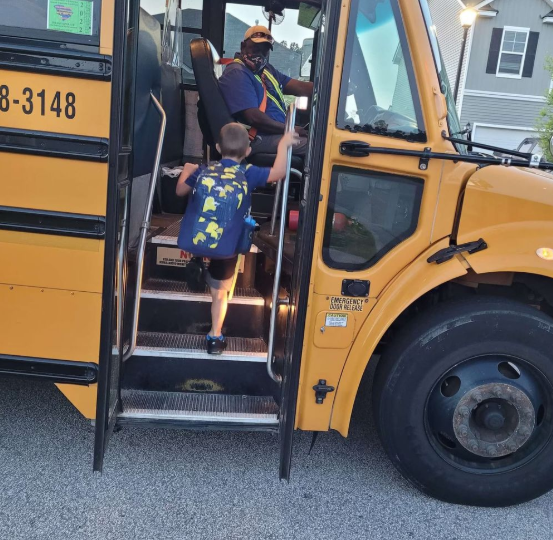
The connection began on Kameron’s very first day of kindergarten, a time often marked by new routines and unfamiliar surroundings. It was during this initial experience that he met Charles Frierson, the school bus driver assigned to his route.
From the outset, their interaction was described as warm and approachable. Kameron quickly felt comfortable enough to speak with Frierson during the bus ride, setting the foundation for a growing relationship.
These early moments proved significant as the child adjusted to the structure and expectations of school life.
Daily Conversations Build Trust
As the school year progressed, brief conversations during the bus ride became a regular part of Kameron’s routine. These exchanges, though simple, provided consistency and reassurance.
Over time, the child began to look forward to these interactions, which helped him feel more at ease both during his commute and once he arrived at school.
His teacher, Stephanie Williams, later observed that the bond developed naturally through these repeated daily encounters rather than through any planned effort.
Positive Changes in Confidence and Behavior
Kameron’s mother noted gradual but clear changes in her son’s behavior as the relationship continued. He became more comfortable engaging with classmates and participating in school activities.
She observed that his confidence grew steadily, and he appeared more relaxed in navigating his new environment.
These developments were seen as a reflection of the emotional support he experienced during his daily bus rides.
A Mother’s Expression of Gratitude
Recognizing the impact of this connection, Kelly Isenberg expressed her appreciation in a letter to the school district. She highlighted how meaningful the bus driver’s presence had been during her son’s transition into kindergarten.
Her message emphasized the importance of kindness and attentiveness in roles that may not always receive recognition.
The letter served as a way to acknowledge the difference that consistent, positive interaction had made in her child’s early school experience.
Acts of Kindness Beyond Routine Duties
According to the family, Frierson’s support extended beyond simple greetings. He engaged Kameron in friendly conversations and occasionally offered small gestures of kindness.
These included sharing snacks during breaks and providing encouragement related to school activities. While modest in nature, these actions helped build trust over time.
Such gestures contributed to creating a welcoming environment, reinforcing the sense of comfort Kameron felt during his daily commute.
Extending Support Beyond the Bus Route
The relationship did not remain limited to the bus ride alone. Frierson made efforts to stay involved in Kameron’s life outside of transportation duties.
The family noted that he attended youth activities, including baseball games, whenever possible. This additional involvement strengthened the connection between them.
These efforts transformed a routine role into something closer to a mentorship, providing the child with an additional source of encouragement.
A Broader View of the Bus Driver’s Role
Frierson, who has worked as a school bus driver in the district for several years, has described his role as extending beyond transportation. He views daily interactions with students as opportunities to positively influence their experience.
Even brief conversations can contribute to a child’s sense of belonging and confidence, particularly during the early stages of education.
This perspective highlights how roles within a school system can carry meaningful impact beyond their primary responsibilities.
Improved Engagement in the Classroom
Kameron’s teacher reported noticeable improvements in his classroom behavior as the year progressed. He became more engaged in lessons and more willing to participate in group activities.
She also observed that he appeared happier and more confident upon arriving at school, especially on days when he had interacted with Frierson during the bus ride.
These observations reinforced the idea that supportive relationships can influence a child’s overall school experience.
A Bond Built on Familiarity and Trust
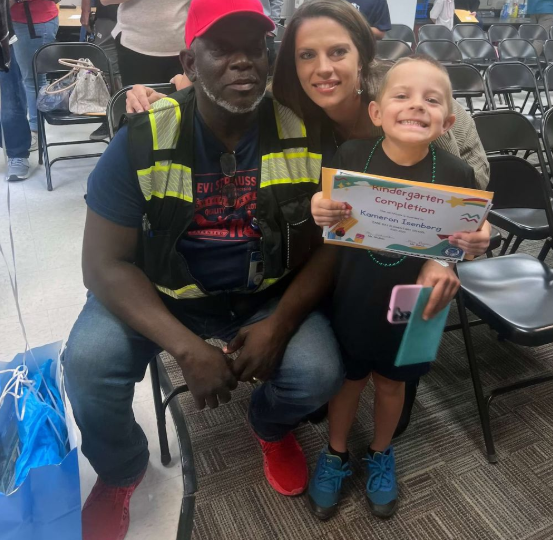
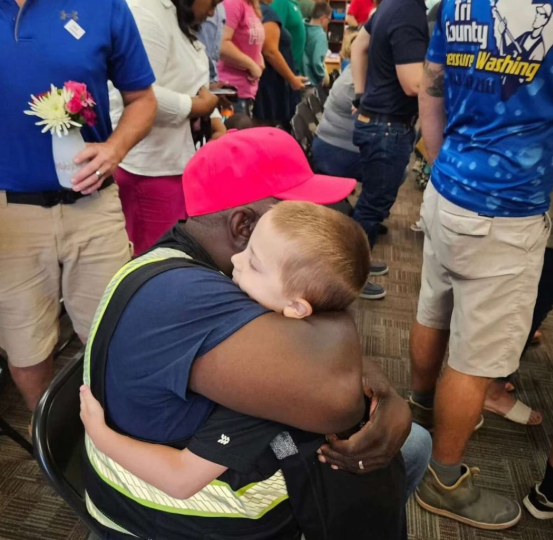
As their connection deepened, Kameron began referring to Frierson in an affectionate way, reflecting the comfort he felt. In return, Frierson described the child as “my little buddy.”
This mutual recognition highlighted the genuine nature of their relationship, built through consistent interaction and care.
Such trust can be particularly important for young children as they adapt to structured learning environments.
Lasting Impact Beyond the School Year
Even outside the regular school schedule, Kameron continued to express excitement about maintaining contact with Frierson. The family discussed simple plans such as meeting for ice cream or continuing their conversations when school resumed.
While informal, these plans demonstrate the lasting impression that positive interactions can leave on a child.
The relationship extended beyond routine, becoming a meaningful part of Kameron’s life.
The Importance of Supportive Relationships
Educators often emphasize the role of supportive relationships during early childhood education, especially during transitions like starting kindergarten.
This story illustrates how those relationships can develop in unexpected ways, including through interactions with school staff outside the classroom.
It highlights the broader network of individuals who contribute to a child’s educational environment.
Recognizing Contributions Across the School Community
While teachers play a central role in education, other staff members also shape students’ daily experiences. Bus drivers, cafeteria workers, and support personnel all contribute to the overall environment.
In Kameron’s case, the bus ride became more than a means of transportation. It evolved into a space of comfort, conversation, and reassurance.
This example underscores the importance of recognizing contributions from all members of a school community.
A Story That Resonates
The account shared by Kameron’s family has resonated with many due to its focus on kindness and human connection. It serves as a reminder that small, consistent gestures can have a meaningful impact.
For this young student, the presence of a supportive adult during a daily routine helped shape his early experience in a positive way.
The story reflects how simple actions can foster a sense of safety and belonging in a new environment.
Looking Ahead
As Kameron continues his education, his family hopes that the confidence he has gained will support his ongoing development. The positive foundation established during his early school years may influence his approach to future challenges.
The relationship with his bus driver stands as an example of how community members can play a role in a child’s growth.
Through patience, attention, and kindness, an everyday interaction became a meaningful part of one child’s journey.