
Gold Dancer’s Death and the Growing Debate Over Risk in Competitive Horse Racing
A Fatal Moment That Sparked Wider Reflection
Gold Dancer’s death has come to represent far more than a single tragic incident. It has been widely viewed as a moment that reflects deeper concerns about the structure and nature of a sport that continues to divide public opinion. For some, the event remains tied to long-standing traditions, competitive spirit, and the spectacle that has defined horse racing for generations. For others, it has become another example of preventable harm occurring in the pursuit of entertainment.
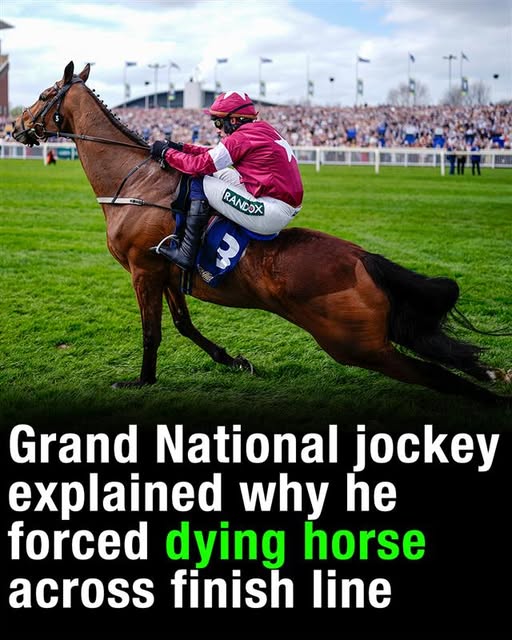
The image associated with the incident is difficult for many observers to ignore. A horse pushing through the final stretch, struggling physically, dragging his hind legs before collapsing shortly after crossing the finish line, has been described as a moment that forces difficult reflection. The fact that this occurred immediately after what was considered a victorious finish intensifies the emotional weight of the event.
In the aftermath, attention has focused not only on what happened in that final moment but also on what it represents within a broader system of competitive racing where high stakes and public spectacle intersect.
Tradition Versus Ethical Concern
Horse racing has long been presented as a blend of athletic competition, tradition, and entertainment. Supporters of the sport often emphasize its cultural significance and the long history of human and horse partnership in competitive environments. From this perspective, races are seen as structured events where training, discipline, and endurance come together to create moments of achievement and excitement.
However, Gold Dancer’s death has intensified long-standing criticism that challenges this interpretation. Critics describe the sport as one where physical limits are frequently pushed in pursuit of performance outcomes that satisfy audiences and commercial interests. In this view, the excitement experienced by spectators is inseparable from the physical risks placed on the animals involved.
The contrast between these perspectives has become more visible in the wake of incidents like this one. What some interpret as a display of endurance and competition, others interpret as a system that places animals in situations where failure can result in severe physical consequences. The divide continues to deepen as more attention is drawn to the visible outcomes of high-intensity races.
The Physical Demands and Visible Consequences
The description of Gold Dancer dragging his hind legs before collapsing highlights the physical strain that can occur during high-level racing events. Such moments are often cited as evidence of the extreme demands placed on participating animals, particularly in competitive environments where speed and endurance are pushed to their limits.
In this context, concern centers on whether the structure of the sport allows sufficient safeguards to prevent such outcomes or whether the nature of competition inherently carries these risks. The visible collapse after crossing the finish line has become a powerful symbol for those questioning the balance between entertainment value and physical well-being.
Each incident of this nature adds emotional weight to an already sensitive debate. The fact that the collapse followed what appeared to be a completed performance has led many observers to reflect on how success and suffering can occur in such close proximity within the same moment.
The focus is not only on the individual event but also on the broader pattern that it is seen to represent. Repeated occurrences of severe injury or fatal outcomes in racing environments contribute to a growing sense of concern among those who question whether current practices adequately protect the animals involved.
Public Reaction and Growing Discontent
Following Gold Dancer’s death, public response has been divided but emotionally charged. Supporters of horse racing continue to frame the sport as a tradition that combines skill, training, and the natural athletic abilities of horses. They view such incidents as deeply unfortunate but not representative of the entire industry.
On the other hand, critics see the event as part of a larger pattern that cannot be dismissed as isolated or accidental. The description of shattered limits, lethal falls, and animals pushed beyond safe thresholds reflects a broader concern about systemic risks embedded within the structure of competitive racing.
This divide has led to increasing calls for reassessment of how such events are organized and regulated. Some voices within the public discussion have begun to question whether the entertainment value of these events can ethically justify the level of physical risk involved.
The emotional impact of witnessing a visibly injured animal immediately after a performance has amplified these concerns. For many, the combination of victory and collapse within the same moment creates a contradiction that is difficult to reconcile.
The Role of Industry Structure and External Pressures
Horse racing exists within a broader framework that includes spectatorship, media coverage, and financial incentives tied to performance outcomes. Within this structure, competition is not only a test of athletic ability but also a form of entertainment designed to engage audiences.
Critics of the sport suggest that these external pressures may contribute to situations where risk is increased in pursuit of competitive success. The emphasis on speed and winning can create conditions where physical limits are tested repeatedly, increasing the likelihood of injury or collapse.
Supporters of the sport, however, often emphasize the care, training, and preparation that horses receive, arguing that participants in racing environments are managed by professionals who understand the animals’ capabilities. From this perspective, the sport is not defined by isolated incidents but by a broader system of structured care and controlled competition.
The tension between these perspectives continues to shape public discussion, particularly in the aftermath of high-profile incidents such as Gold Dancer’s death. Each side interprets the same event through fundamentally different assumptions about responsibility, risk, and tradition.
Calls for Change and Ongoing Debate
In response to the incident, calls for boycotts and reform have gained increased attention. These calls are rooted in the belief that repeated tragedies indicate deeper structural issues rather than isolated misfortunes. The accumulation of similar events over time has contributed to growing discomfort among segments of the public.
At the same time, defenders of the sport continue to emphasize its long-standing cultural presence and the complexity of regulating competitive environments involving live animals. They argue that improvements in safety standards and oversight have already been implemented in many areas, though opinions differ on whether these measures are sufficient.
The debate is further complicated by the emotional nature of the subject. The visible suffering of an animal in a high-profile setting creates a powerful response that often extends beyond rational analysis into moral and ethical consideration. This emotional dimension plays a significant role in shaping public perception and ongoing discussion.
Whether these calls for change will lead to lasting transformation or remain part of a recurring cycle of controversy is uncertain. What remains clear is that incidents like this continue to influence how the sport is viewed and discussed in public spaces.
A Symbol of a Larger Ethical Question
Gold Dancer’s death has taken on symbolic meaning beyond the immediate circumstances of the event. It has become a focal point for broader questions about the relationship between entertainment and animal welfare, and about the boundaries of acceptable risk in competitive sports involving animals.
The central question raised by the incident is not limited to one race or one outcome, but extends to the structure of the sport itself. It asks how much physical strain and potential suffering can be justified in the name of competition and public enjoyment.
This question does not produce a simple answer. It exists within a complex intersection of tradition, emotion, economics, and ethics. For some, the sport remains an important cultural institution. For others, incidents like this mark a turning point in how such traditions are evaluated and understood.
Ongoing Reflection and Unresolved Tension
As public discussion continues, Gold Dancer’s final moments remain at the center of a larger conversation that shows no sign of resolution. The emotional weight of the event continues to shape how people interpret similar occurrences in the future, influencing perceptions of risk and responsibility.
The contrast between celebration and collapse, between victory and loss, remains a defining image in this ongoing debate. It highlights the fragile boundary between performance and consequence in a sport where outcomes can shift in an instant.
For many observers, the incident serves as a reminder that behind the spectacle of competition lies a reality shaped by physical limits and unpredictable outcomes. For others, it reinforces the importance of improving safety while preserving tradition.
What remains constant is the tension between these perspectives. As long as horse racing continues to exist in its current form, questions about ethics, risk, and responsibility are likely to persist. Gold Dancer’s death has not resolved these questions, but it has intensified them, ensuring that they remain part of the ongoing public conversation.