
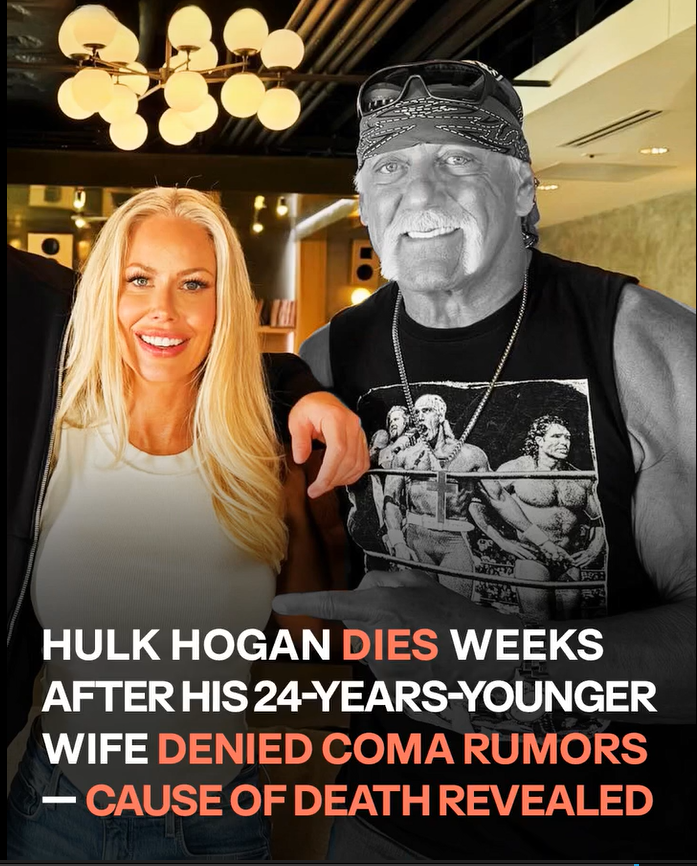
Hulk Hogan, Wrestling Icon, Passes Away at 71
A Legend Remembered
The world of professional wrestling and fans across the globe are mourning the loss of Hulk Hogan, a towering figure whose charisma and athleticism transformed sports entertainment. Hogan passed away at the age of 71, leaving an irreplaceable void in the industry he helped define.
On July 24, 2025, Hogan suffered cardiac arrest at his home in Clearwater, Florida, ending a life marked by triumphs, personal struggles, and an unmatched ability to bring professional wrestling into mainstream culture. Emergency responders arrived swiftly and transported him to a nearby hospital, but his passing was sudden, highlighting the unpredictability of health even for celebrated athletes.
Enduring Through Challenges
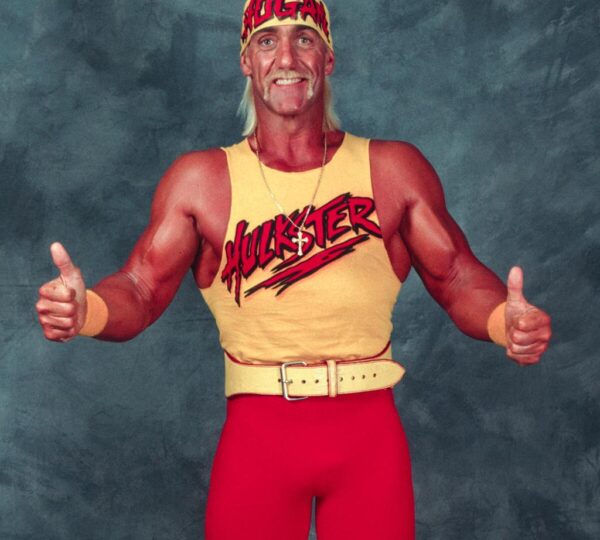
Over the decades, Hogan underwent more than 25 major surgeries to address injuries to his back, knees, hips, shoulders, and neck. His perseverance through these physical challenges became as legendary as his wrestling persona, demonstrating extraordinary resilience.
Concerns about Hogan’s health had resurfaced in recent months after a Florida radio host speculated that his family was preparing for the worst. Although representatives dismissed the reports, the public remained deeply concerned. Hogan’s wife, Sky Daily Hogan, reassured fans that he remained active, emphasizing his dedication to family, philanthropy, and wrestling appearances, reinforcing his image as both resilient and accessible.
From Augusta to the World Stage
Born Terry Eugene Bollea on August 11, 1953, in Augusta, Georgia, Hogan showed early athletic promise that propelled him toward wrestling stardom. His charisma and discipline were apparent from a young age, setting the stage for a remarkable career.
Hogan’s professional debut in the late 1970s quickly showcased his magnetic presence. With his towering frame, signature handlebar mustache, and dynamic persona, he captured the attention of fans and promoters alike, laying the foundation for decades of influence.
The Rise of Hulkamania
By the 1980s, Hogan had become synonymous with “Hulkamania,” a phenomenon that extended beyond the wrestling ring into television, advertising, and popular culture. Catchphrases became chants, and merchandise turned into iconic symbols of entertainment, cementing Hogan as a household name.
Hogan revolutionized WWE programming, transforming it into family-friendly spectacles and elevating wrestling’s global popularity. Television ratings surged as fans of all ages embraced Hulkamania. Signature moves, including the leg drop, combined with his dramatic entrances, defined wrestling culture for generations.
Entertainment Beyond Wrestling
Outside the ring, Hogan expanded into movies, reality television, and endorsements, bridging professional wrestling with mainstream entertainment. Appearances in films such as Rocky III and various television projects broadened his audience, proving his versatility and cultural relevance.
Despite commercial success, Hogan faced legal and personal challenges. Lawsuits, controversies, and public scrutiny tested his resilience, yet he repeatedly returned to the spotlight, maintaining relevance through charisma and reinvention.
Global Influence
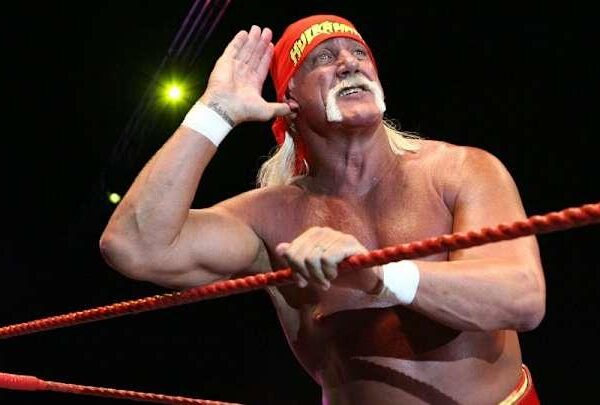
Hogan’s impact was felt worldwide. Tours and matches across Europe, Japan, and Latin America built a devoted international fanbase. His persona resonated globally, establishing him as one of the first true international superstars of professional wrestling.
Throughout the 1990s, Hogan remained a central figure in WWE, headlining numerous WrestleMania events. These appearances drew massive crowds and pay-per-view audiences, solidifying his status as the face of professional wrestling for nearly two decades.
In-Ring Storytelling
Hogan’s matches were renowned for their theatrical storytelling. Victories, rivalries, and betrayals were portrayed with precision, allowing fans to emotionally connect with the narratives. His ability to create such bonds transformed wrestling into a communal experience.
Rivalries with Andre the Giant, Randy Savage, and The Ultimate Warrior became defining moments of sports entertainment, blending athleticism with drama and leaving a lasting cultural legacy.
Philanthropy and Mentorship
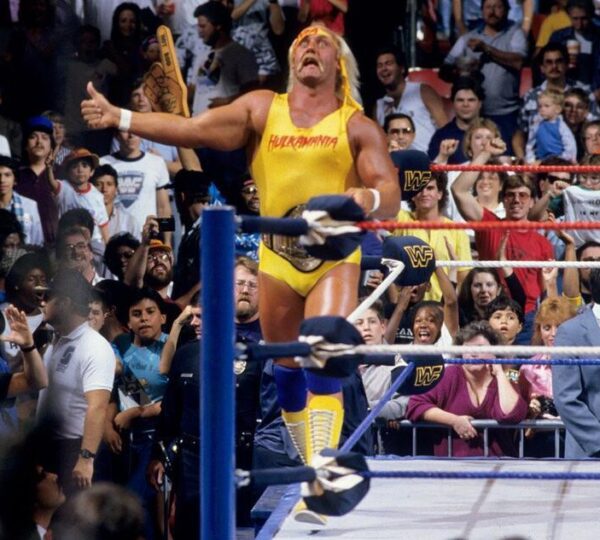
Beyond his wrestling contributions, Hogan supported children’s hospitals, charitable organizations, and community outreach. His public persona inspired hope and demonstrated that wrestlers could positively influence society.
Hogan also mentored younger wrestlers, passing on lessons in performance, showmanship, and professionalism. Many contemporary stars credit him with shaping their careers and influencing their approach to the sport.
Television and Public Life
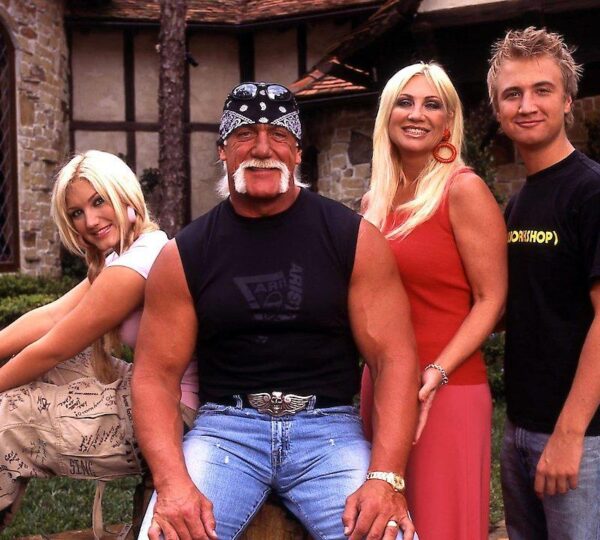
Hogan appeared on talk shows, reality series, and WWE specials, bringing his charisma to millions of households. His family life, shared publicly, further humanized the wrestling icon and offered fans a personal connection beyond the ring.
Despite fame, Hogan’s resilience in the face of adversity—injuries, health challenges, and public scrutiny—remained a defining aspect of his life and career, inspiring fans worldwide.
Legacy and Mourning
Hogan’s death marks the end of an era. Tributes poured in on social media as wrestlers, colleagues, and fans reflected on his mentorship, influence, and enduring legacy. Videos, photos, and heartfelt messages highlighted his contributions both inside and outside the wrestling world.
The sudden nature of his passing emphasizes life’s fragility, even for those who appear invincible. Hogan’s numerous surgeries and health battles underscored the toll professional wrestling takes on its performers over decades.
A Cultural Icon
WWE honored Hogan as a “trailblazer” and “hero,” highlighting his role in expanding wrestling’s reach and his unwavering dedication to fans. Fellow wrestlers and industry figures praised his charisma, professionalism, and generosity, leaving an enduring mark on future generations.
Hogan’s entertainment ventures extended into music, acting, and reality television, showcasing his adaptability and ability to remain culturally relevant while retaining his iconic persona.
Personal and Professional Impact
Fans shared stories of inspiration, recounting how Hogan’s matches provided courage, joy, and a sense of community. His ability to unify audiences through shared enthusiasm created a lasting emotional legacy.
His life exemplified resilience. Hogan overcame injuries, surgeries, and public challenges, turning hardships into motivation and inspiration for both fans and colleagues. His influence on pop culture, from television to advertising, cemented Hulkamania as a cultural phenomenon.
Global and Family Reflections
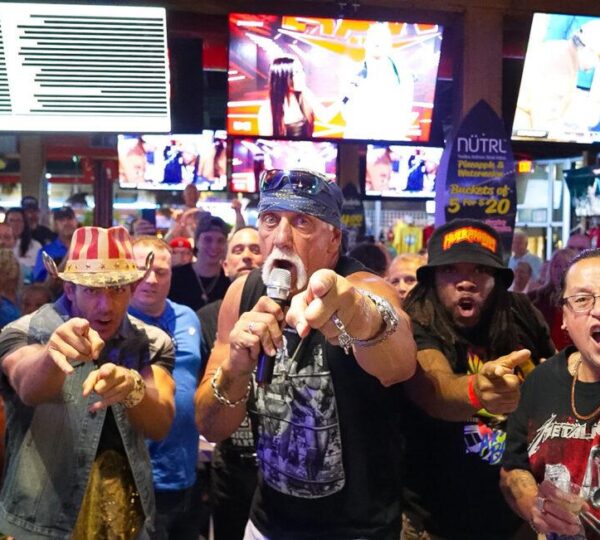
The emotional impact of Hogan’s passing extends worldwide. Fans across multiple countries expressed grief, shared memories, and celebrated his contributions, demonstrating his universal appeal. His family issued statements honoring his life, emphasizing love, gratitude, and pride, humanizing the legend behind the persona.
Enduring Legacy
Hulk Hogan’s passing represents the loss of a transformative figure in professional wrestling and popular culture. His charisma, resilience, and influence shaped generations, leaving a legacy that will endure in both sport and society.
Hogan’s life showed that larger-than-life personalities are forged through dedication, courage, and connection with audiences. He united fans, inspired performers, and elevated wrestling into a cultural phenomenon.
Though the ring has lost a warrior, fans have lost a brother. Hogan’s energy, presence, and legacy remain immortal, celebrated in memories, media, and the hearts of those who admired him. Hulkamania will live forever, with his story serving as a blueprint for excellence, resilience, and the unifying power of sports entertainment.